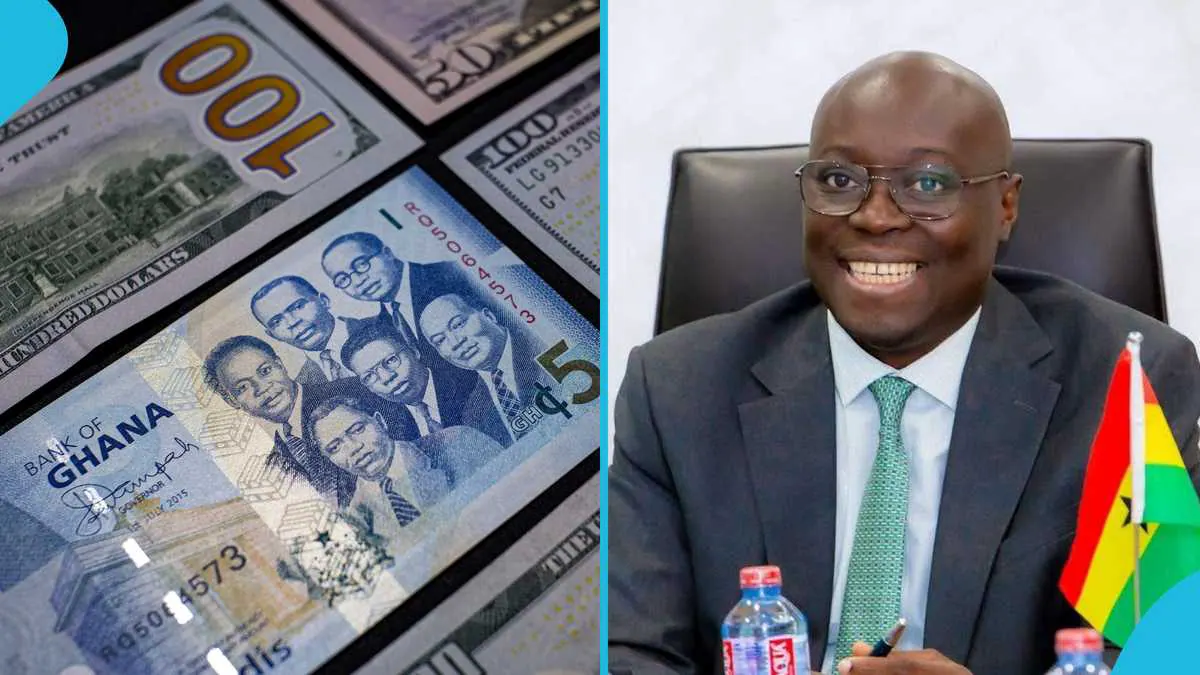
The Ghana cedi has experienced a significant decline in value against the US dollar in 2026. According to data from the Bank of Ghana, the cedi has depreciated by 9.5% against the dollar, trading at approximately GH¢11.55 to the dollar in September 2026. This represents a notable reversal of the currency's performance in 2025, when it posted strong gains. At the start of 2025, the cedi stood at GH¢15.30 to the dollar.
The cedi's decline is not limited to its value against the US dollar. The currency has also weakened against other major currencies, including the British pound and the euro. Year-to-date depreciations of 9.0% and 7.3% have been recorded against the pound and euro, respectively. This reflects broad-based pressure on Ghana's currency in 2026. The slide accelerated after a brief period of relative calm in August.
The World Bank has identified key factors contributing to the cedi's weakness. Heightened foreign-exchange demand from Ghana's energy sector and dividend repatriations by some private companies have been cited as contributing factors. These demand-side pressures have continued despite strong export earnings and improved external balances. This suggests that a robust supply of foreign exchange has not been sufficient to offset demand.
The Bank of Ghana has framed recent exchange-rate movements within a flexible, market-determined regime. In September, the central bank introduced a new Foreign Exchange Operations Framework to make its intervention principles more transparent. The framework aims to keep the bank's inflation-targeting mandate intact. Despite the currency's renewed weakness, broader macroeconomic indicators in Ghana point towards gradual stabilisation.
The cedi's depreciation has significant implications for Ghana's economy. The currency's decline can lead to increased inflation, as imports become more expensive. This can have a ripple effect on the overall economy, impacting businesses and consumers alike. Policymakers will need to carefully manage competing pressures in the foreign-exchange market to mitigate the effects of the cedi's decline.
The Bank of Ghana's new Foreign Exchange Operations Framework aims to provide more transparency and stability to the foreign-exchange market. The framework outlines the bank's intervention principles and provides guidance on its role in the market. This move is expected to help build confidence in the cedi and reduce volatility in the foreign-exchange market.
Despite the challenges facing the cedi, Ghana's macroeconomic indicators suggest a gradual stabilisation of the economy. The country's strong export earnings and improved external balances provide a positive outlook. However, policymakers will need to remain vigilant and address the underlying factors contributing to the cedi's weakness to ensure long-term stability.
Key points
- The cedi has depreciated by 9.5% against the US dollar in the first nine months of 2026.
- The World Bank has cited foreign-exchange demand from the energy sector and corporate dividend payments as key pressure points.
- The Bank of Ghana has introduced a new Foreign Exchange Operations Framework to make its intervention principles more transparent.