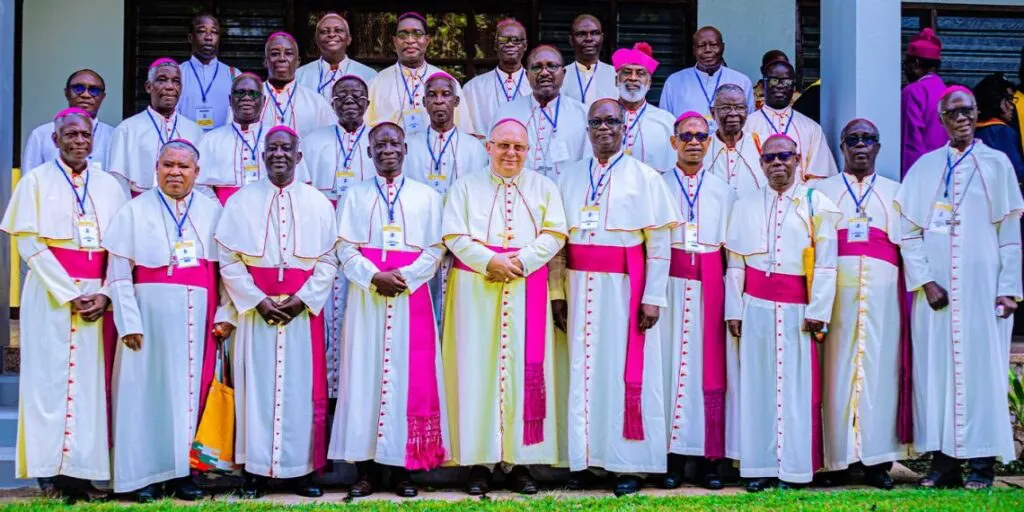
The Ghana Catholic Bishops' Conference has expressed deep concern over the recent seizure of nearly 3.9 tonnes of cocaine in France, allegedly hidden in a container of plastic waste exported from Ghana. The Bishops describe the trafficking and abuse of illicit drugs as a serious national concern and a profound moral crisis. This issue demands urgent, coordinated national action to address the problem. The Conference emphasized the need for stronger surveillance and accountability at the country's ports, airports, and borders.
The Bishops' statement highlights the scale and method of the seizure, which exposed weaknesses in the current system. They are calling for thorough investigations to establish how such a large consignment could pass through legitimate commercial export channels without detection. The Conference also raised concerns over the alleged involvement of people in positions of trust, including public officials and members of the Church.
The Ghana Catholic Bishops' Conference argued that any credible response must target those who abuse public trust to enable the movement of illicit substances. They warned against a pattern in which couriers face prosecution while the financiers and principal traffickers behind the networks escape scrutiny. The Bishops framed the Dunkirk seizure as part of a wider, recurring national problem, pointing to other narcotics interceptions linked to Ghana in recent years.
This incident is part of a series of Ghana-connected cocaine busts in various countries, including the Netherlands, Paris, and South Africa. These events have fueled public debate at home, including calls for the Narcotics Control Commission (NACOC) to be restored as a Port Inspection Agency. The Bishops' statement adds a religious and moral dimension to a debate that has already involved politicians, academics, and civil society figures.
The controversy has sparked discussions among stakeholders, with some arguing that NACOC is too thin on the ground to effectively police trafficking routes. Others have expressed concerns that repeated cocaine busts tied to Ghanaian exports risk damaging the country's trade reputation and inviting tighter, costlier scrutiny of legitimate Ghanaian goods at foreign ports.
Despite criticisms, the Conference commended NACOC and other state agencies for their work combating the drug trade and urged them to continue cooperating with French authorities to trace the full extent of the trafficking network behind the Dunkirk seizure. The Bishops also welcomed President Mahama's formation of an inter-agency task force charged with tackling the movement of narcotics through Ghana's ports, airports, and borders.
The inter-agency task force is expected to play a crucial role in addressing the issue, but it remains unclear when Ghanaians can expect concrete findings on how the consignment evaded detection. The incident has significant implications for Ghana's international trade and reputation, emphasizing the need for effective solutions to prevent similar incidents in the future.
Key points
- The Ghana Catholic Bishops' Conference calls for urgent action against drug trafficking
- The 3.9-tonne cocaine seizure in France was allegedly hidden in Ghanaian plastic waste
- The incident has sparked debate over the effectiveness of NACOC in policing trafficking routes