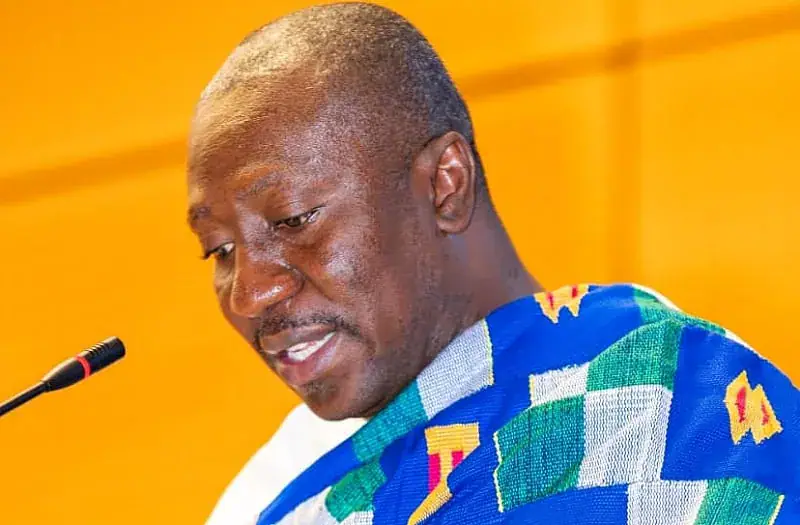
Osahen Alexander Afenyo-Markin, the Minority Leader in Ghana's Parliament, has called on African countries to move beyond identifying financial irregularities and ensure effective enforcement of audit recommendations. He made this statement at the Sixth Conference and General Meeting of the African Organisation of Public Accounts Committees (AFROPAC) in Accra on Monday, November 2, 2026. The conference, attended by Public Accounts Committee members, parliamentary officials, auditors, and governance experts from across Africa, focuses on "Oversight for Resilience: Strengthening Public Accounts Committees for Accountability in a Changing Financial Landscape."
According to Afenyo-Markin, public financial accountability cannot be measured solely by the number of audit reports produced, officials questioned, or hearings conducted. Instead, it is measured by corrective actions taken, recovery of public funds, and sanctions imposed where wrongdoing has been established. He emphasized that the continent cannot continue to "audit the same failures year after year without holding anyone accountable." This call to action highlights the need for African countries to prioritize enforcement of audit findings.
The Minority Leader noted that weak financial accountability has real-life consequences for citizens, including inadequate healthcare facilities, poor educational infrastructure, unfinished roads, and limited access to essential public services. He also observed that citizens are becoming increasingly informed and demanding greater transparency in the management of public resources. As a result, institutions tasked with safeguarding state resources and ensuring value for money face greater responsibility.
Afenyo-Markin identified the implementation of audit recommendations as one of the most significant challenges confronting public financial management systems across the continent. He proposed five structural reforms to strengthen Public Accounts Committees across Africa, including the institutionalization of real-time and concurrent oversight mechanisms, enhancing forensic and digital auditing capabilities, and statutory tracking and enforcement of audit recommendations.
The Minority Leader also called for increased collaboration among African legislatures through AFROPAC to share best practices and develop common approaches to addressing public financial management challenges. He noted that while constitutional arrangements differ across countries, many accountability challenges confronting African parliaments are similar. This cooperation can help strengthen parliamentary oversight and protection of public resources.
Afenyo-Markin stressed that financial accountability should not depend on whether a political party is in government or opposition. He urged both majority and minority lawmakers to approach oversight responsibilities with fairness, diligence, and fidelity to evidence. The Minority Leader concluded by urging delegates to renew their commitment to strong parliamentary oversight and effective protection of public resources.
The strength of African parliaments, Afenyo-Markin said, will not be measured by the number of bills they pass, but by the vigilance with which they guard the public purse. The conference provides a platform for delegates to share experiences and expertise in promoting public financial accountability and strengthening oversight institutions. The event is expected to yield practical recommendations for enhancing accountability and transparency in the management of public resources across Africa.
Key points
- The Minority Leader calls for stronger enforcement of audit findings to strengthen public accountability.
- Weak financial accountability has real-life consequences for citizens, including inadequate public services.
- The implementation of audit recommendations is a significant challenge confronting public financial management systems across Africa.