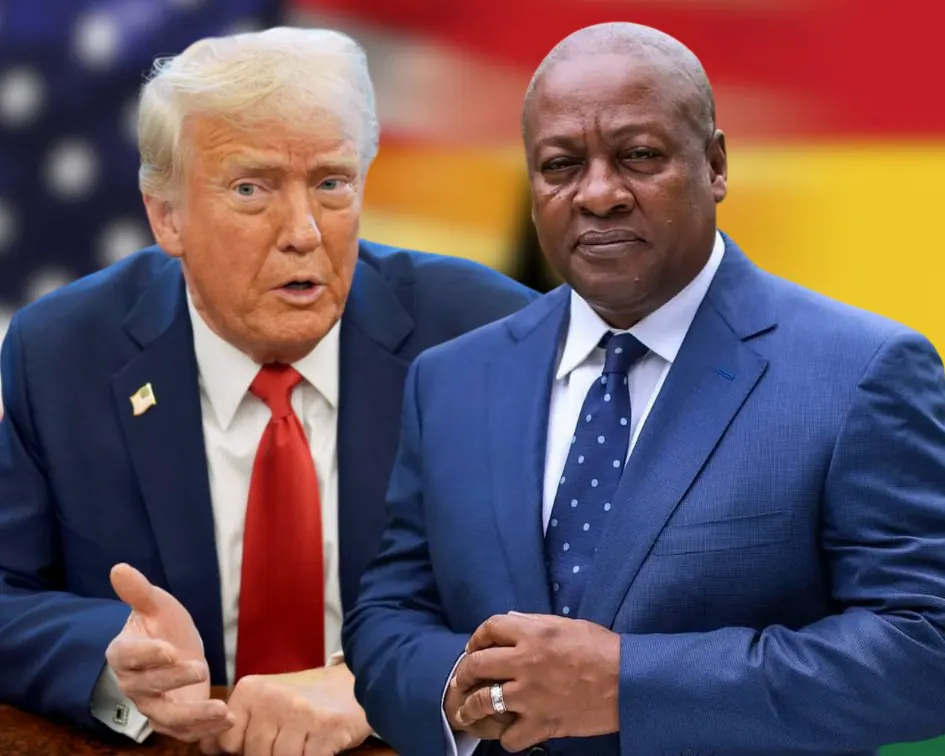
Ghana's inflation rate has decreased to around 5%, a figure that would typically be a cause for celebration. However, the reality on the ground tells a different story. Citizens are facing rising electricity bills, increasing transport fares, and rents that consume a significant portion of their salaries. This disconnect between official statistics and everyday experiences is not unique to Ghana, as a similar phenomenon is observed in the US, where 82% of Americans disapprove of President Donald Trump's handling of the cost of living despite a relatively modest 3.4% inflation rate.
The frustration with the high cost of living in Ghana has spilled over onto social media, with many citizens expressing their concerns. Author Chris-Vincent Agyapong recently complained about the high cost of doing business in Ghana, citing the example of printing a book that costs 7 cedis in China but 23 cedis in Ghana. Supermarket shopper Mohammed Hassan Albezem posted a video lamenting that a till receipt is getting closer to his salary, while content creator Ama Morton's video on Accra's punishing rent demands reignited debate about the capital's housing squeeze.
The pain is also felt in the physical marketplace, where traders are struggling to make ends meet. At Makola Market, traders reported that tomatoes and pepper are rotting unsold because customers have spent all their money on electricity and water bills. A vegetable seller at Kaneshie Market described buying produce at high prices only to find no buyers once a small profit margin is added, leaving goods to spoil. A trader who brings plantain from the Eastern Region said transportation costs and rent have risen so much that people are simply buying less than before.
The disconnect between the headline inflation figure and the market price stems from how inflation is measured versus how households experience costs. Inflation is typically calculated as the average year-on-year change in prices across a broad basket of goods and services. A national average can fall even while specific, highly visible costs – electricity tariffs, fuel, transport fares, rent – rise faster than other items in the basket, or faster than wages. For a market trader or a commuter, what matters is not the average across hundreds of products but the handful of bills that dominate their weekly budget.
The Mahama administration has already taken steps to address rising fuel costs directly. President Mahama ordered a cut of GH¢2.00 per litre in the regulatory margin on diesel for one month, effective from 4 August 2026, aimed at easing cost-of-living pressure on transport and businesses that depend on diesel. However, it is unclear whether this measure has been extended or if similar relief measures are planned for electricity tariffs, rent, or food prices – the three areas drawing the loudest public complaints.
The gap between the official inflation rate and lived experience is not an academic debate for ordinary households. It shapes whether a family can afford light bills, school fares, and daily meals. Traders interviewed say the squeeze is already changing consumer behaviour: shoppers are buying less, perishable goods are rotting unsold, and small businesses that depend on daily turnover are absorbing losses. If a falling inflation rate does not translate into lower prices at the till or lighter utility bills, it risks becoming a statistic for economists rather than a measure citizens recognise in their own pockets.
The way forward is unclear, with no official government timeline cited for closing the gap between the headline inflation figure and the lived experience of citizens. The one concrete, dated measure on record – the GH¢2.00 cut to the diesel regulatory margin – was explicitly framed as a one-month measure from 4 August 2026, and it is not stated whether it has been renewed. Whether Ghana's low headline inflation figure will be matched by falling prices that households actually notice remains an open question.
Key points
- The inflation rate in Ghana has dropped to 5%, but citizens are still feeling the pinch of rising costs.
- The disconnect between official statistics and everyday experiences is not unique to Ghana, as a similar phenomenon is observed in the US.
- The gap between the official inflation rate and lived experience has significant implications for ordinary households, shaping their ability to afford basic necessities.