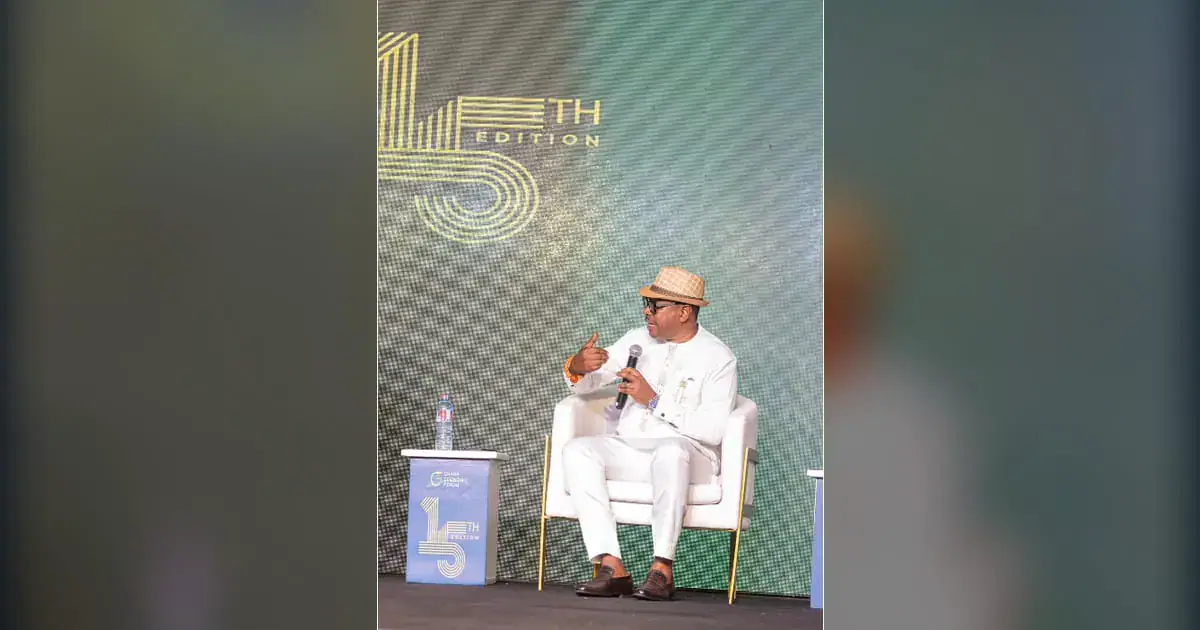
The Ghanaian government's 24-Hour Economy programme is designed to drive industrial expansion, increase exports, and create jobs by leveraging private sector investment and technology. The initiative seeks to accelerate the country's industrialisation and strengthen its manufacturing base. By mobilising private sector investment, the government aims to boost industrial production and make Ghana a more competitive player in the global market.
As part of the programme, the government will deploy technology across productive sectors to enhance efficiency and productivity. This move is expected to help Ghanaian industries become more competitive and attractive to investors. The programme's focus on technology and private investment is seen as a key strategy for driving economic growth and development in the country.
The 24-Hour Economy programme is also expected to create new job opportunities in various sectors, particularly in industries that will benefit from the increased investment and technological advancements. The government's goal is to create a more dynamic and vibrant economy that can sustainably support the needs of Ghana's growing population.
In a related development, the Minister of Finance, Dr. Cassiel Ato Forson, has announced plans to incentivise businesses under the 24-hour economy policy. The government will defer import duties, levies, and VAT on qualifying machinery and inputs for one year, and exempt solar panels and batteries from import duty and VAT. This move aims to encourage businesses to invest in the economy and support the programme's objectives.
The government's efforts to drive economic growth and development are also reflected in its plans to introduce a redesigned series of Ghana cedi banknotes into circulation from December 1, 2026. The new banknotes will incorporate enhanced security features, improved durability, and smaller sizes, as the central bank seeks to modernise currency management and strengthen public confidence in the national currency.
Ghana is also taking on a continental leadership role in Africa's digital development, following the appointment of Minister for Communication, Digital Technology and Innovations, Samuel Nartey George, as Chair of the African Union Specialised Technical Committee on Communication and Information and Communication Technology. This appointment reflects the country's growing influence in regional and international affairs.
Meanwhile, educationists and industry leaders have called for reforms to Ghana's education system to improve learning outcomes, strengthen practical skills development, and better align academic training with the needs of the economy. The government's 24-Hour Economy programme is seen as an opportunity to address these challenges and create a more skilled and productive workforce.
Key points
- The programme aims to drive industrial expansion, increase exports, and create jobs through private investment and technology.
- The government will defer import duties, levies, and VAT on qualifying machinery and inputs for one year to incentivise businesses.
- Ghana is taking on a leadership role in Africa's digital development through Minister Samuel Nartey George's appointment to the African Union committee.
Reporting sources
- News | November 13, 2026 24-Hour Economy targets industrial expansion, exports through private investment · Business and Financial Times