Ghana's economic journey has entered a defining phase with the presentation of the 2027 Budget Statement and Economic Policy. The budget, presented by Finance Minister Dr. Cassiel Ato Forson on November 12, 2026, signals a shift in the government's economic priorities from stabilization and fiscal consolidation towards investment, industrial expansion, and job creation. The budget proposes total expenditure of GH¢389.2 billion and revenue and grants of GH¢323.4 billion for 2027.
The National Democratic Congress (NDC) administration can point to measurable improvements in several macroeconomic indicators. Inflation declined from 23.8 percent in December 2024 to 5.4 percent by the end of 2025, while public debt fell to 44.7 percent of GDP. Real GDP growth reached 6.2 percent in the first half of 2026, exceeding the government's 4.8 percent annual target. Non-oil GDP growth stood at 5.9 percent, while inflation was recorded at 5.5 percent in October 2026.
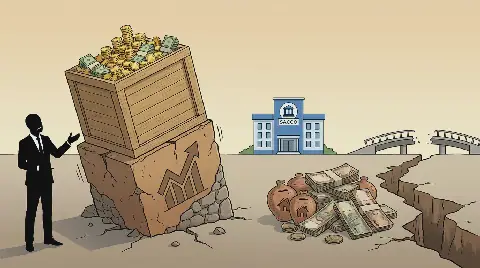
The NDC inherited a severe economic crisis in January 2025, characterized by high inflation, unsustainable debt, and low international reserves. The previous New Patriotic Party (NPP) administration's economic record was severely challenged by financial difficulties that culminated in Ghana's debt crisis and subsequent engagement with the International Monetary Fund. By the end of 2022, inflation had reached 54.1 percent, and international reserves had fallen to less than three weeks of import cover.
The 2027 Budget's central theme, "The New Economy, New Ghana, Jobs and Prosperity," aims to address some of Ghana's longstanding economic weaknesses. The proposed GH¢30 billion allocation to the New Economy programme represents an ambitious attempt to promote commercial agriculture, industrialization, affordable financing, energy, mineral value addition, and other sectors. The government also plans to invest US$10 billion between 2027 and 2030 to create jobs, expand domestic production, and increase exports.
The budget's success will depend on transparency, value for money, effective project execution, and the government's ability to ensure that public investments produce measurable economic returns. Ghanaians have witnessed several ambitious economic programs in the past, and the NDC government must demonstrate that its initiatives will yield tangible benefits for citizens. The administration's intention to continue investing in road infrastructure and strategic transport corridors is also noteworthy.
One of the key challenges facing the NDC government is translating economic recovery into better living conditions, employment opportunities, and increased productive capacity. While macroeconomic indicators have improved, the ultimate measure of successful economic management is the extent to which citizens experience improvements in their daily lives. The government must prioritize initiatives that directly benefit ordinary Ghanaians and promote sustainable economic growth.
As Ghana moves forward, the NDC government's economic performance will be closely watched by citizens, investors, and international organizations. The 2027 Budget's proposals and initiatives will be crucial in determining the country's economic trajectory. With careful planning, effective execution, and a focus on transparency and accountability, Ghana can achieve sustainable economic growth and improve the living standards of its citizens.
Key points
- The 2027 Budget proposes a shift in the government's economic priorities from stabilization and fiscal consolidation towards investment, industrial expansion, and job creation.