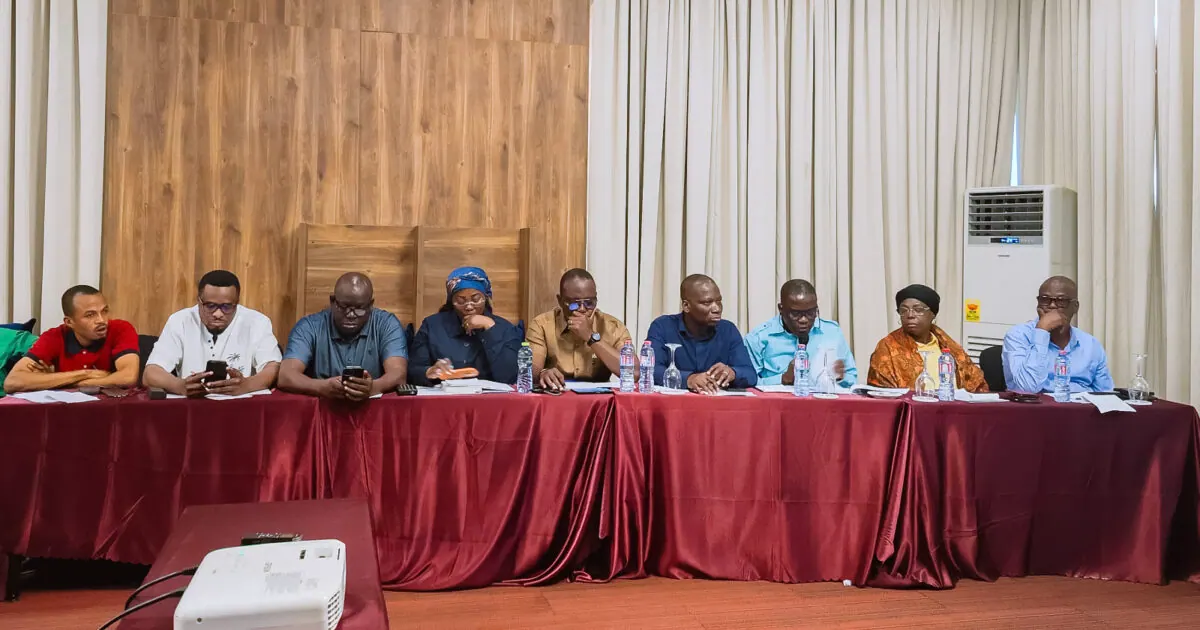
The Parliamentary Select Committee on Sanitation and Water Resources in Ghana has called for increased and sustainable funding for sanitation, stating that the current 10% allocation from the District Assemblies Common Fund (DACF) is insufficient to address the country's sanitation challenges. The Committee expressed satisfaction with the use of the allocation by several assemblies in the Volta and Oti regions, citing investments in institutional toilets, boreholes, drainage works, and other sanitation-related projects. This assessment was part of the Committee's second-phase accountability engagement with Metropolitan, Municipal, and District Assemblies (MMDAs).
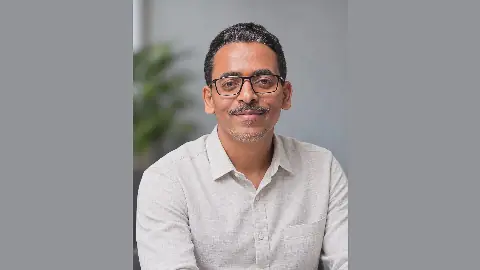
The Committee engaged 18 MMDAs in the Volta Region and received presentations from nine districts in the Oti Region, covering their 2025 and 2026 DACF allocations, receipts, sanitation interventions, and challenges encountered. Member of Parliament for Salaga South and Committee member, Ibrahimah Mohammed Zuwera, said the presentations showed that the 10% allocation was supporting practical interventions in local communities, including investments in institutional toilets, mechanized and hand-pump boreholes, desilting, drainage works, and other sanitation-related activities.
The Committee commended the assemblies for their accomplishments, quality of work, and commitment to addressing sanitation challenges. However, concerns were raised about the presentation from the Nkwanta North District Assembly, which will require further engagement in Accra to clarify issues identified during the assessment. The Committee emphasized that the exercise was not simply to establish whether assemblies had spent their allocations but also to determine whether the funds were being used for their intended purposes and whether the interventions were delivering results in communities.
The Committee also sought to establish the actual status of DACF releases, cautioning assemblies against attributing implementation challenges to the non-release of funds when the allocations had already been transferred. Ms. Zuwera said the two quarterly allocations for 2026 had been paid, and assemblies were therefore expected to provide accurate information on their funds and expenditure. She stressed that public funds are not for personal use and that the Committee would continue to encourage MMDAs to ensure that public resources translated into tangible benefits for residents.
The Krachi East Municipal Assembly used its sanitation allocation to undertake desilting, drain construction, dislodging of sanitation facilities, and site clearance. Municipal Chief Executive Sarfo Nketia said the municipality was facing growing pressure on its sanitation and other public facilities due to an influx of people, partly linked to instability and conflicts in surrounding communities. He proposed a mini-water system to complement existing borehole interventions and improve access to potable water.
In the Kadjebi District, District Chief Executive Dr. Sam Suraj Isaka said the assembly had adopted a collaborative approach involving market women and transport operators to improve sanitation at key facilities. The district had also invested in water infrastructure, including eight mechanized boreholes, with another five under construction. The assembly had repaired about 23 boreholes and provided hand pumps to communities, achieving a water coverage of about 88%. However, sanitation remained a challenge due to littering and difficulties in changing public behavior.
The Committee's assessment reinforced the need for a dedicated and sustainable sanitation financing mechanism. Ms. Zuwera said the results presented by the MMDAs demonstrated that additional resources could enable assemblies to expand sanitation interventions, provided the funds were properly targeted and accounted for. The Committee will continue its field engagements and follow up on issues requiring clarification before compiling its findings and recommendations.
Key points
- The Parliamentary Select Committee on Sanitation and Water Resources calls for increased and sustainable funding for sanitation in Ghana.
- The current 10% allocation from the District Assemblies Common Fund (DACF) is deemed insufficient to address the country's sanitation challenges.
- The Committee commends assemblies for their accomplishments but emphasizes the need for a dedicated national sanitation fund.