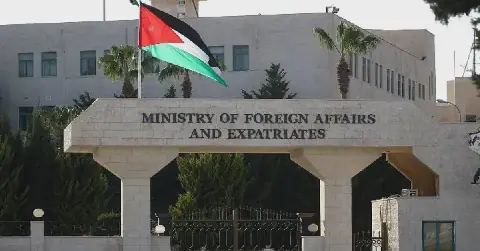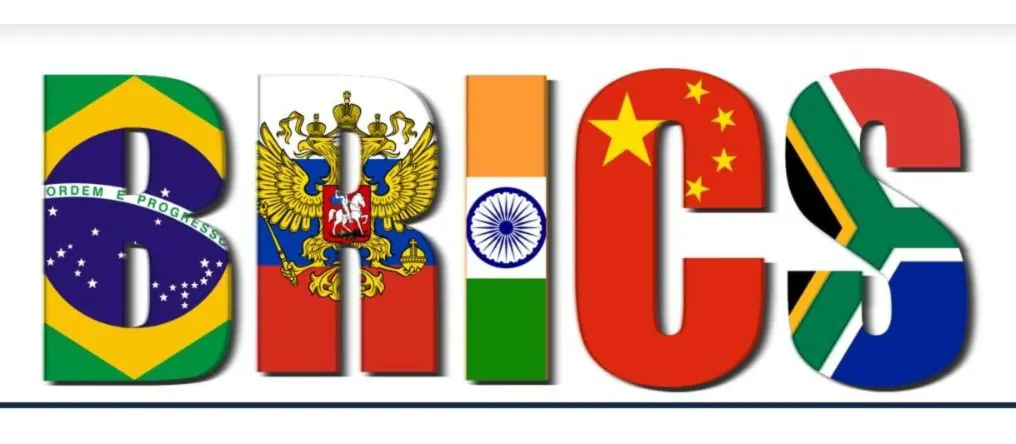
International Relations Analyst and Development Consultant, Dr Elvis Botah, has expressed concerns that Ghana's potential membership in the BRICS grouping could lead to economic exploitation. He argues that while joining BRICS may expand Ghana's trade and investment opportunities, the country may end up benefiting less than industrial giants such as China, India, Brazil, and Russia. Dr Botah's warnings follow Foreign Affairs Minister Samuel Okudzeto Ablakwa's clarification that Ghana intends to seek BRICS partner-country status rather than immediate full membership.
Dr Botah fears that Ghana's continued reliance on raw material exports could reinforce existing economic imbalances, with stronger economies benefiting from processing, manufacturing, and the sale of finished products. He argues that Ghana would be competing with Brazil, Russia, South Africa, India, and China, making it an underdog in this kind of relationship. According to Dr Botah, Ghana's lack of a clear industrial strategy could expose its natural resources to further exploitation.
The government's intention to seek closer ties with BRICS is aimed at attracting investment, promoting industrialization, and diversifying Ghana's economic partnerships. However, Dr Botah questions the government's negotiating strategy and whether Ghana has clearly defined what it hopes to gain from the proposed partnership. He emphasizes the need for a clear negotiation strategy and defined points of negotiation.
Dr Botah cites the growing presence of Chinese-operated retail outlets in Ghana as an example of how foreign businesses could increasingly compete with local traders, even within the domestic market. He warns that without investment in local processing, manufacturing, and technology transfer, Ghana could simply become a larger consumer market for goods produced by BRICS economies.
Dr Botah stresses that if joining BRICS does not come with a clear, attainable, and smart objective of transforming raw primary commodities into industrial value-addition commodities in Ghana, then the country will merely become another market. He urges the government to develop a clear industrial blueprint with measurable targets for value addition, technology transfer, and job creation over the next five to ten years.
According to Dr Botah, Ghana's ability to benefit from BRICS will depend on strengthening its domestic economy and negotiating arrangements that protect its economic interests, rather than merely expanding its diplomatic partnerships. He emphasizes that Ghana must be cautious not to shoot itself in the foot by expanding its partners geopolitically and opening its doors for more exploitation of its primary commodities.
Dr Botah's concerns highlight the need for Ghana to carefully consider its strategy for engaging with BRICS. The country's economic development and ability to benefit from the grouping will depend on its ability to negotiate favorable terms and protect its economic interests. The government must take Dr Botah's warnings into consideration as it moves forward with its plans to engage with BRICS.
Key points
- Ghana may benefit less from BRICS than industrial giants, warns Dr Elvis Botah
- Dr Botah urges government to develop a clear industrial blueprint
- Ghana's ability to benefit from BRICS depends on strengthening its domestic economy