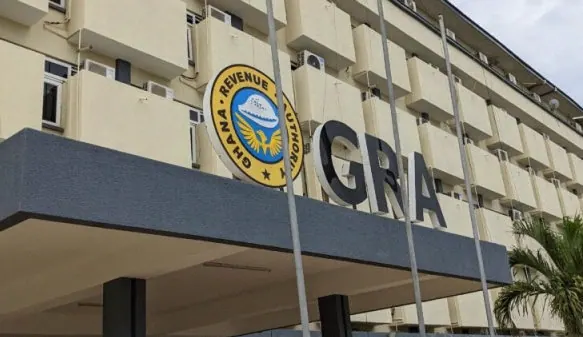
The Ghana Revenue Authority (GRA) is pushing for a data-driven tax overhaul to cover mobile money, fintech, and digital advertising. Commissioner of the GRA's Domestic Tax Revenue Division, Dr Martin Kolbil Yamborigya, made the case at the 28th Forum of the Ghana Chamber of Telecommunications on 23 September 2026. He stated that traditional tools to catch tax dodgers are no longer enough to keep pace with Ghana's rapidly growing digital economy.
Dr Yamborigya explained that the explosive growth of mobile money, digital payments, e-commerce, fintech, and digital advertising has produced business models that Ghana's existing tax rules were never designed to handle. The GRA is shifting toward a data-driven and risk-based approach to tax compliance, rather than depending mainly on random audits and businesses' past compliance records.
The GRA needs closer engagement with telecom operators to better understand new revenue streams, cross-border digital services, transfer pricing arrangements, and withholding tax obligations. Dr Yamborigya also called for a review of existing tax incentives to confirm they are still doing what they were meant to do, including attracting investment, extending network coverage to rural areas, encouraging innovation, and creating jobs.
Dr Yamborigya cautioned that tax policy should not end up discouraging capital investment in infrastructure such as fibre networks, data centres, and broadband. He stressed that continued investment in these areas remains essential. The GRA's comments are part of a broader drive to tighten revenue collection across sectors using technology.
The GRA's push for new tax rules builds on earlier reporting that telecom firms paid roughly GH₵15 billion in taxes in 2025, amounting to nearly 7% of Ghana's domestic revenue. This comes as Parliament warned that the sector's already heavy tax and fee burden could be passed on to consumers.
Any change in how telecom and digital businesses are taxed could eventually affect the cost of mobile money transactions, data bundles, and online transactions. Fintech firms and e-commerce businesses operating in Ghana would also face closer scrutiny under the risk-based compliance model. The GRA has not announced a specific timeline for implementing the proposed changes to tax policy or the risk-based compliance system.
The GRA's intention to engage more closely with telecom and digital firms was signalled by Dr Yamborigya's remarks at the telecom industry forum. However, no dates for new legislation, consultations, or rollout have been given. The GRA is the government agency responsible for assessing and collecting taxes and customs duties in Ghana.
Key points
- The GRA is seeking a data-driven tax overhaul to cover mobile money, fintech, and digital advertising.
- The proposed changes aim to tighten revenue collection and ensure tax compliance in Ghana's rapidly growing digital economy.
- The new tax rules could affect the cost of mobile money transactions, data bundles, and online transactions for ordinary Ghanaians.