Ghana's President John Dramani Mahama disclosed the grounds on which the country rejected a proposed Health Compact offered by the United States. The compact was meant to replace USAID funding but was swiftly turned down by Ghana's Cabinet. Mahama explained that the draft agreement was submitted as an information paper by the Health Ministry before being rejected. The Cabinet raised immediate concerns over several key provisions within the document.
The proposed compact required Ghana to surrender its biological and health data, including its full pathogen output profile and national medical records, to the United States. This provision raised significant concerns among Cabinet members. Additionally, the agreement required Ghana to allocate a specific amount of its own capital into the healthcare programme to receive the funding. This domestic financial commitment was seen as an unacceptable burden.
Another contentious provision was the exemption of foreign medical products and medications imported under the programme from inspection by Ghana's Food and Drugs Authority (FDA). The Cabinet members found this term to be particularly objectionable, as it would compromise Ghana's regulatory oversight. Characterising the terms as unacceptable for a sovereign country, Mahama noted that the Cabinet rejected the proposal in record time.
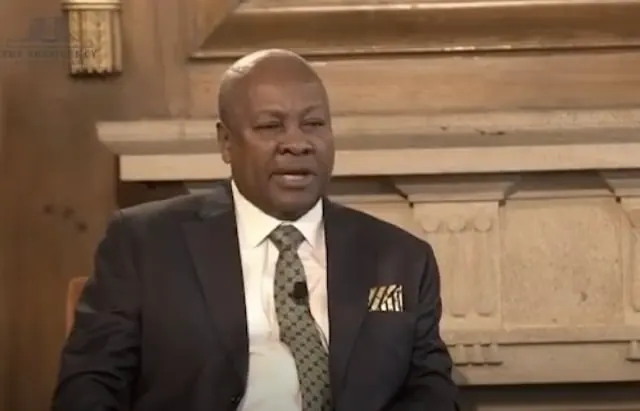
Mahama described the terms as "humiliating" and stressed that the compact was rejected swiftly. He made these comments during an address at the Council on Foreign Relations (CFR) in New York. The executive branch subsequently directed the Health Minister to inform the US Ambassador that Ghana would decline the estimated $100-plus million offer.
Ghana's decision to reject the compact was based on its commitment to maintaining regulatory oversight and protecting public health data. Mahama emphasised that the nation can manage its own health sector without compromising on these critical aspects. The rejection of the compact reflects Ghana's stance as a sovereign democratic nation with established governance processes.
The proposed Health Compact was intended to support Ghana's healthcare sector, but the terms were deemed unacceptable. The country's swift rejection of the compact highlights its commitment to protecting its sovereignty and regulatory authority. The incident underscores the importance of respecting national autonomy in international partnerships.
Ghana's rejection of the US Health Compact serves as a significant example of the country's commitment to its democratic values and governance processes. The incident highlights the need for international partners to respect the sovereignty and regulatory authority of nations. Key aspects of the rejected compact included the surrender of biological and health data, domestic financial commitments, and the bypassing of national regulators.
Key points
- Ghana rejected the US Health Compact due to unacceptable terms, including the surrender of biological and health data and the bypassing of national regulators.
- The proposed compact required Ghana to allocate a specific amount of its own capital into the healthcare programme to receive the funding.
- Ghana's President John Dramani Mahama characterised the terms as "humiliating" and stressed that the compact was rejected swiftly.