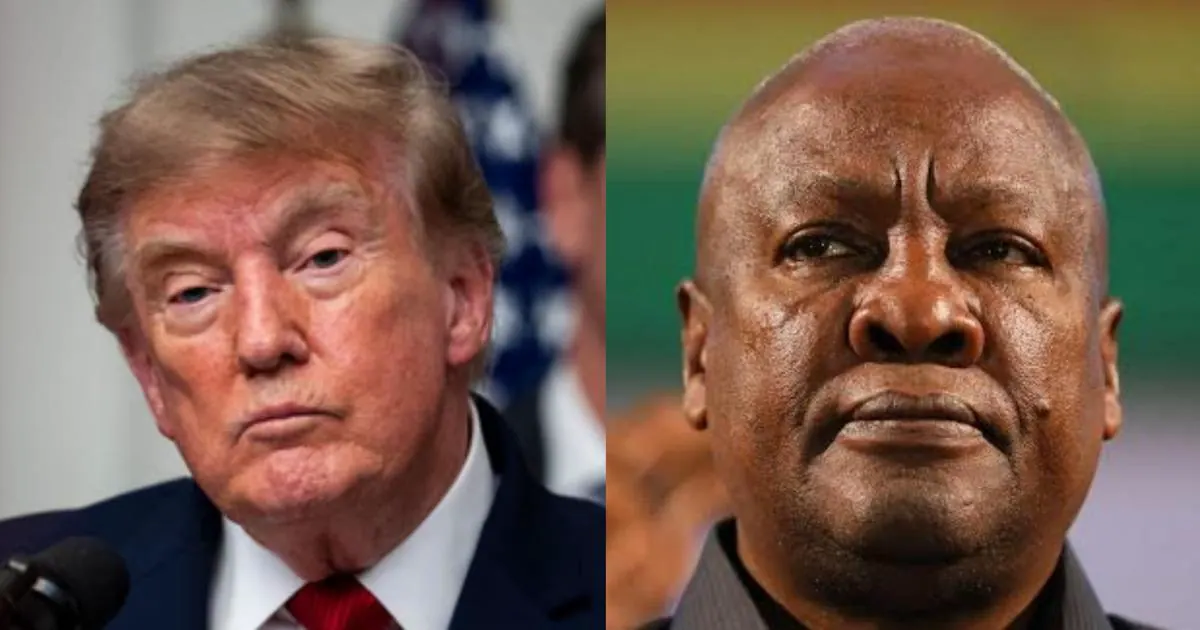
Ghana's President John Mahama has shed light on the country's decision to reject a proposed US health compact, citing concerns over sensitive health information, counterpart funding, and inspection powers for medical products. The compact, worth $109 million over five years, was turned down in April 2026. Mahama revealed that the agreement required Ghana to provide access to its health records and pathogen profile, which raised significant concerns.
The proposed deal was meant to replace some of the health funding Ghana previously received from the US following changes to American foreign aid policy. Mahama stated that Ghana's Ministry of Health reviewed the compact and rejected it due to several provisions, particularly those relating to Ghana's health data and regulatory powers. He expressed concerns about the implications of sharing medical records with another country.
One of the key concerns was that the agreement required Ghana to provide a certain amount of funding for its own healthcare needs. Additionally, the deal stated that the country's Food and Drug Administration (FDA) would have no power to inspect medicines and other medical products brought into Ghana under the programme. Mahama described these terms as "humiliating".
Mahama revealed that Cabinet rejected the proposal quickly, instructing the Health Minister to inform the US Ambassador that Ghana would manage its health needs without the proposed arrangement. He emphasized that Ghana has chosen to manage its health priorities independently while continuing health cooperation with the US and other development partners.
The rejected compact was reported to include $109 million in US funding over five years, with Ghana expected to provide additional financing. Mahama's explanation for the rejection was made at the Council on Foreign Relations in New York on September 25, 2026. He justified the government's decision, describing the terms as unacceptable.
Ghana's decision to reject the US health compact reflects the country's commitment to protecting its sensitive health information and regulatory powers. Mahama's comments provide insight into the country's priorities and its approach to managing its health needs. The rejection of the compact does not affect Ghana's overall cooperation with the US and other development partners in the health sector.
The incident highlights the importance of careful consideration and negotiation in international agreements, particularly those involving sensitive information and regulatory powers. Ghana's experience serves as a reminder of the need for countries to prioritize their national interests and protect their sovereignty in international partnerships.
Key points
- Ghana rejected the US health compact due to concerns over medical data breaches and regulatory powers.
- The proposed deal was worth $109 million over five years and required Ghana to provide access to its health records and pathogen profile.
- Ghana has chosen to manage its health priorities independently while continuing health cooperation with the US and other development partners.