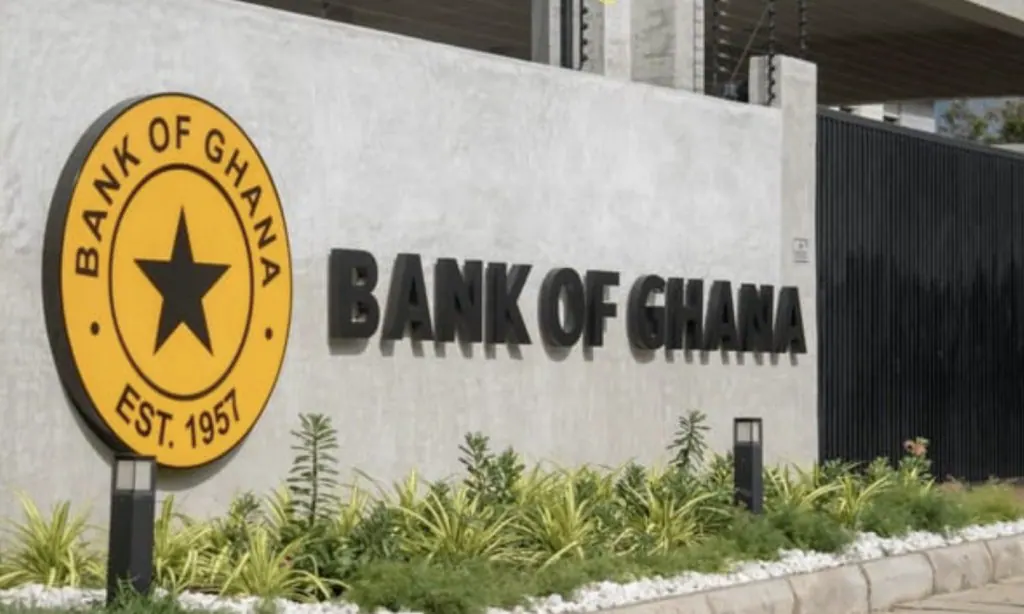
Ghana's benchmark lending rate, the Ghana Reference Rate (GRR), has decreased to 10.04% in October, according to JOYBUSINESS calculations. This decline is notable as the Bank of Ghana's key policy rate has remained unchanged at 14% since the first quarter of 2026. The GRR is a benchmark figure used by banks to price loans and has been tracked by JOYBUSINESS based on an industry-approved formula and data from market players.
The decline in the GRR to 10.04% in October, down from 10.18% in September, was driven largely by slight reductions in Treasury bill rates and interbank market rates, rather than any shift in monetary policy. Increased liquidity in the banking system and sharper competition among banks on the interbank market were also cited as contributing factors. This trend suggests that movements in the GRR have tracked fiscal and money-market conditions more closely than they have followed the Bank of Ghana's own benchmark rate decisions.
The Ghana Reference Rate has swung throughout 2026, according to JOYBUSINESS tracking. It stood at 11.71% in March before falling to 10.06% in April, then easing further to 10.03% in May and 10.02% in June. It rose again to 10.59% in July and 10.61% in August, before dropping to 10.18% in September and now 10.04% in October. The latest reading continues the downward trend seen over the past two months.
For Ghanaians with variable-rate loans, a falling GRR typically translates into marginally cheaper repayments over time, since banks adjust pricing on these facilities in line with the benchmark. JOYBUSINESS notes that average lending rates have eased to around 15%, with some customers reportedly securing credit at rates between 11% and 12.5%. Those with fixed-rate loans, however, are unlikely to see any immediate change, as their repayment terms are locked in regardless of where the benchmark moves.
New borrowers stand to benefit most in the short term, as banks compete to attract customers with more favourable lending terms. The trend could matter for small businesses and individuals seeking fresh credit lines, particularly in a year where the policy rate itself has given them no relief. As the GRR continues to trend downward, it may influence the broader lending landscape in Ghana.
The Ghana Reference Rate was introduced in 2017 by the Bank of Ghana together with the Ghana Association of Banks to give the industry a transparent, uniform benchmark for pricing loans and credit facilities across the sector. It remains distinct from the Monetary Policy Rate, which is the Bank of Ghana's own tool for signalling the direction of interest rates in the economy and has stayed at 14% since Q1 2026.
Sources have not indicated when or whether the Bank of Ghana plans to adjust its policy rate, nor have they given a timeline for how long the current downward trend in the GRR might continue. JOYBUSINESS has said it will keep tracking the benchmark on a monthly basis. The development of the GRR and its relationship with the policy rate will continue to be closely watched by businesses and individuals seeking credit.
Key points
- The Ghana Reference Rate has decreased to 10.04% in October, driven by reductions in Treasury bill rates and interbank market rates.
- The decline in the GRR may lead to marginally cheaper repayments for Ghanaians with variable-rate loans.
- The trend in the GRR is expected to influence the broader lending landscape in Ghana, particularly for small businesses and individuals seeking fresh credit lines.