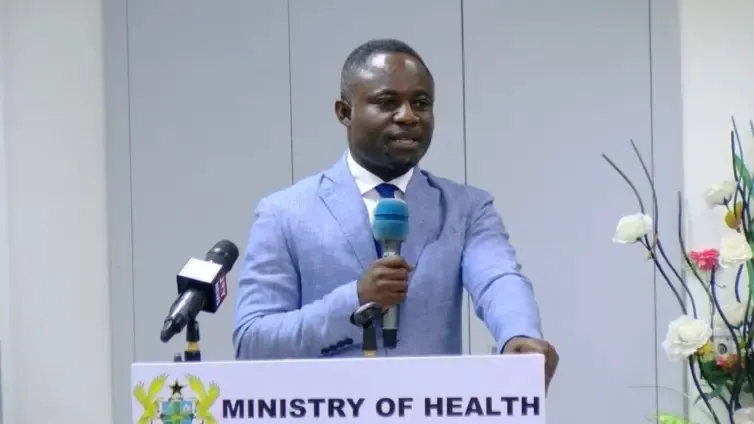
Ghana's health authorities have reported approximately 450 suspected yellow fever cases nationwide between June and September 2026. According to Health Minister Kwabena Mintah Akandoh, the Upper West Region is the worst hit, accounting for 74 of the suspected cases. The minister made this disclosure at the Ministry of Health's Health Sector Update Engagement in Accra. The cases have been recorded over a four-month period.
The Health Minister emphasized the distinction between suspected and confirmed cases. He explained that while health professionals can make an initial assessment of whether an illness may be linked to yellow fever, this cannot be confirmed until laboratory testing is conducted. Akandoh noted that not all suspected cases reported in communities test positive for yellow fever. This clarification is crucial in understanding the actual scale of the outbreak.
The Upper West Region has recorded three laboratory-confirmed yellow fever cases. The region has been the centre of the outbreak, with a significant number of suspected cases reported. Akandoh's update provides a broader perspective on the situation, indicating that the crisis in the Upper West Region is part of a larger pattern of suspected infections spreading across the country since June.
The government has intensified disease surveillance and response efforts, particularly in northern Ghana. Laboratories have been supplied with the necessary reagents to test and confirm suspected cases more quickly. A National Rapid Response Team has been deployed to the Upper West Region following the confirmation of cases. Designated areas within district hospitals have been isolated to manage both suspected and confirmed patients.
Akandoh appealed to the public and media houses to remain calm and support the health system's response. He urged journalists to handle coverage of the outbreak responsibly, emphasizing that there is no need to panic given the measures already in place. The Ministry of Health is working to contain the outbreak and prevent further spread of the disease.
Yellow fever is a viral disease spread by infected mosquitoes that can cause fever, jaundice, and death in severe cases. The disease is preventable through vaccination. With 450 suspected cases reported across the country, residents in affected districts face disruption from hospital isolation measures. Families in communities like Sissala East are grappling with the aftermath of reported deaths.
The Ministry of Health has not provided a specific timeline for when remaining suspected cases will be tested or when the outbreak might be considered contained. Akandoh indicated that surveillance, laboratory testing, and the work of the Rapid Response Team in the Upper West Region will continue. The true scale of the outbreak remains uncertain until further lab results are obtained.
Key points
- 450 suspected yellow fever cases recorded nationwide since June
- Upper West Region worst hit with 74 suspected cases and 3 confirmed infections
- Government intensifies disease surveillance and response efforts to contain outbreak