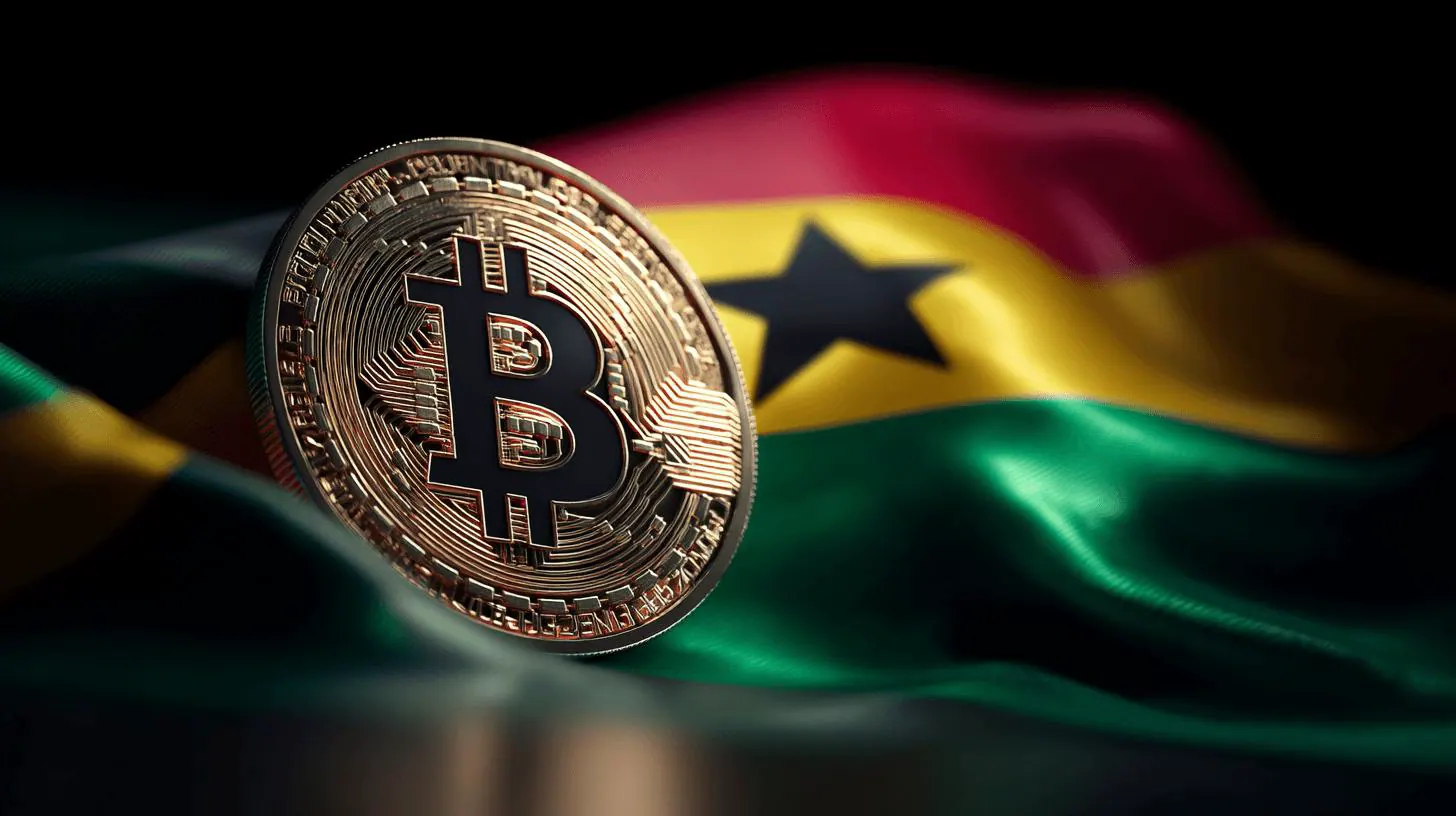
Ghana has become the fifth-largest cryptocurrency market in Sub-Saharan Africa, with a growing number of residents engaging in buying and selling crypto assets. Available estimates indicate that between 8% and 17% of Ghana's population has either purchased or sold cryptocurrency. The country's annual crypto-related transactions are estimated at approximately $21 billion, highlighting the increasing significance of virtual assets in the national financial ecosystem.
According to a report by the International Monetary Fund (IMF), stablecoins are rapidly expanding across crypto markets, primarily used for cryptocurrency trading and protecting value against inflation. The IMF observed that stablecoins' role in cross-border settlements is gradually increasing, particularly in informal and semi-formal segments of the economy where conventional international payment channels may be less accessible or more costly.
The IMF report, titled "Regulation and Supervision of Crypto Markets and Activities," examined developments in regulating, supervising, and using digital assets, including stablecoins' emerging role in financial systems. The report noted that stablecoins' application in retail remittances remains limited but could increase as digital financial instruments' adoption expands. Asset tokenization is also developing as a small but steadily growing component of global cryptocurrency markets.
Ghana has taken legislative steps to establish a formal regulatory framework for the cryptocurrency industry. In December 2025, Parliament passed the Virtual Asset Service Providers Act, granting the Bank of Ghana and the Securities and Exchange Commission regulatory and supervisory authority over cryptocurrency markets and activities. This legislation creates a statutory foundation for overseeing virtual asset service providers and other sector participants.
The IMF report was presented after a technical assistance mission in Ghana, focusing on regulating and supervising cryptocurrency markets and activities. The mission examined regulatory and supervisory arrangements applicable to crypto asset service providers and stablecoin arrangements under the Bank of Ghana and Securities and Exchange Commission's mandates. The IMF reviewed prudential requirements and consumer and market conduct frameworks governing crypto asset service providers.
As part of the assessment, the IMF measured Ghana's regulatory architecture against international standards and recommendations developed by the Financial Stability Board and the International Organization of Securities Commissions. The growing scale of Ghana's cryptocurrency activity, coupled with a dedicated legal framework and enhanced regulatory oversight, reflects the country's transition towards a more structured approach to virtual assets.
The IMF's assessment highlights the importance of effective supervision as Ghana seeks to accommodate innovation in digital finance while strengthening safeguards around financial stability, market conduct, and protecting participants in the virtual asset sector. The country's growing cryptocurrency market and regulatory framework will likely continue to evolve, balancing innovation with financial stability and security.
Key points
- Ghana ranks fifth in Sub-Saharan Africa's crypto market with estimated annual transactions of $21 billion.
- The country has established a formal regulatory framework for the cryptocurrency industry through the Virtual Asset Service Providers Act.
- Effective supervision is crucial for Ghana's cryptocurrency market to balance innovation with financial stability and security.