The Ghana Psychological Association (GPA) is advocating for a more inclusive approach to mental health policy, citing a nationwide survey that found 32.2% of Ghanaian adults screen positive for probable depression. This statistic, according to the GPA, underscores the need for mental health care in Ghana to incorporate the voices of those who have experienced mental health conditions firsthand. The Association made this call in a statement marking World Mental Health Day on October 10, 2026.
The GPA's statement was issued under the global World Mental Health Day theme, "Lived Experiences Heard: Real Voices, Real Change." The Association argued that individuals who have lived with mental health conditions should be recognized as contributors to the mental health system, rather than just being patients. Their insights, the GPA believes, can help make services more responsive, compassionate, and culturally appropriate.
According to the GPA, Ghanaians living with mental health conditions continue to face significant barriers, including stigma, discrimination, and the financial burden of seeking help. Some individuals suffer in silence due to fear of being judged or labelled, while others are unaware of where to turn for support. These barriers can delay treatment and deepen distress for both individuals and their families.
The GPA also highlighted global data suggesting that roughly one in eight people worldwide lives with a mental disorder, framing Ghana's situation within a wider need to expand access to appropriate care. With nearly one in three adults screening positive for probable depression, the practical stakes are significant. Access to affordable, stigma-free psychological support remains limited in many communities.
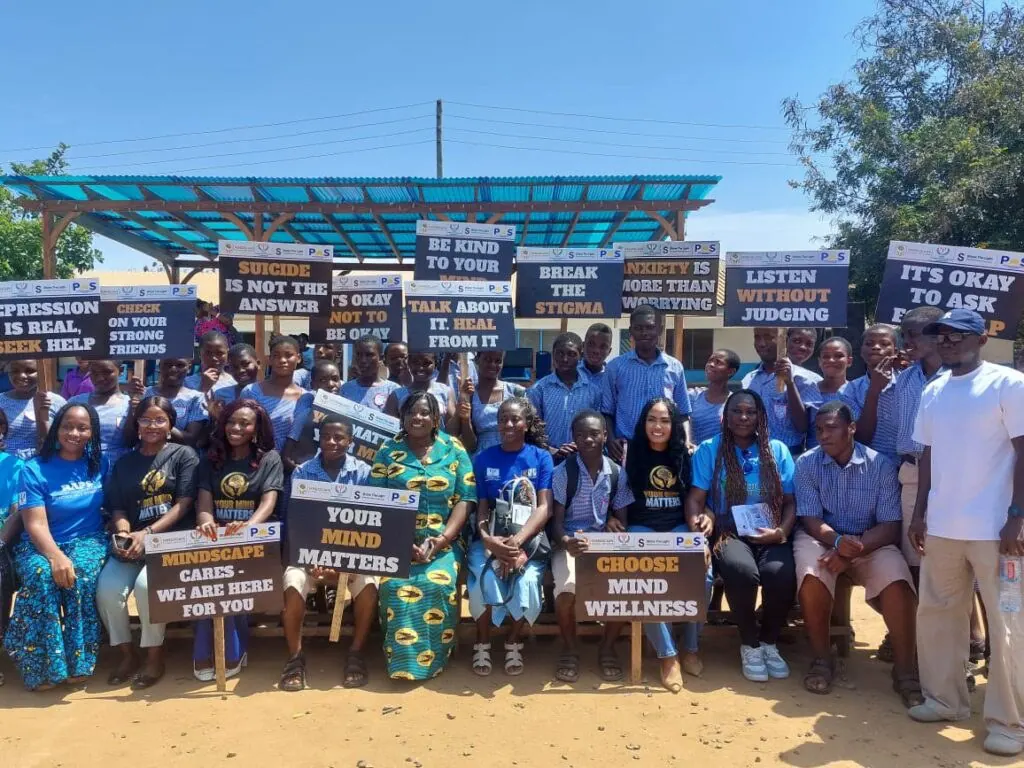
The Association called for support to extend beyond hospitals into schools, workplaces, universities, and communities, enabling people to access help where they live, learn, and work. This approach would reduce the need for specialized facilities that may be far away or costly. The GPA urged government, health authorities, educational institutions, employers, the media, and development partners to work together to improve mental health care.
The GPA's National Public Relations Officer, Dr. Isaac Newman Arthur, signed the statement, which encouraged individuals and families to seek professional help early when facing emotional or psychological difficulties. The statement noted that mental health professionals play a central role in assessment, psychological treatment, rehabilitation, and recovery support. However, no specific timeline or mechanism for incorporating people with lived experience into policymaking was outlined.
The Ghana Psychological Association is the professional body representing psychologists in Ghana. World Mental Health Day is marked globally on October 10 each year to raise awareness of mental health issues and mobilize support for better care systems. The Association's call for inclusive mental health policy highlights the need for a collaborative approach to addressing mental health challenges in Ghana.
Key points
- The Ghana Psychological Association wants people with lived experience of mental health conditions to be involved in policymaking to ensure more responsive and compassionate services.
- A nationwide survey found that 32.2% of Ghanaian adults screen positive for probable depression, highlighting the need for improved mental health care.
- The Association called for support to extend beyond hospitals into communities, schools, and workplaces to increase access to affordable and stigma-free psychological support.