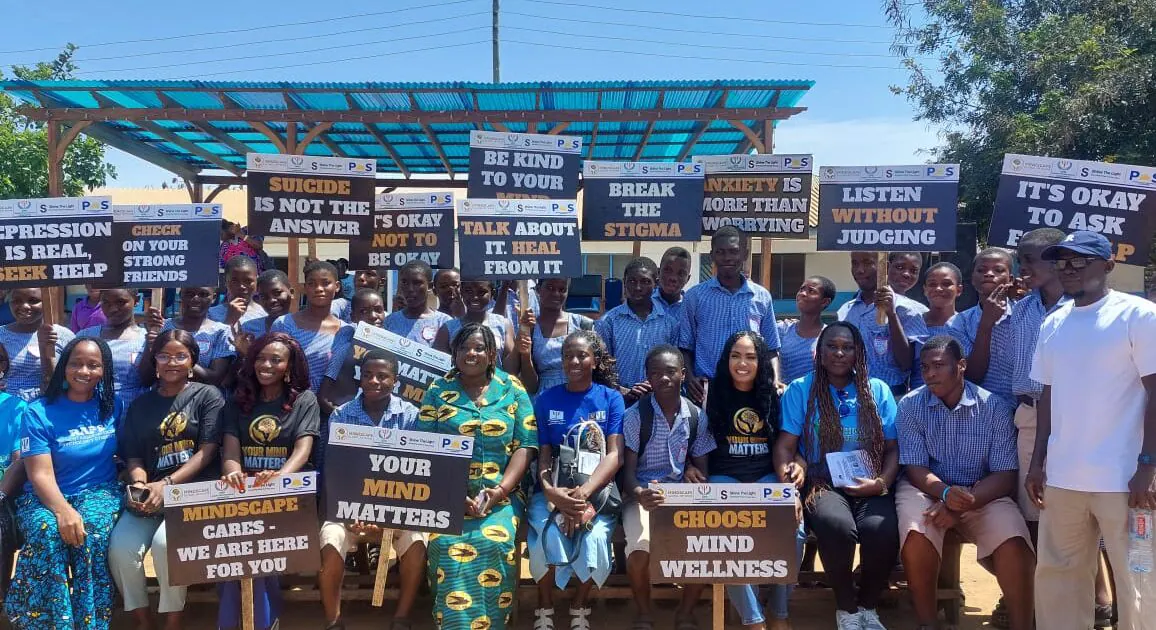
The Ghana Psychological Association (GPA) has called for people with lived experience of mental health conditions to play a greater role in shaping mental health policies and services in Ghana. This call comes amid concerns about access to psychological care, with a nationwide survey finding that 32.2 per cent of adults aged 18 to 69 screened positive for probable depression. The Association believes that involving people with lived experience is crucial to making mental health services more responsive, compassionate, and culturally appropriate.
According to the GPA, people with lived experience should not be treated merely as recipients of care but recognised as contributors whose insights could help improve mental health services. The Association's statement, issued under the global theme "Lived Experiences Heard: Real Voices, Real Change", emphasised that improving mental health care required more than professional expertise. It highlighted the importance of listening to people who had experienced mental health challenges.
The GPA expressed concern that people living with mental health conditions in Ghana continued to face stigma, discrimination, and financial burdens in accessing care. Some people suffer in silence for fear of being judged, misunderstood, or labelled, while others do not know where to seek help. These barriers can delay treatment and worsen the distress experienced by individuals and their families.
The Association noted that approximately one in eight people globally lives with a mental disorder, underscoring the need to strengthen mental health promotion and expand access to appropriate services. It urged the government, health authorities, educational institutions, employers, the media, religious and traditional leaders, and development partners to work together to improve mental health care.
The GPA called for support to extend beyond hospitals to schools, workplaces, universities, and communities, ensuring people can access appropriate services where they live, learn, and work. The Association encouraged individuals and families to seek professional help when emotional or psychological difficulties arise, stressing that seeking support should be viewed as a responsible step towards well-being rather than a sign of weakness.
Mental health professionals have an important role in providing assessment, psychological interventions, rehabilitation, and support for recovery. The GPA called for a society in which people can speak openly about their mental health without fear or shame, receive care with dignity, and participate in decisions affecting their lives. The Association's National Public Relations Officer, Dr Isaac Newman Arthur, signed the statement on October 10, 2026.
The GPA urged collective action to build a society where people can speak about their mental health without fear or shame, receive appropriate care with dignity, and contribute meaningfully to decisions affecting their lives. The Association concluded by emphasising the need for real voices to lead to real change, calling for a move from listening to action in building mental health services with people, not merely for them.
Key points
- The Ghana Psychological Association calls for greater involvement of people with lived experience in mental health care to improve services and reduce stigma.
- The Association urges collective action to build a society where people can speak openly about their mental health without fear or shame.
- The GPA emphasises the importance of listening to people who have experienced mental health challenges to make mental health services more responsive and compassionate.