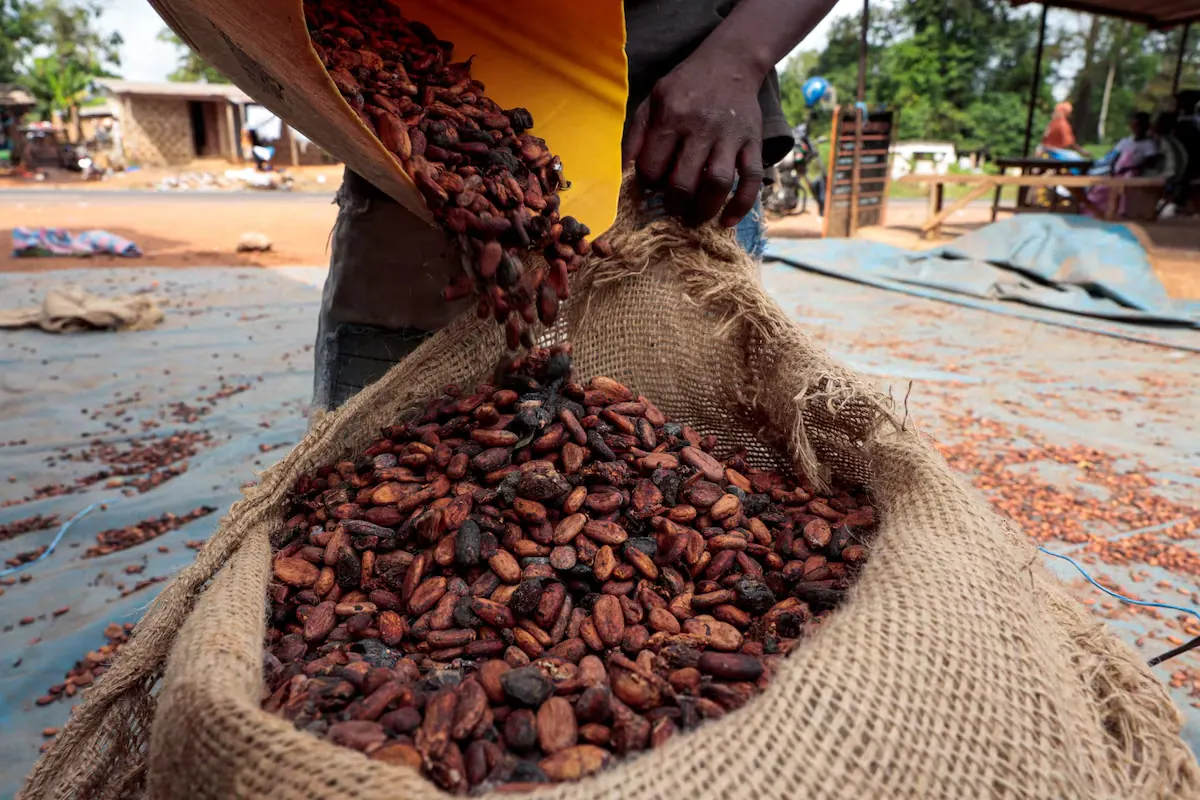
Ghana is on the cusp of announcing a new cocoa producer price for the 2026/2027 season, as the Ghana Cocoa Board (COCOBOD) intensifies efforts to secure financing for the upcoming crop. The new price will significantly impact the earnings of cocoa farmers and is expected to be closely monitored by farmers and industry operators. This development comes at a critical point for the cocoa sector, with the government and COCOBOD working to strengthen liquidity and establish a sustainable financing arrangement.
COCOBOD has recently engaged in discussions with major international cocoa trading companies in London to secure financing and outline operational arrangements for the 2026/27 season. The talks covered the implementation of the Ghana Cocoa Board Act, 2026, proposed financing mechanisms, and plans to raise funds through commercial paper and bond issuance. These discussions also explored ways to support Licensed Buying Companies with funding and ensure sufficient liquidity for cocoa purchases.
The new producer price decision is crucial, especially given the fluctuations in global cocoa prices and financing pressures confronting the sector. For the current 2025/2026 light crop season, the government retained the producer price at GH¢1,241.76 for a 30-kilogramme load of Grade I and II cocoa. This translates to GH¢2,587 per 64-kilogramme gross bag and GH¢41,392 per tonne, based on 16 bags. The forthcoming price will influence purchasing arrangements across the cocoa industry and determine farmers' income from their produce.
Beyond the immediate price decision, preparations by COCOBOD indicate a broader effort to address financial pressures within Ghana's cocoa industry. The goal is to ensure the sector has sufficient resources to support farmers, buyers, and exporters throughout the new crop season. This includes preparing Ghana's export system for the European Union Deforestation Regulation, which will impact the country's cocoa exports.
COCOBOD's efforts to secure funding have also involved pitching a $1.4 billion domestic financing plan. However, the Chamber of Cocoa Marketers has warned that COCOBOD's GH¢4 billion debt could disrupt cocoa purchases in the new season. The International Monetary Fund (IMF) has also identified political appointments as a major weakness in COCOBOD and other State-Owned Enterprises (SOEs).
The cocoa sector in Ghana faces significant challenges, including the need to raise local funds for the delayed cocoa season. Investors are demanding higher returns, which has made it difficult for COCOBOD to secure financing. The situation in neighboring Ivory Coast is similar, where cocoa sellers are struggling to use a new traceability system.
As Ghana prepares for the new cocoa season, stakeholders are closely watching the developments. The country's cocoa industry is a significant contributor to the economy, and any disruptions could have far-reaching consequences. With the new producer price announcement looming, farmers, industry operators, and government officials are eagerly awaiting the outcome, which will shape the sector's prospects for the 2026/27 season.
Key points
- COCOBOD seeks $1.4 billion in domestic financing for the 2026/27 cocoa season.
- The new cocoa producer price will determine farmers' earnings for the 2026/27 season.
- Ghana's cocoa sector faces significant financing pressures and challenges in securing funding for the new season.