The Ghana Police Service's Motor Traffic and Transport Department (MTTD) has clarified some requirements under the new Road Traffic Regulations, 2026 (L.I. 2519), set to be fully enforced from October 1. The regulations cover various aspects, including tyre age, windscreen tint, parking, and vehicle registration. Director of Education, Research and Training at MTTD, ACP Alexander Kwaku Obeng, provided explanations in a radio interview on Joy FM on September 28.
According to ACP Obeng, Regulation 87 requires vehicles to be fitted with safe tyres, with a maximum age of six years from the date of manufacture. The manufacturing date is embossed on the tyre's sidewall as a four-digit code showing the week and year of manufacture. ACP Obeng advised motorists to check tyre age before purchase and avoid old stock. He also stated that tyres imported into Ghana must have a temperature rating of A or B.
The regulations also specify requirements for windscreen tint, with Regulation 92 stating that the front windscreen must not have any tint. Vehicle windows should allow 70 per cent of light through, enabling a person 60 metres away to see into the vehicle. Exemptions apply to security and emergency service providers. ACP Obeng emphasized the importance of visibility, citing the principle of "see and be seen".
Vehicle owners are responsible for ensuring seats are fitted with seat belts, and drivers must ensure passengers under 18 years wear seat belts. Additionally, no person can own or use a vehicle that is not properly registered. Vehicle owners and drivers must also ensure their vehicles are serviced and roadworthy, with periodic certification by the Driver and Vehicle Licensing Authority (DVLA).
ACP Obeng stated that parking wholly or partly on the verge or shoulder of a road, including footways, is an offence. There is no provision for mechanics to carry out repairs on road shoulders, and enforcement teams will work with assemblies to stop the practice and tow vehicles if necessary. Blocking entrances and exits to properties is also considered a serious offence.
Vehicles are required to carry standard reflective stickers, with white reflectors at the front and red ones at the rear. Vehicles weighing 1.5 tonnes or more must carry reflective bands for visibility when broken down. ACP Obeng also mentioned that commercial motorcycles will require training for riders aged 21 and above, a new commercial motorcycle licence, and dedicated number plates in the coming months.
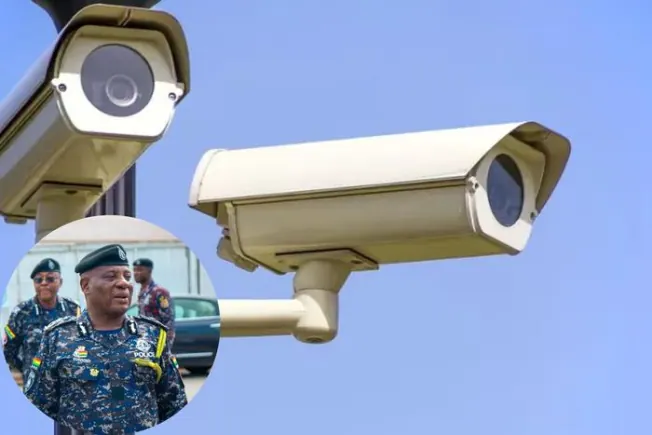
ACP Obeng addressed enforcement concerns, stating that efforts are already underway, with a focus on collaboration between the police, assemblies, and local authorities to address traffic-related problems. He supported calls for prompt restoration of broken traffic lights and cited Regulation 242, which allows the use of digital sensors to gather evidence against motorists who leave their vehicles on road verges.
Key points
- The Ghana Police Service will begin full automated traffic enforcement under its TRAFFITECH-GH programme on October 1.
- Tyres on vehicles in Ghana must not be more than six years old from the date of manufacture.
- The front windscreen of a vehicle must not have any tint, with vehicle windows allowing 70 per cent of light through.