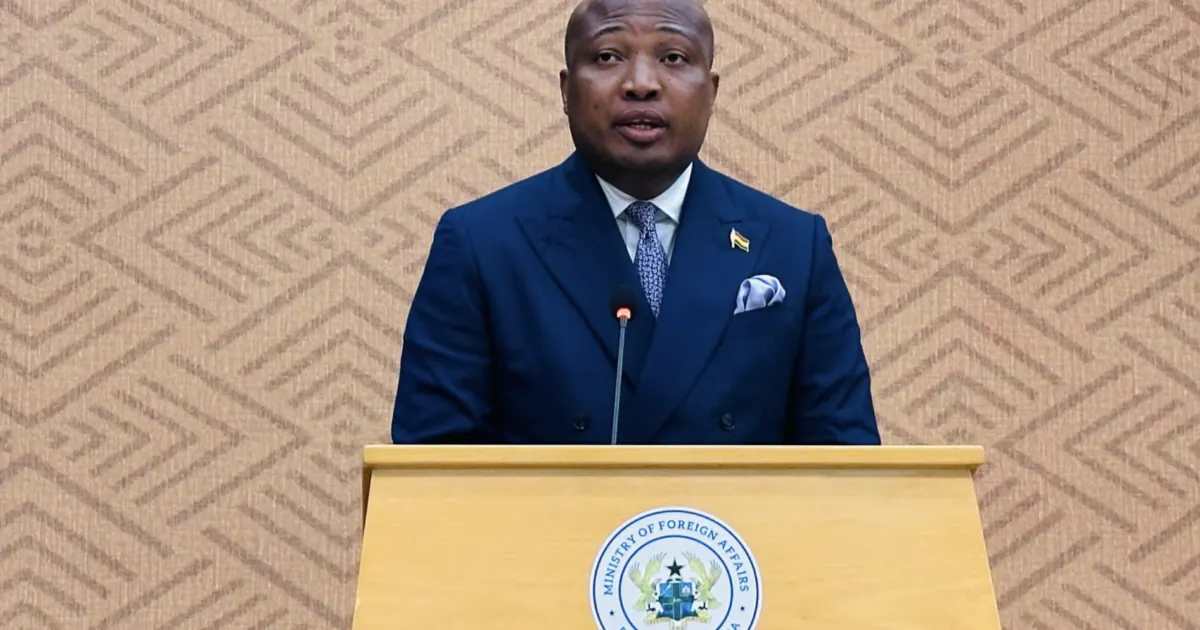
The government of Ghana is making plans to establish a modern museum to receive and preserve cultural artefacts being returned to the country from different parts of the world. According to Foreign Affairs Minister Samuel Okudzeto Ablakwa, the proposed facility is expected to provide a suitable home for thousands of artefacts that Ghana anticipates receiving through ongoing restitution and repatriation efforts. This initiative is part of the government's efforts to preserve Ghana's cultural heritage.
The modern museum is expected to become an important tourism and economic asset for Ghana, attracting visitors interested in Ghanaian history and culture. The government believes that the museum could create economic opportunities both during its construction and after completion, while allowing returned artefacts to be displayed in a manner that promotes Ghana's history and heritage. Mr Ablakwa cited the Kwame Nkrumah Memorial Park as an example of a cultural site that attracts visitors and said a modern museum could similarly contribute to tourism.
Ghana is preparing to receive artefacts from countries including the Netherlands, Germany, Portugal, and France. The government is working on both the infrastructure and a policy framework to ensure that the returned items are properly preserved and managed. This includes making provision in the 2027 Budget for the establishment of the modern museum. The Minister made these disclosures while speaking to journalists on the margins of the 81st United Nations General Assembly in New York.
A special museum is also being planned to house the preserved head of King Badu Bonsu II, the Ahanta king who was beheaded by the Dutch after resisting their authority. The memorial will help tell a fuller account of African resistance to colonial domination and the transatlantic slave trade. According to Mr Ablakwa, King Badu Bonsu II's head will serve as an eternal memorial to the fact that there was resistance to colonial rule.
Preserving and presenting such historical evidence will help challenge narratives suggesting that Africans did not resist enslavement and colonial domination. It will also provide future generations with a stronger connection to the country's history. The Minister argued that it is essential to preserve and present these historical facts to counter misinformation and promote a more accurate understanding of Ghana's history.
The government is committed to ensuring that the returned artefacts are properly preserved and managed. This includes developing a policy framework that will guide the management of the artefacts and the museum. The Minister emphasized the importance of preserving Ghana's cultural heritage and promoting its history and heritage.
The planned modern museum is part of Ghana's efforts to promote its cultural heritage and attract tourists. The government hopes that the museum will become a major tourist attraction and contribute to the country's economic development. The museum will also serve as a symbol of Ghana's rich cultural heritage and its resistance to colonial domination.
Key points
- The Ghanaian government plans to establish a modern museum to receive and preserve cultural artefacts being returned from various countries.
- The museum is expected to become an important tourism and economic asset for Ghana, attracting visitors interested in Ghanaian history and culture.
- A special museum is being planned to house the preserved head of King Badu Bonsu II, the Ahanta king who was beheaded by the Dutch after resisting their authority.