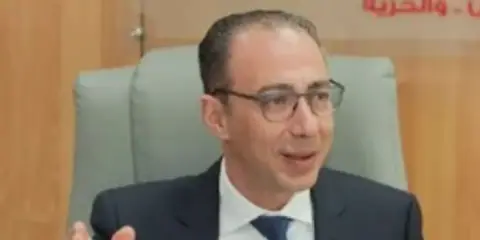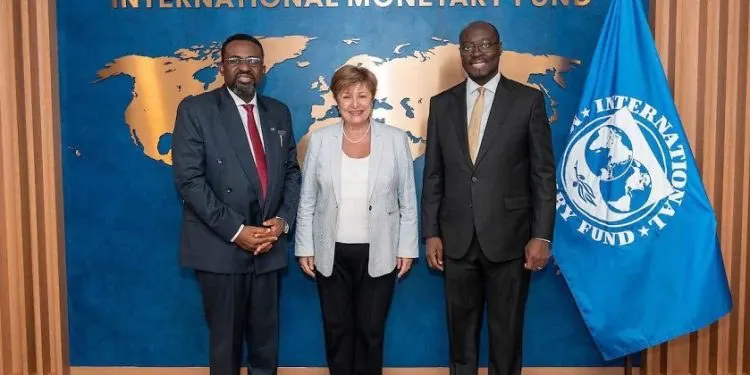
Ghana's Finance Minister, Dr. Cassiel Ato Forson, is leading a delegation to the IMF-World Bank Annual Meetings in Bangkok, Thailand, from October 12 to 18. This marks the country's first outing since exiting its $3 billion International Monetary Fund bailout. The trip symbolizes a shift in Ghana's relationship with its international creditors, as the country seeks to prove it no longer needs to beg for financial assistance.
Ghana completed the final review of its Extended Credit Facility arrangement in July 2026 and has since moved to a 36-month Policy Coordination Instrument (PCI). The PCI is a non-financing programme that trades direct disbursements for ongoing policy monitoring, reform tracking, and sustained investor confidence. Dr. Forson is joined in Bangkok by Bank of Ghana Governor Dr. Johnson Asiama and senior officials from the Ministry of Finance and the central bank.
The delegation's schedule includes bilateral talks with IMF and World Bank officials, investor briefings, ministerial meetings, and a sovereign debt roundtable. Dr. Forson is expected to preview the government's forthcoming 'New Economy' blueprint, a policy framework that will be fleshed out in the 2027 Budget. This pivot was foreshadowed earlier in the year, with the minister telling Parliament that stabilisation was never the final destination but simply the cost of getting back in the room.
Under the old ECF arrangement, Ghana received scheduled IMF disbursements tied to meeting fiscal targets. The PCI carries no such financing, meaning the government's room for manoeuvre now rests almost entirely on its ability to raise money from investors and manage its own revenue and spending. How convincingly Ghana sells its reform story in Bangkok could influence the interest rates the country pays when it eventually returns to international capital markets.
Ghana's Treasury bills were recently oversubscribed by 76% as yields kept sliding, a sign that domestic investors are regaining appetite for government paper. The stakes are sharpened by figures from the World Bank showing Ghana owes US$6.4 billion in Eurobond repayments by 2030. Sustained investor goodwill matters for ordinary Ghanaians who feel the effects of borrowing costs through taxes, the cedi's stability, and government spending on services.
Ghana's debt troubles following the 2022 economic crisis have reverberated well beyond its borders. Earlier this month, Ghana's experience with sovereign debt restructuring was cited as a factor behind new UK rules designed to speed up future global debt restructurings. An IMF staff team had already visited Accra in mid-September to discuss the details of the new PCI arrangement.
The Annual Meetings run through October 18 in Bangkok. Dr. Asiama has said Ghana intends to use the gathering to finalise details of the PCI and agree on the key issues shaping its implementation. The 2027 Budget, expected in November, will set out the specifics of the government's New Economy blueprint. Civil society representatives, independent economists, business leaders, and some Members of Parliament are also expected to attend the Bangkok meetings.
Key points
- Ghana's delegation to the IMF-World Bank meetings aims to showcase its economic gains and 'New Economy' agenda.
- The country's shift from a bailout programme to a Policy Coordination Instrument reflects its efforts to regain investor confidence.
- Ghana's debt obligations, including US$6.4 billion in Eurobond repayments by 2030, underscore the importance of sustained investor goodwill.