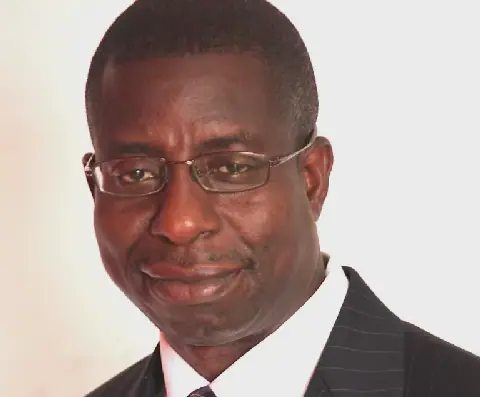
Ing. Ludwig Annang Hesse, president of the Ghana Institution of Engineering (GhIE), has emphasized the need for Ghana to improve its governance and city management to address its transport problems. He noted that the division of major metropolitan areas among several municipal assemblies makes it challenging to plan and manage transport systems that cross municipal boundaries. According to Ing. Hesse, public transport planning should be done at the metropolitan level rather than by individual municipalities.
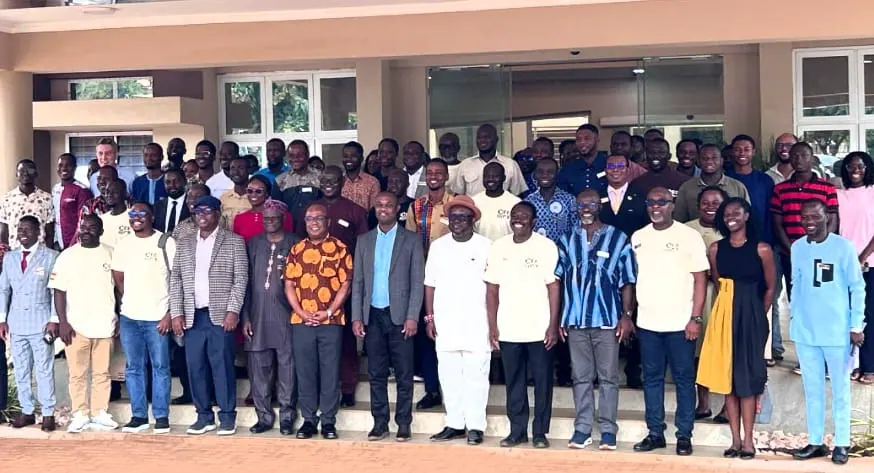
Ing. Hesse made these comments at the Third International Conference on Energy and Engineering organised by the University of Energy and Natural Resources (UENR) in Sunyani. The conference, themed "Engineering the Future: Energy, Agriculture, and Infrastructure Innovations towards Climate Resilience and Sustainable Development," brings together researchers, industry practitioners, policymakers, and innovators to discuss energy, agriculture, engineering, infrastructure, and environmental issues. The conference aims to connect research with practical solutions and strengthen collaboration among academia, industry, and government.
Ing. Hesse also stressed the need for a clear authority with the mandate and resources to implement transport plans. He noted that several transport plans have been developed over the years, but many of their recommendations have not been implemented due to responsibilities being spread across different institutions. According to Ing. Hesse, governance should come first, followed by integrated urban and transport planning, with an authority responsible for implementation and enforcement.
In addition to long-term plans, Ing. Hesse called for immediate action on transport problems. He emphasized that "doing nothing is not an option" and called for attention to traffic lights, road maintenance, and other basic transport infrastructure. Associate Professor at the School of the Built Environment, University of Reading, Rory Jones, also spoke at the conference, highlighting the need for Ghana's energy transition to consider people who still lack access to electricity.
Rory Jones noted that Ghana needs a clear strategy that considers energy access, existing resources, and long-term energy needs. He also called for closer cooperation between government, industry, and academia to turn research into practical solutions and businesses. According to Jones, industry can bring its challenges to universities, where researchers can develop solutions that can be turned into businesses.
Chief Executive of the Ghana Chamber of Mines, Ing. Dr Kenneth Ashigbey, also spoke at the conference, suggesting that Ghana can use the needs of the mining industry to develop local businesses that supply goods and services to mining companies. He cited inputs such as grinding media and activated carbon as areas where local industries can be developed. Dr. Ashigbey emphasized the importance of stronger collaboration between industry and academia to turn research and innovation into businesses and create opportunities for local industries.
The conference provides a platform for experts to discuss energy, agriculture, engineering, infrastructure, and environmental issues. It aims to promote collaboration and knowledge sharing among stakeholders to address the country's development challenges. Key issues discussed at the conference include the need for improved governance, integrated urban and transport planning, and energy access.
Key points
- Ing. Ludwig Hesse emphasizes the need for improved governance and city management to address Ghana's transport problems.
- Rory Jones highlights the need for a clear strategy for Ghana's energy transition that considers energy access and existing resources.
- Ing. Dr Kenneth Ashigbey suggests using the needs of the mining industry to develop local businesses and promote collaboration between industry and academia.