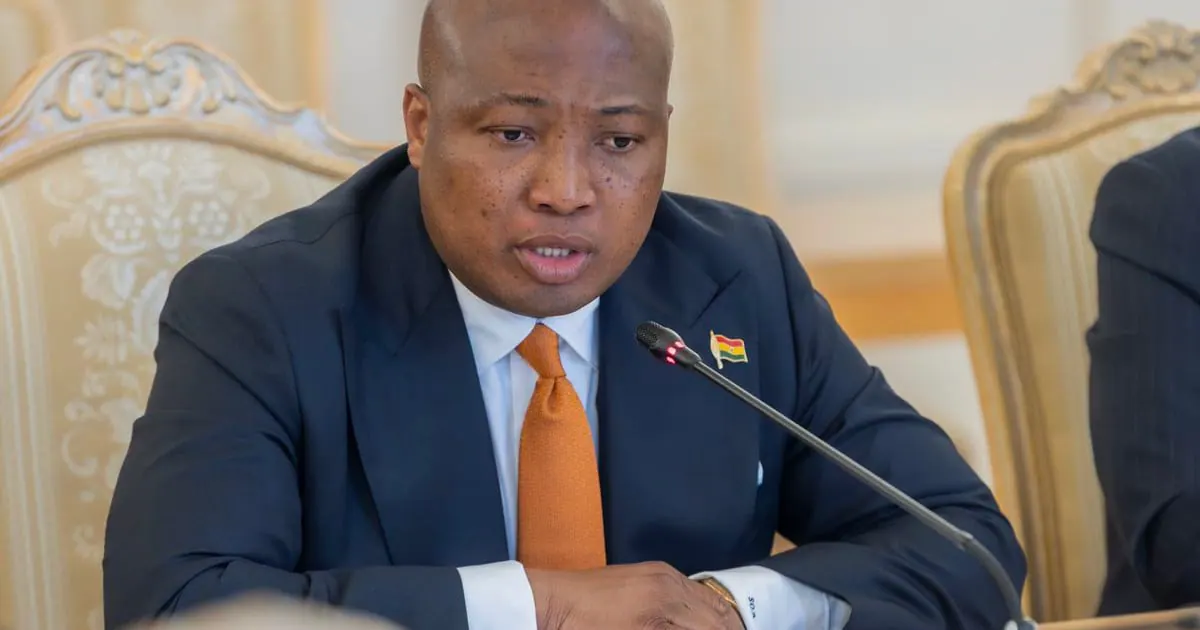
Ghana's Cabinet has given the green light for the country to apply for membership in the BRICS intergovernmental organization, according to Foreign Affairs Minister Samuel Okudzeto Ablakwa. This move is part of the government's efforts to broaden Ghana's economic horizons and reduce its reliance on traditional partnerships. By joining BRICS, Ghana aims to strengthen its ties with emerging economies and tap into new opportunities for cooperation. The decision was made under the administration of President John Dramani Mahama.
The BRICS bloc, comprising 11 core member nations and 10 partner countries, represents nearly 49.5% of the global population and 40% of world GDP. As an informal economic powerhouse, BRICS seeks to amplify the voice of the Global South and challenge Western-dominated institutions. Ghana's potential membership would grant it access to a vast and diverse market, enabling the country to explore new avenues for trade and investment. This development has significant implications for Ghana's economic future.
Minister Ablakwa emphasized that Ghana's decision to join BRICS is driven by the desire to diversify its economic partnerships and reduce dependence on traditional allies. By engaging with emerging economies like India, China, and Brazil, Ghana hopes to create new opportunities for cooperation in areas such as railway development, pharmaceuticals, and ICT. This strategic shift is expected to bolster Ghana's economic resilience and promote sustainable growth.
As part of efforts to strengthen Ghana's comprehensive partnership with India, the two countries have signed two Memoranda of Understanding covering agriculture and science and technology. These agreements are expected to facilitate knowledge sharing, technology transfer, and collaborative research in key sectors. By deepening its ties with India and other BRICS member states, Ghana aims to harness the benefits of South-South cooperation and accelerate its development trajectory.
Ghana's application to join BRICS signals the country's intention to play a more active role in global economic governance. As a member of the bloc, Ghana would be part of a coalition that seeks to promote a more multipolar world order and challenge the dominance of Western institutions. This move reflects Ghana's growing ambition to assert its influence on the global stage and contribute to shaping the international economic agenda.
The potential benefits of Ghana's BRICS membership are multifaceted. By gaining access to a large and diverse market, Ghana could increase its trade volumes and attract new investment. Membership would also provide Ghana with a platform to engage with other emerging economies and share best practices in areas such as economic development, infrastructure, and innovation. Furthermore, BRICS membership could enhance Ghana's credibility as a stable and attractive investment destination.
As Ghana moves forward with its application to join BRICS, the government will need to navigate the complexities of membership and ensure that the country's interests are protected. The decision to join BRICS reflects Ghana's commitment to expanding its economic options and diversifying its international partnerships. With careful planning and strategic engagement, Ghana can harness the benefits of BRICS membership and accelerate its economic growth.
Key points
- Ghana's Cabinet has approved the country's application to join BRICS, seeking to expand economic options and diversify international partnerships.