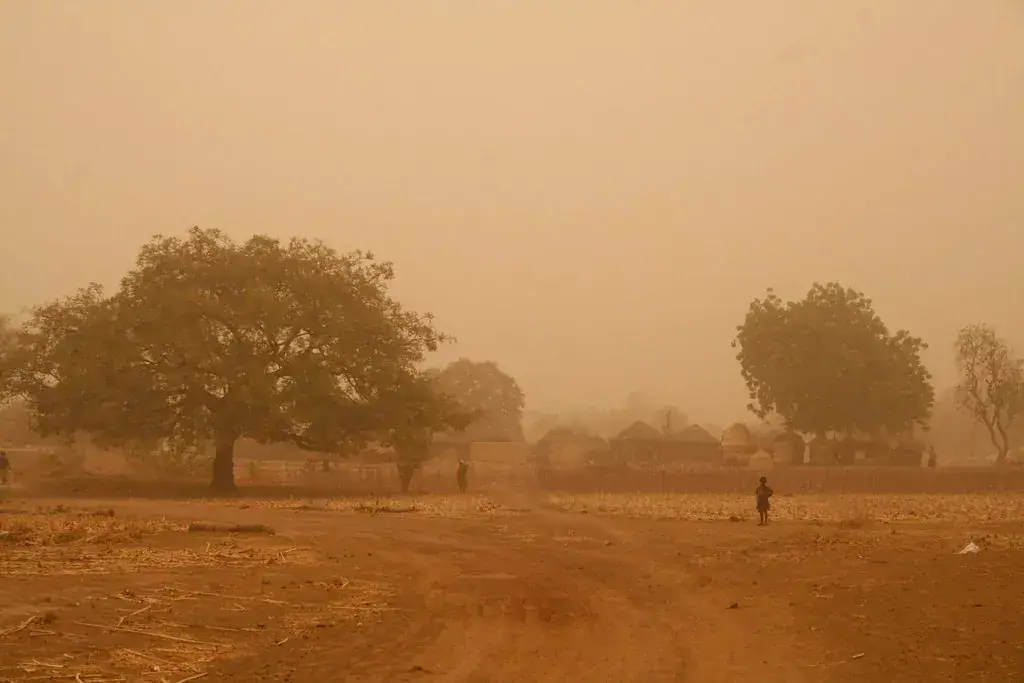
The Ghana Meteorological Agency (GMet) has issued a warning that the country is expected to experience a harsher-than-usual Harmattan season from late November. According to GMet's latest seasonal outlook, the dry season, which is expected to begin in late November 2026 and continue through March 2027, could bring more challenging weather conditions. These conditions may have effects on health, agriculture, water supply, and daily activities across parts of Ghana.
GMet's outlook indicates that most parts of the country are likely to record below-normal rainfall through December, alongside warmer-than-average temperatures. However, some areas, particularly parts of the Central, Greater Accra, Volta, Eastern, Bono, Savannah, and Upper West regions, could experience periods of above-normal rainfall. This variation in rainfall is expected to bring different challenges to various parts of the country.
The agency cautioned that the expected dry conditions do not rule out sudden heavy rainfall, which could trigger localized flooding, particularly in parts of southern Ghana. This flooding could be a significant concern for communities in flood-prone areas, including those along the Volta Basin. Residents in these areas are advised to remain alert and follow weather and safety advisories issued by relevant authorities.
The anticipated increase in dry and dusty conditions could also heighten the risk of bushfires, worsen water shortages, and place additional pressure on crops and livestock. Communities in northern Ghana may face an increased risk of meningitis during the dry season. These potential health and environmental impacts highlight the need for preparedness and preventive measures.
Farmers have been advised to seek guidance from GMet and the Ministry of Food and Agriculture when planning their activities. They are encouraged to consider early-maturing and drought-tolerant crop varieties and avoid practices such as bush burning that could worsen fire risks. By taking these precautions, farmers can reduce the potential impacts of the dry season on their livelihoods.
Residents have also been urged to conserve water, stay hydrated, and take precautions against dust exposure, particularly during periods of strong winds. People who spend extended periods outdoors should take steps to protect themselves from the dry conditions. This includes wearing protective clothing and masks to minimize the risks associated with dust and dry air.
GMet will continue monitoring weather conditions and providing regular updates to support planning and preparedness during the season. The agency will issue ten-day agricultural weather bulletins to help farmers and other stakeholders make informed decisions. By staying informed and taking proactive measures, communities can mitigate the potential impacts of the harsher-than-usual Harmattan season.
Key points
- Ghana faces a harsher-than-usual Harmattan season with drier and dustier conditions.
- The dry season may bring localized flooding, bushfires, and water shortages.
- Communities are advised to take precautions, including conserving water and protecting themselves from dust exposure.