The Ghana Journalists Association (GJA) is pursuing a parliamentary bill to establish a basic minimum wage for journalists, aiming to improve their economic welfare, job security, and working conditions across Ghana's media industry. GJA President Albert Dwumfour announced that the association's national leadership is engaging with Parliament to introduce a private member's bill that would set minimum remuneration standards for journalists in both state-owned and privately owned media organizations.
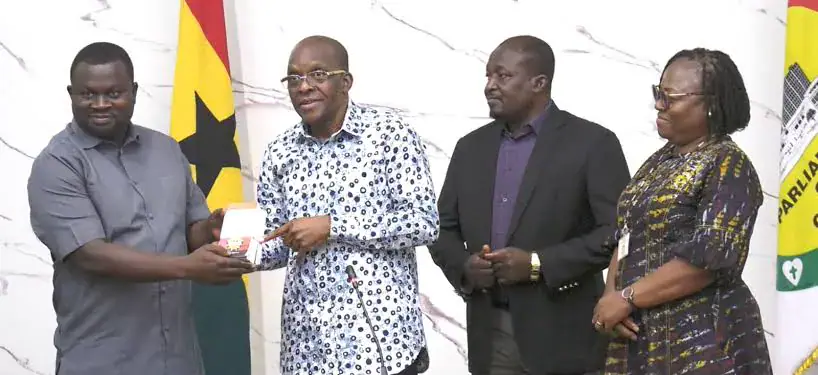
According to Mr. Dwumfour, discussions with parliamentary authorities are progressing, with the proposed legislation expected to be part of broader efforts to strengthen journalists' welfare, professional independence, and workplace safety. The association has engaged with the Speaker of Parliament and other parliamentary leaders to explore a collaborative approach to sponsoring the bill, emphasizing the need for legal provisions that would ensure journalists receive a basic minimum wage.
The proposed legislation seeks to address persistent economic difficulties confronting media practitioners while establishing a stronger framework for improving their conditions of service throughout the industry. Mr. Dwumfour expressed concern about the circumstances under which many Ghanaian journalists work, citing inadequate salaries, employment insecurity, and shortages of essential working equipment as challenges that could undermine professional standards and the quality of news reporting.
Mr. Dwumfour warned that journalists facing financial hardship could find it increasingly difficult to resist inducements, withstand external interference, and maintain the independence required to discharge their professional responsibilities effectively. He stressed that improving journalists' economic circumstances is not just a welfare concern but also has significant implications for professional integrity, media independence, and national security.
The GJA president argued that it is unreasonable to demand high professional standards from journalists while overlooking the financial pressures and institutional challenges confronting many practitioners. He noted that poor pay, uncertain employment arrangements, inadequate equipment, limited opportunities for professional advancement, and difficult workplace conditions could collectively weaken the quality of journalism and leave media practitioners vulnerable to inappropriate influence.
The association has begun engaging relevant stakeholders on practical measures to improve journalists' welfare and strengthen their working conditions. Mr. Dwumfour reaffirmed the GJA's commitment to advancing better conditions of service while encouraging journalists to uphold professional ethics, demonstrate responsibility, and remain dedicated to producing accurate, credible, and high-quality journalism.
The proposed private member's bill represents an effort by the association to place journalists' remuneration and working conditions more firmly on the national legislative agenda. Although its introduction, provisions, and eventual passage depend on the parliamentary process, the GJA is pushing for a collaborative approach to develop lasting solutions to the challenges confronting the profession.
Key points
- The Ghana Journalists Association is seeking a parliamentary bill to guarantee a minimum wage for journalists.
- The proposed legislation aims to improve journalists' economic welfare, job security, and working conditions.
- The bill's introduction and passage will depend on the parliamentary process.