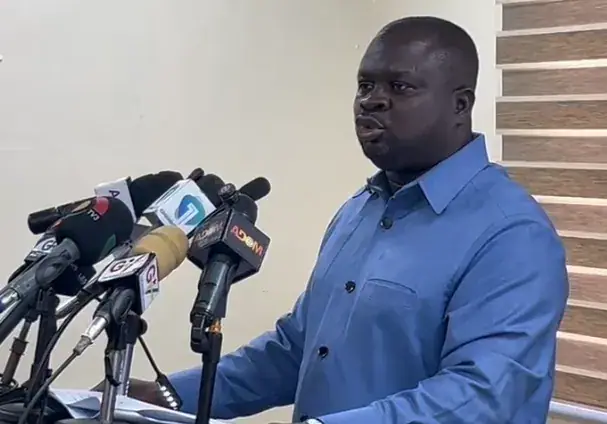
The Ghana Journalists Association (GJA) is taking steps to improve the working conditions of journalists in Ghana by engaging Parliament to sponsor a private member's bill aimed at establishing a basic minimum wage for journalists. This move is part of the association's efforts to enhance the welfare, safety, and professional independence of media practitioners. GJA President Albert Dwumfour announced this development at the Ashanti Media Excellence Awards in Kumasi.
According to Mr. Dwumfour, the proposed legislation would apply to both state-owned and privately owned media organisations, ensuring that all journalists have a basic minimum wage. He expressed concern about the difficult working conditions confronting many journalists, including poor remuneration, job insecurity, inadequate working tools, and limited opportunities for professional development. These challenges, he noted, could affect the quality of journalism and make some practitioners more vulnerable to inducements and external pressure.
The GJA president stressed that improving journalists' welfare goes beyond employment benefits, arguing that decent working conditions are essential to protecting professional integrity and media independence. He emphasized that expectations of professionalism and excellence should be matched with fair remuneration and adequate resources. The association has already held discussions with the Speaker of Parliament and parliamentary leadership to explore collaboration on the proposed bill.
Mr. Dwumfour highlighted the importance of recognising that poor remuneration, job insecurity, and difficult working conditions can undermine the quality of journalism and expose practitioners to undue pressure. He urged media organisations and other stakeholders to acknowledge the need for fair remuneration and adequate resources to ensure that journalists can work professionally and independently.
The GJA has begun engaging relevant stakeholders, including media owners, employers, regulators, and government institutions, to identify practical ways of improving conditions within the industry. This engagement aims to ensure that the proposed legislation is effective and feasible. The association is committed to pursuing measures to enhance journalists' welfare while urging practitioners to uphold professionalism, responsibility, and high standards in their work.
The proposed minimum wage legislation is part of the GJA's broader efforts to improve the working conditions of journalists in Ghana. The association believes that this move will not only enhance the welfare of journalists but also contribute to the overall quality of journalism in the country. By engaging Parliament and other stakeholders, the GJA is working to create a more sustainable and equitable media environment.
The GJA's efforts to improve journalists' welfare have been welcomed by various stakeholders, including media owners and regulators. The association's commitment to upholding professionalism and high standards in journalism has also been commended. As the proposed legislation moves forward, it is expected to have a positive impact on the lives of journalists in Ghana and the quality of journalism in the country.
Key points
- The Ghana Journalists Association is pushing for minimum wage legislation to improve the working conditions of journalists.
- The proposed legislation would apply to both state-owned and privately owned media organisations.
- The GJA believes that decent working conditions are essential to protecting professional integrity and media independence.