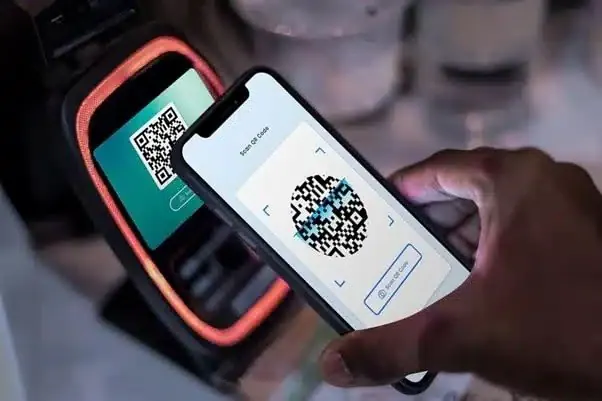
Ghana has joined Kenya and Rwanda in piloting a digital wallet called MasterKey, designed to let individuals obtain, hold, and share verified evidence of their qualifications and work experience. This system aims to widen job opportunities for young people across Africa by making their credentials verifiable across borders. The digital wallet will enable users to hold a digital record that can be checked and trusted across countries.
The MasterKey digital skills passport is expected to change how job-seekers prove their qualifications, particularly in cases where employers struggle to authenticate paper certificates. With this digital record, a Ghanaian nursing graduate, tradesperson, or IT technician could apply for a job in Nairobi or Kigali, and employers can instantly confirm their qualifications and work history. This system is especially relevant for Ghanaian graduates and skilled workers looking beyond the country's borders for jobs and study opportunities.
The pilot program comes at a time when Ghanaian workers face challenges in seeking opportunities abroad. Recently, the United Kingdom removed Ghana from its fast-track teacher visa route due to email verification checks, while Germany requires Ghanaian students to show a blocked account of €11,904 before granting study visas. A verifiable digital credentials system could remove one layer of friction, making it easier for Ghanaian applicants to have their certificates and work history verified.
Kenyan President William Ruto announced the pilot program, which will involve Kenya, Ghana, and Rwanda. However, details on the implementation timeline, local eligibility criteria, and institutions that will issue or verify credentials on the platform are yet to be disclosed. The Ministry of Employment and Labour Relations and the National Board for Professional and Technician Examinations (NABPTEX) in Ghana have not provided comments on the matter.
The MasterKey digital wallet is designed to provide a secure and trusted way for individuals to share their qualifications and work experience. This system could potentially benefit not only Ghanaian job-seekers but also employers and recruiters who often face difficulties in verifying the authenticity of paper certificates. By having a digital record, employers can quickly confirm the qualifications and work history of applicants.
While the pilot program has been announced, no official date has been set for when Ghanaian workers or job-seekers will be able to sign up for MasterKey. Eligibility criteria have also not been published, and it is unclear whether the pilot is currently live, in testing, or awaiting further agreements between the three governments.
The introduction of the MasterKey digital skills passport is a significant development in the effort to facilitate the verification of qualifications and work experience across borders. If successful, this system could have a positive impact on job opportunities for young people across Africa. Key stakeholders will be watching closely as the pilot program unfolds.
Key points
- The MasterKey digital wallet aims to provide a secure and trusted way for individuals to share their qualifications and work experience across borders.
- The pilot program involves Kenya, Ghana, and Rwanda, with the goal of widening job opportunities for young people across Africa.
- The digital skills passport could remove layers of friction in verifying qualifications and work history for Ghanaian job-seekers looking for opportunities abroad.