The Motor Traffic and Transport Department (MTTD) in Ghana has introduced a new digital enforcement system called TraffiTech-GH, which will monitor drivers nationwide using cameras. The system, which took effect on November 1, 2026, aims to reduce road crashes by enforcing speed limits. According to ACP Alexander Kwaku Obeng, the MTTD's Director of Education, Research and Training, the initial enforcement will focus on three key speed limits.
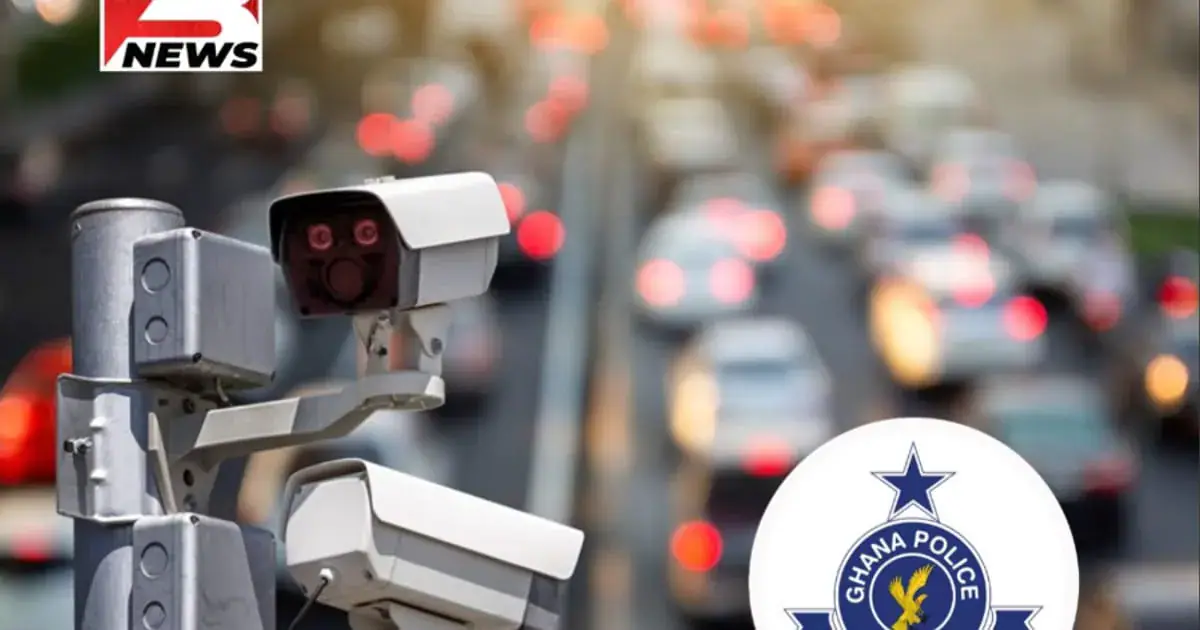
The three key speed limits that drivers must obey to avoid an electronic violation notice are 50 kilometres per hour (km/h) in towns, 90 km/h on highways, and 100 km/h on motorways. Cameras mounted in police vehicles and on tripods will capture vehicles that exceed these limits, initially at locations identified as prone to road crashes. The MTTD will process the footage and send electronic violation notices by text message to the phone numbers of vehicle owners registered with the department.
The electronic violation notices will carry the sender identification GPS MTTD and include a link to video evidence of the alleged offence, showing the date, time, and location. Recipients will have 14 days to either pay the prescribed fine or contest the offence in court. ACP Obeng stated that the MTTD had engaged transport stakeholders and conducted public education ahead of the rollout, adding that many operators preferred the digital process.
The launch of TraffiTech-GH comes amid a threat by commercial transport operators to suspend services nationwide from November 1 in protest against the system. However, ACP Obeng said that the MTTD had addressed concerns and many operators preferred the digital process because it would spare drivers the inconvenience of arrest. The system is expected to begin operating on November 1, with speeding enforcement as its initial focus.
Drivers are urged to keep within the three limits, as a notice may reach their phones without a police officer ever flagging them down. The new approach will allow police to gather evidence without necessarily stopping drivers, impounding vehicles, or taking motorists to police stations and motor courts. This digital system will operate alongside the manual approach, although the department intends to reduce roadside arrests for speeding offences.
ACP Obeng stressed that TraffiTech-GH was designed specifically to address speeding and would not replace the existing manual enforcement of other road traffic offences. The system will enable the MTTD to efficiently monitor and enforce speed limits, reducing the risk of road crashes. By using technology, the department aims to improve road safety and reduce the burden on drivers.
The introduction of TraffiTech-GH marks a significant step in Ghana's efforts to improve road safety. With the system now in operation, drivers must be aware of the new speed limits and the consequences of exceeding them. The MTTD's efforts to engage with transport stakeholders and conduct public education ahead of the rollout have helped to address concerns and ensure a smooth implementation of the system.
Key points
- The new speed limits in Ghana are 50km/h in towns, 90km/h on highways, and 100km/h on motorways.
- The TraffiTech-GH system will use cameras to capture vehicles exceeding speed limits and send electronic violation notices to vehicle owners.
- The system aims to reduce road crashes and improve road safety in Ghana.