Ghana's government has introduced a new SMS spot-fine system, Traffitech-GH, aimed at reducing the country's high rate of road crashes and fatalities. In 2025, road crashes killed 2,949 people, up from 2,494 the previous year, while serious injuries rose to 16,714. The system, which uses cameras and handheld devices to catch traffic offenders, will start fining motorists by text message on November 1, 2026. The initiative has been in the works since 2008, with entrepreneur Frank Osei's Nationwide Technologies playing a key role.
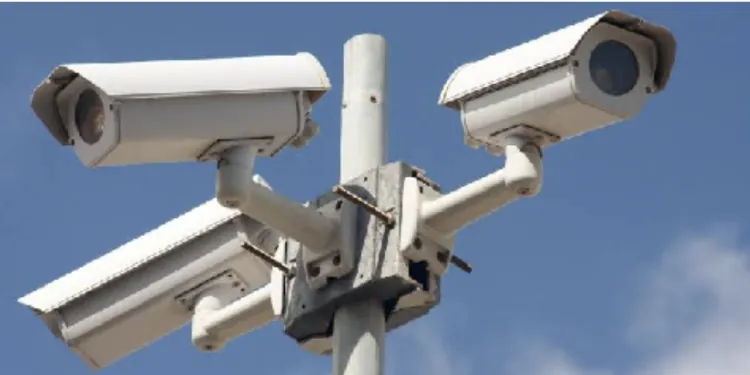
The Traffitech-GH system will use fixed cameras at 34 hazardous junctions, in-vehicle cameras, and handheld laser cameras to record offences such as speeding, jumping red lights, and other traffic violations. The registered owner of the vehicle will receive an SMS with the fine and 14 days to pay. The fine amounts range from GH¢120 for the first three offences to GH¢180 and GH¢240 for subsequent offences. A sixth offence within 24 months can lead to a court case and licence suspension for at least a year.
The system is a public-private partnership between the Ghanaian government and Nationwide Traffic Management & Enforcement Limited (NTMEL), a company set up by Frank Osei in 2008. NTMEL has partnered with Swedish company Sensys Gatso, which will supply the cameras and software. The revenue generated from fines will be split 40% to the private party and 60% to the government. Sensys Gatso expects to earn from hardware sales and licence fees on top of its share of profits.
The implementation of the Traffitech-GH system has had a bumpy ride, with several delays and changes in government. The project was first proposed in 2008, but it wasn't until 2022 that a public-private partnership agreement was signed. The agreement, worth GH¢77.73 million, will run for 11 years. Caution notices were sent to drivers starting in June 2024, with over 120,000 notices sent by the end of 2025.
The Road Traffic (Amendment) Act, passed in December 2025, mentions automated enforcement, and regulations passed in 2026 outline the details of the system, including owner liability, daily surcharges, and licence penalties. The contract was signed three years before the state had the regulations to levy fines, raising questions about the project's planning and execution.
The Board of NTMEL is split between Ghanaian and Swedish interests, with Lewis H. Miller, CEO of Sensys Gatso Group, and Timo Gatsonides, one of Sensys Gatso's largest shareholders, holding two of the four director positions. The managing director of NTMEL, Edmar van der Weijden, is also managing director of Sensys Gatso International. A former Sensys Gatso CEO is registered as a beneficial owner of NTMEL with the right to appoint and remove directors.
The introduction of the Traffitech-GH system has raised concerns about corruption and the potential for abuse. The system's commercial nature has also raised questions about the motivations behind the project. While the government hopes to reduce road carnage, critics argue that the system may unfairly target certain groups of drivers. The success of the system will depend on its implementation and the government's ability to address these concerns.
Key points
- The Traffitech-GH system aims to reduce Ghana's high rate of road crashes and fatalities.
- The system uses cameras and handheld devices to catch traffic offenders and will fine motorists by text message.
- The project is a public-private partnership between the Ghanaian government and Nationwide Traffic Management & Enforcement Limited (NTMEL).