The Ghana Infrastructure Investment Fund (GIIF) is planning to develop the Volta Lake corridor into a business and industrial hub. This development aims to create jobs, boost trade, and support low-carbon economic growth. The proposed development would connect northern and southern Ghana, improving access to ports for landlocked Sahelian countries. It would also attract investments in renewable energy, climate-friendly transportation, sustainable agriculture, and manufacturing.
Nana Dwemoh Benneh, Chief Executive Officer of GIIF, stated that the Fund is exploring opportunities to develop the corridor as a net-zero economic zone. This would involve investments in agro-processing parks, climate-smart commercial farming, light manufacturing, and multimodal transportation. The development would link agricultural production areas in the north to markets and industrial centers in the south. It would also strengthen trade connections with neighboring countries.
The proposed transport system would combine road and water transport, with greater use of the Volta Lake. This would reduce reliance on road transportation and its associated carbon emissions. Renewable energy, particularly solar power, would be considered to provide electricity for industrial and commercial activities. Local pharmaceutical manufacturing is another potential investment area. This could reduce the environmental costs associated with transporting medicines from distant markets.
The development would seek to ensure that young people and small businesses benefit from the opportunities created. GIIF is working with commercial banks and other financial institutions to explore concessional financing for small and medium-sized enterprises (SMEs). Technical assistance and training would help entrepreneurs adopt more climate-friendly production methods. The Fund is also exploring grant financing to support alternative livelihoods for communities whose economic activities contribute to the depletion of natural resources.
Nana Benneh cited mangrove degradation as an example of communities depending on ecosystems for their livelihoods. This contributes to pressure on the forests. Alternative income-generating activities, including aquaculture, could help improve livelihoods while protecting mangroves and their ecological benefits. The GIIF Chief Executive noted that the Fund's recent accreditation as a Direct Access Entity of the Green Climate Fund (GCF) would strengthen its capacity to mobilize resources for such projects.
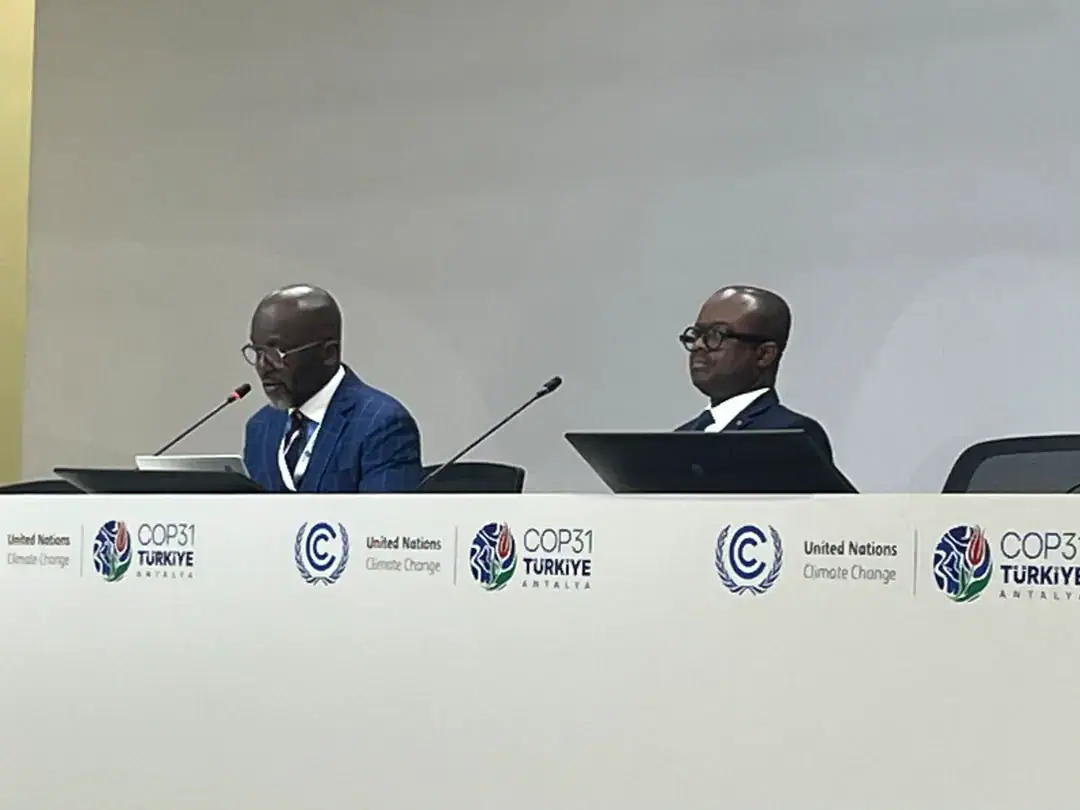
The accreditation allows GIIF to submit eligible climate investment proposals directly to the GCF. This would give the Fund access to grants, concessional financing, and other financial instruments to support Ghana's climate-resilient infrastructure priorities. Mr. Kwadwo Kwakye Gyan, Technical Director of GIIF, stated that the priority is to translate the accreditation into investment-ready projects capable of attracting climate finance.
The success of the initiative would ultimately be measured by the climate finance mobilized, investments facilitated, and tangible benefits delivered to communities. Ghana has made commitments under the Paris Agreement through its Nationally Determined Contributions. However, their implementation requires substantial investment in infrastructure, energy, agriculture, and other sectors. The GCF accreditation would strengthen the country's ability to turn those commitments into practical development projects.
Key points
- GIIF explores plans to develop Volta Lake corridor into business hub
- Development aims to create jobs, boost trade, and support low-carbon economic growth
- GIIF accredited as Direct Access Entity of Green Climate Fund
Reporting sources
- GIIF eyes Volta Lake development to create jobs, boost trade · Ghana News Agency