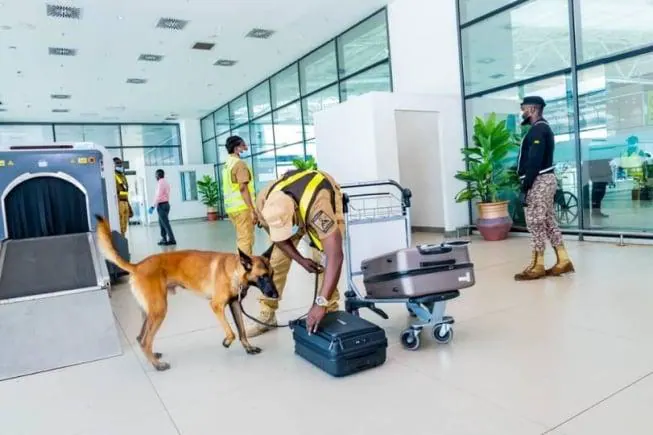
Ghana has been identified as a crucial transit and destination point for international heroin and cocaine trafficking networks. The 2025 Global Organized Crime Index reveals that heroin originates mainly from Afghanistan, while cocaine is primarily sourced from Brazil. The assessment highlights that international criminal networks exploit Ghana's maritime ports and aviation facilities to facilitate the movement of illicit drugs, catering to both domestic and international markets.
The Global Initiative Against Transnational Organized Crime's assessment assigns Ghana a heroin trade score of 5.50 and a cocaine trade score of 6.50. Heroin entering Ghana is often associated with East African nationals, with a portion consumed locally before substantial quantities are repackaged and dispatched to the United States by Ghanaian nationals. This has raised concerns about the involvement of corrupt public officials in enabling the transportation of heroin through Ghanaian seaports and airports.
The report alleges that heroin trafficking and consumption, previously concentrated in Accra and Tema, have extended into other parts of the country, including rural communities in northern Ghana. Ghanaian and Nigerian trafficking organisations are identified as influential participants in the expansion of the international heroin trade and wider illicit drug markets across West Africa. This expansion has significant implications for regional and global security.
Ghana's role in the cocaine trade is also highlighted in the assessment, which describes Ghanaian organised crime groups as significant participants in international cocaine trafficking networks. Brazil is identified as the principal source of cocaine entering Ghana by sea, with consignments frequently concealed within commercial cargo, including sugar shipments. The Port of Tema is the principal maritime entry point for such consignments, while the Port of Takoradi is another, albeit less frequently used, destination.
The report draws attention to concerns expressed by law enforcement personnel and civil society actors regarding the apparent decline in cocaine seizures and the reduced public visibility of cocaine trafficking. Stakeholders have alleged that political protection afforded to illicit markets by sections of government could be contributing to the diminished visibility of the cocaine trade and the reduction in reported seizures. These concerns underscore the need for enhanced transparency and accountability.
The 2025 Index places Ghana within a broader transnational drug trafficking environment, where the country's geographical position, commercial infrastructure, and international transportation connections are exploited by criminal networks. The assessment records an overall criminality score of 5.77 for Ghana, while assigning the country a criminal markets score of 6.03 and a criminal actors score of 5.50. State embedded actors have a score of 7.50, highlighting the complex and multifaceted nature of organised crime in Ghana.
Beyond heroin and cocaine, the Index identifies cannabis and synthetic drugs as other significant components of Ghana's illicit drug market. Cannabis cultivation and trafficking remain substantial, while synthetic drug trafficking, including the illicit movement of Tramadol and other substances, continues to pose challenges in several regions. The findings portray Ghana as both a domestic market and a strategically positioned transit location within wider international narcotics networks.
Key points
- Ghana's geographical position and commercial infrastructure make it an attractive location for international criminal networks to exploit.
- The country's ports, airports, and commercial connections provide critical infrastructure for the movement of illicit drugs.
- Corrupt public officials have been implicated in enabling the transportation of heroin through Ghanaian seaports and airports.