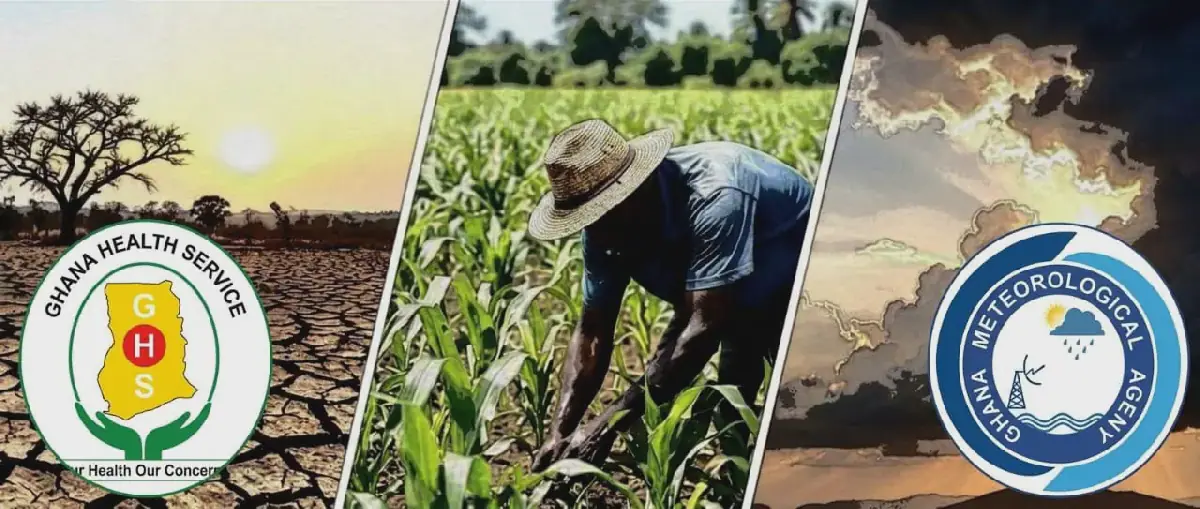
The Ghana Health Service (GHS) has issued a public alert warning about the potential health risks associated with the El Niño weather conditions. In a press release dated November 18, 2026, the GHS cautioned that high temperatures during the harmattan season could lead to increased risks of meningitis outbreaks, heat exhaustion, dehydration, and respiratory infections. The Service also warned of prolonged dry spells, increased dust levels, sudden rainfall, and flooding in parts of Southern Ghana.
The GHS urged parents, teachers, traditional leaders, religious leaders, community organisations, and local government authorities to amplify public education and promote preventive measures. The regions particularly at risk are the Northern, Upper East, Upper West, Savannah, Northeast, and Bono East. The Service encouraged early preparedness and stressed that the occurrence of El Niño does not automatically mean that there will be an outbreak of meningitis.
According to the Ghana Meteorological Agency (GMet), El Niño is a naturally recurring pattern of warming and cooling of sea-surface temperatures in the central and eastern equatorial Pacific Ocean. This phenomenon usually occurs every two to seven years and can affect temperatures and rainfall worldwide, often contributing to higher temperatures, droughts, and floods.
The GHS provided guidelines on how individuals can stay safe from the general effects of El Niño. These include staying hydrated by drinking water regularly, avoiding extreme heat, using light and loose-fitting clothing and bed linens, and cleaning hands regularly. The Service also advised against leaving children or animals in parked vehicles for any amount of time.
The public is also advised to eliminate standing water around homes and in clogged gutters, as these are breeding sites for Aedes mosquitoes that transmit dengue. Additionally, individuals are encouraged to check on vulnerable members of their families. The alert comes after the Ghana Meteorological Agency published a report on El Niño, its impact on public health, agriculture, water sources, and hydroelectric power in Ghana.
The Ghana Meteorological Agency's report highlights the potential risks associated with El Niño, including increased temperature conditions and their impact on various sectors. The Agency's definition of El Niño provides a clear understanding of this weather phenomenon.
To stay safe, the general public is advised to take precautions, including drinking at least 2-3 litres of water per day, staying in the shade, and avoiding strenuous activity during the hottest time of day. By taking these precautions and being aware of the potential health risks, individuals can reduce their chances of being affected by El Niño-related health issues.
Key points
- The Ghana Health Service has warned of potential health risks associated with El Niño, including meningitis outbreaks, heat exhaustion, and dehydration.
- The Service has urged the public to take precautions, including staying hydrated, avoiding extreme heat, and cleaning hands regularly.
- El Niño occurs every two to seven years and can affect temperatures and rainfall worldwide, often contributing to higher temperatures, droughts, and floods.
Reporting sources
- El Niño: Ghana Health Service issues public alert on possible health risks · FactSpace West Africa