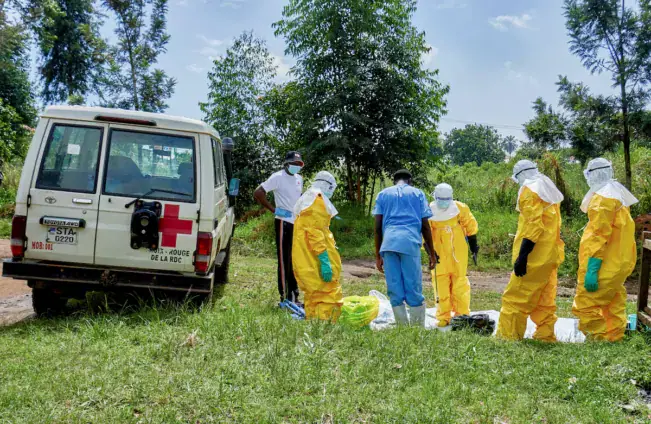
The Ghana Health Service (GHS) has issued a public health awareness message warning the public against handling sick or dead animals as part of preventive measures against Ebola Virus Disease. This is to prevent the possible spread of the deadly disease. The Service stressed the importance of vigilance and responsible handling of animals, particularly wildlife that may carry the virus.
According to the World Health Organization (WHO), Ebola can spread from infected wild animals to humans through direct contact. Animals associated with the transmission of the disease include fruit bats, monkeys, chimpanzees, gorillas, forest antelopes and porcupines. The GHS warned that handling animals that appear sick or have died under unexplained circumstances could expose individuals to infection.
The GHS has urged members of the public to immediately report sudden or unexplained animal deaths to the nearest veterinary office. This will enable veterinary authorities to investigate potential health risks and take appropriate preventive measures. Early reporting of unusual animal deaths is crucial in preventing the spread of the disease.
The public health advisory stated that individuals should never touch, move, sell or give away an animal that appears sick or is found dead. The Service encouraged residents, particularly those living in communities where hunting, wildlife trading and animal handling are common, to exercise caution and report suspicious animal deaths promptly.
Ebola Virus Disease is a severe infectious illness that can spread among humans through direct contact with the blood or other bodily fluids of an infected person, as well as contaminated materials. The disease can cause symptoms including fever, severe weakness, headache, muscle pain, vomiting and diarrhoea. In severe cases, patients may experience bleeding and organ failure.
The Ghana Health Service emphasised that public cooperation and prompt reporting of suspected risks are essential to protecting communities from infectious disease outbreaks. It encouraged individuals who encounter sick or dead animals to avoid direct contact and notify veterinary authorities rather than attempting to handle or dispose of the animals themselves.
The advisory forms part of efforts to educate the public about the risks associated with Ebola and promote behaviours that can reduce the likelihood of transmission from animals to humans. The Service urged Ghanaians to remain alert, stay informed and observe recommended preventive measures against Ebola Virus Disease.
Key points
- The Ghana Health Service warns against handling dead animals to prevent Ebola spread.
- Ebola can spread from infected wild animals to humans through direct contact.
- Public cooperation and prompt reporting of suspected risks are essential to protecting communities from infectious disease outbreaks.