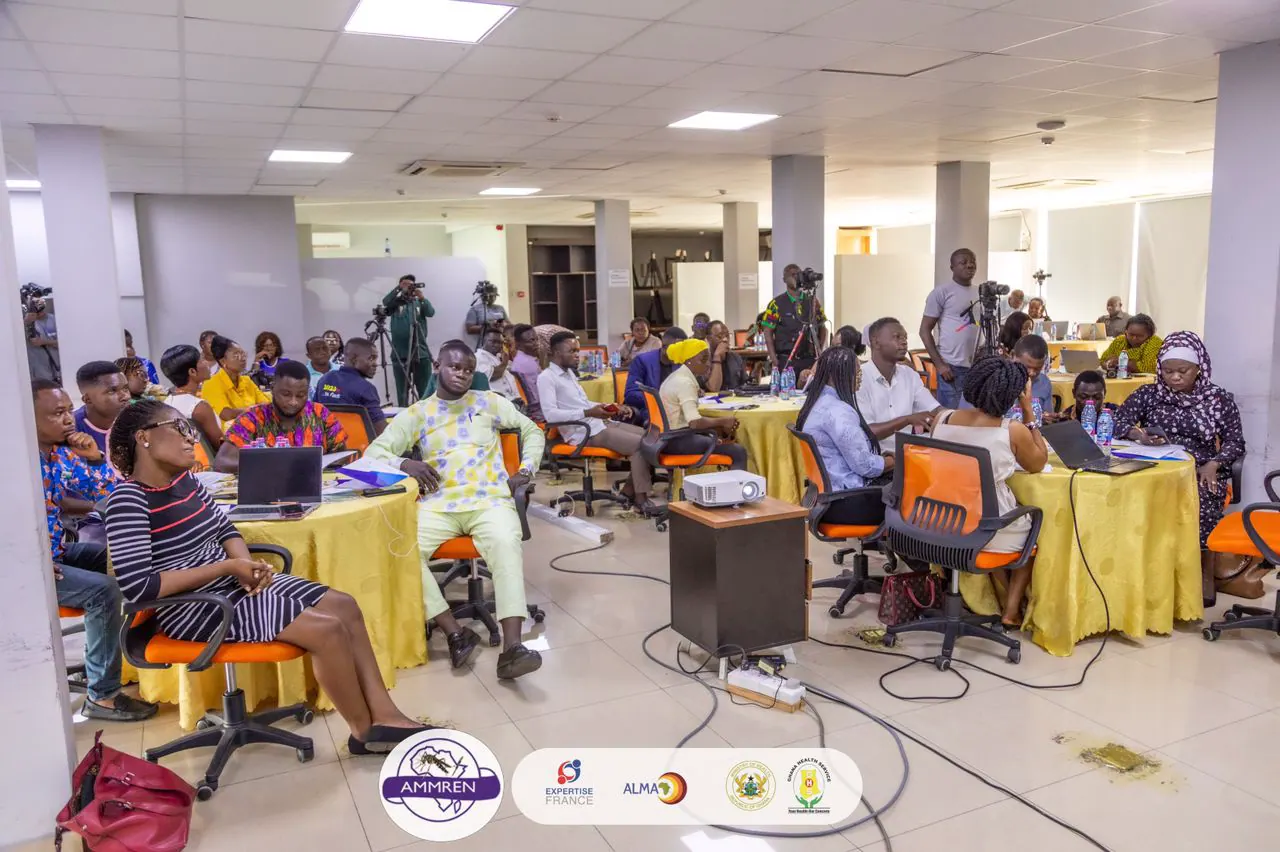
The Ghana Health Service has called on the media to play a more active role in tracking promises made under the National Community Scorecard Initiative. This initiative, launched in January 2018, is a performance-tracking tool for social accountability aimed at improving healthcare delivery and outcomes. The media is urged to go beyond just reporting health delivery outcomes and instead follow up on commitments made to communities, ensuring that they lead to better healthcare.
The National Community Scorecard Initiative is implemented quarterly, allowing community members to assess health services on nine key indicators. These indicators include respectful care, waiting time, availability of medicines, cleanliness and safety, home visits by health workers, and NHIA services. The initiative is being implemented in all 16 regions and 261 districts, with a 48-month project timeline. So far, significant progress has been made, including the training of 80 regional facilitators and 782 district officers.
Dr. Samuel Boakye-Boateng, Director of the Policy, Planning, Monitoring and Evaluation Division of the Ghana Health Service, has emphasized the importance of the media's role in this initiative. He urged journalists to "follow the action, not only the announcement," and to ask whether commitments are being honored and services have improved. This, he believes, will ensure that the initiative achieves its intended goals.
Dr. Charity Binka, Executive Secretary of the African Media and Malaria Research Network (AMMREN), also highlighted the importance of collaboration between communities, health providers, and the media. She noted that the impact of the scorecard will depend on how well community concerns reach decision-makers and the public, and how quickly issues are resolved. The media, she believes, can play a crucial role in increasing public confidence in the health system through responsible journalism and evidence-based reporting.
Despite the progress made, the Ghana Health Service has identified several key challenges that need to be addressed. These include inconsistent reporting, incomplete scoring, community fatigue, unverified data in DHIMS2, and delays in releasing funds. To address these challenges, the Service plans to conduct quarterly follow-ups, improve data validation, rank CHPS zones, and strengthen tracking of action plans.
The Ghana Health Service has outlined its plans for the next few months, which include training the remaining 1,165 CHPS zones and 88 hospitals, conducting 64 national supportive supervision exercises, and organizing 32 peer-learning workshops. These activities are aimed at ensuring the successful implementation of the National Community Scorecard Initiative and improving healthcare delivery and outcomes in Ghana.
The National Community Scorecard Initiative has the potential to significantly improve healthcare delivery and outcomes in Ghana. With the support of the media and other stakeholders, the initiative can ensure that commitments made to communities are honored and that services improve. This, in turn, can increase public confidence in the health system and ultimately lead to better health outcomes for Ghanaians.
Key points
- The Ghana Health Service urges the media to track promises made under the National Community Scorecard Initiative to ensure better healthcare delivery and outcomes.
- The initiative is being implemented in all 16 regions and 261 districts, with a 48-month project timeline.
- The Ghana Health Service has identified key challenges, including inconsistent reporting and delays in releasing funds, and plans to address them through quarterly follow-ups and better data validation.