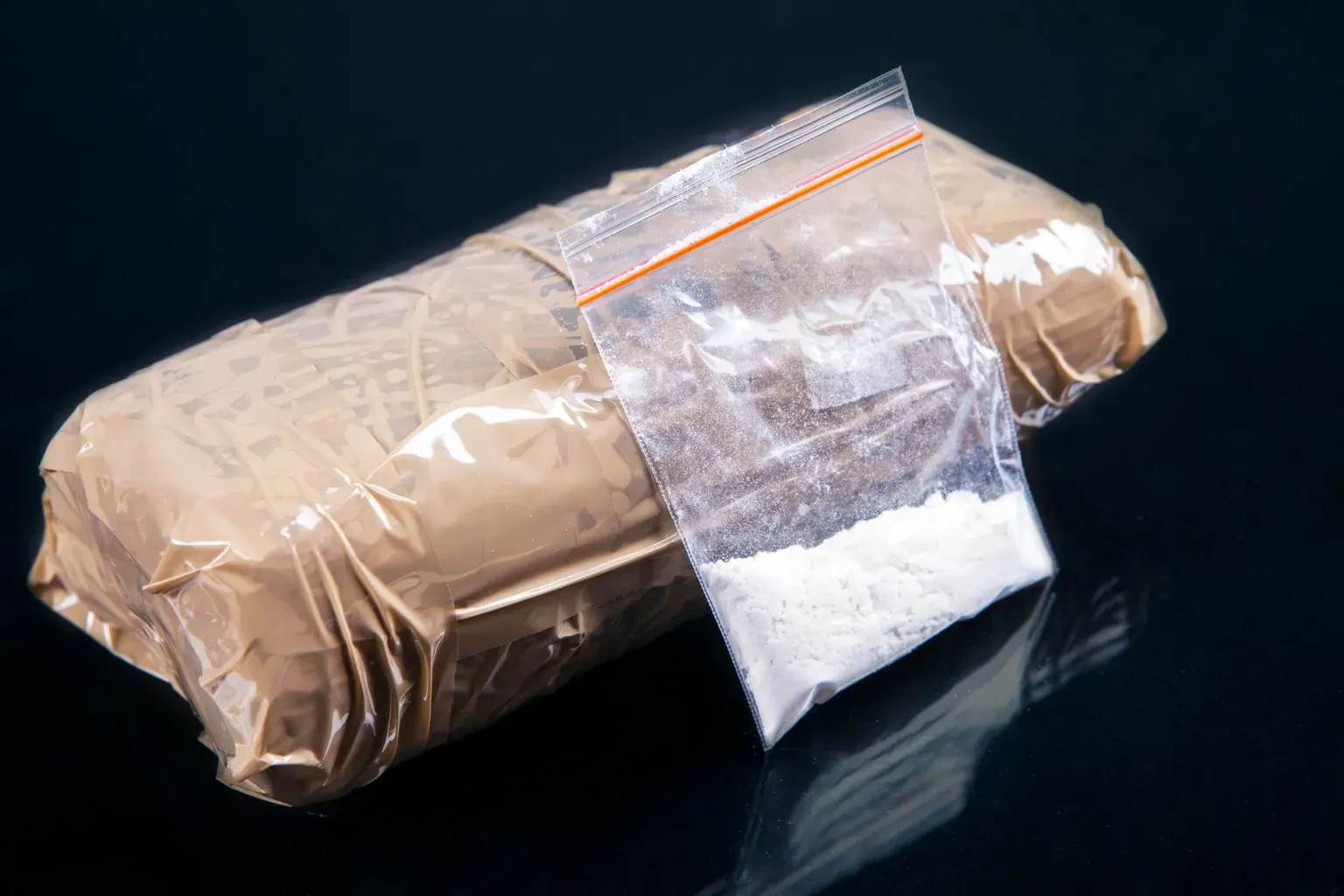
Ghana is facing a growing narcotics trafficking challenge that requires the attention of every citizen, security institutions, and the political leadership of the country. The issue is not an ordinary criminal activity, but rather a sophisticated network involving individuals, businesses, and people with access to influential positions or institutions. The consequences of such networks can affect national security, the economy, Ghana's international reputation, and the future of young people.
Over the past two years, Ghana has witnessed several significant narcotics seizures and trafficking-related incidents. One of the most significant cases occurred on 4 March 2025, when the National Intelligence Bureau intercepted a tipper truck at Pedu Junction in Cape Coast carrying approximately 3.3 tonnes of cocaine concealed beneath sand. The consignment was valued at more than US$350 million. There have also been questions surrounding other incidents connected to Ghana's maritime and aviation environment.
In January 2026, the Tema Regional Police Command intercepted 1,613 parcels of substances suspected to be narcotic drugs along the Akosombo–Tema Road. Police said the consignment was being transported from the Volta Region towards Tema and arrested two suspects. Then, on 5 August 2026, the Tema Regional Police intercepted 866 parcels of a substance suspected to be cocaine, concealed in sacks of gari at a warehouse within the Tema Harbour area.
The most recent and damning incident occurred on 17 September 2026, when French authorities arrested a suspected trafficker who had passed through Ghana's borders. The individual was found in circulated pictures standing close to President John Dramani Mahama, raising questions about official complicity. This incident, along with others, has generated public debate and deserves proper investigation to establish the facts and inform the public.
The incidents raise serious questions about how large consignments of narcotics are able to move through Ghana's territory without effective systems for detecting narcotics at ports, airports, and borders. There are also concerns about weaknesses in institutions that organised criminal networks may be exploiting. Ghana's narcotics authorities have acknowledged operational challenges, including malfunctioning airport body scanners and overcrowded detention facilities.
In response to the growing challenge, President John Dramani Mahama chaired a meeting with security chiefs on 17 September 2026, following investigations into recent drug-trafficking cases involving Ghana's port. Ten individuals, including four officers of the Customs Division of the Ghana Revenue Authority, were being held while investigations continued. The President directed the formation of an interagency task force to develop a roadmap to prevent narcotics trafficking across Ghana's borders.
The fight against narcotics trafficking requires a coordinated national response, including effective screening systems at ports and airports with functioning detection equipment, adequate surveillance of land and maritime borders, and effective inter-agency information sharing. The issue is bigger than any one political party, government, or security institution, and the consequences of inaction could be serious, including damage to Ghana's international reputation and increased threats to national and border security.
Key points
- The growing narcotics trafficking challenge in Ghana requires a coordinated national response.
- Recent incidents have raised questions about official complicity and weaknesses in institutions.
- The consequences of inaction could be serious, including damage to Ghana's international reputation and increased threats to national and border security.