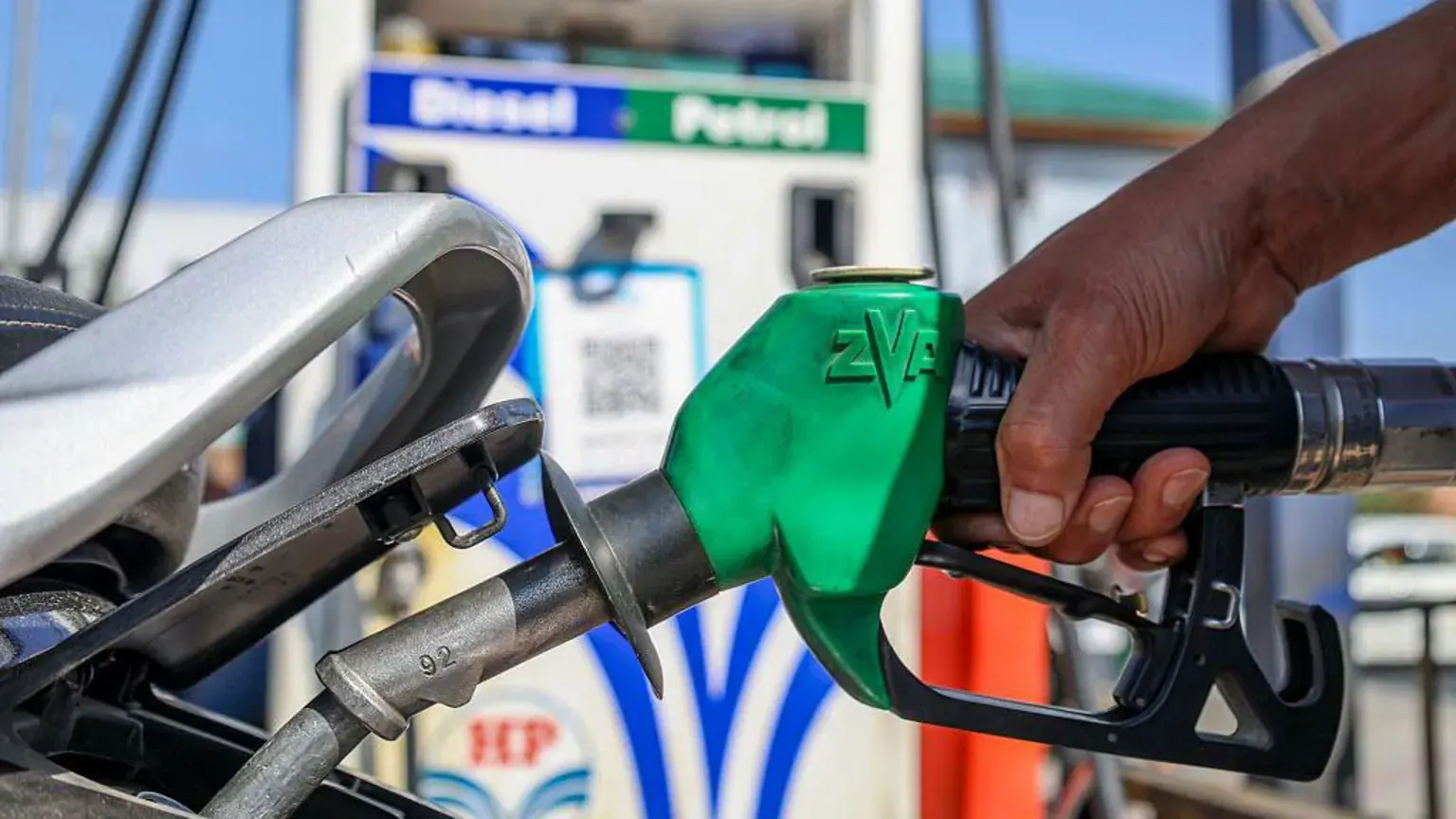
The Ghanaian government has announced plans to suspend the GH¢1-per-litre Energy Sector Shortfall and Debt Repayment Levy (D-Levy) on diesel for October and November. This move aims to cushion consumers as petroleum prices face renewed pressure from international market fluctuations. According to sources within the government, the adjustment will not change the overall value of the intervention but rather its structure. The existing GH¢2-per-litre relief for diesel consumers will be maintained.
Instead of absorbing the full GH¢2 through reductions in statutory margins, the government will now provide GH¢1 through margin reductions and the remaining GH¢1 by suspending the D-Levy. This means motorists will continue to receive a total GH¢2 reduction on every litre of diesel during the two-month period. The decision comes ahead of the first pricing window for October, with the Chamber of Petroleum Consumers (COPEC) forecasting significant increases in both petrol and diesel prices.
COPEC projects petrol to rise by 5.21%, while diesel could record a 22.91% increase from Thursday, October 1. The Chamber attributed the expected increases largely to higher international petroleum prices and a marginal depreciation of the cedi against the US dollar. As a result, the average price of diesel is projected to be about GH¢22.42 per litre, up from GH¢18.24, while petrol is expected to rise from GH¢16.90 to GH¢17.78 per litre.
The latest intervention follows earlier government measures to cushion diesel consumers, including the continuation of a GH¢2-per-litre reduction in the regulatory margin during September. This move demonstrates the government's efforts to mitigate the impact of rising fuel prices on consumers. The suspension of the D-Levy is expected to provide relief to consumers, particularly as the international market continues to experience fluctuations.
The government's decision to suspend the D-Levy and maintain the GH¢2 relief for diesel consumers is seen as a strategic move to cushion the impact of rising fuel prices. This move is expected to benefit motorists and businesses that rely heavily on diesel. The Chamber of Petroleum Consumers has been closely monitoring the situation and has been providing projections on fuel price increases.
The fuel price increases are attributed to higher international petroleum prices and a marginal depreciation of the cedi against the US dollar. The government's efforts to mitigate the impact of these increases on consumers are ongoing. The suspension of the D-Levy and the maintenance of the GH¢2 relief for diesel consumers are part of these efforts.
The government's decision to suspend the GH¢1 D-Levy on diesel for October and November has been well-received by consumers. The move is expected to provide relief to consumers as fuel prices continue to rise. The government's efforts to cushion the impact of rising fuel prices on consumers are ongoing, and this move is seen as a step in the right direction.
Key points
- The Ghanaian government has announced plans to suspend the GH¢1-per-litre Energy Sector Shortfall and Debt Repayment Levy (D-Levy) on diesel for October and November.
- The existing GH¢2-per-litre relief for diesel consumers will be maintained through a combination of margin reductions and the suspension of the D-Levy.
- COPEC projects significant increases in both petrol and diesel prices, with diesel expected to record a 22.91% increase from Thursday, October 1.