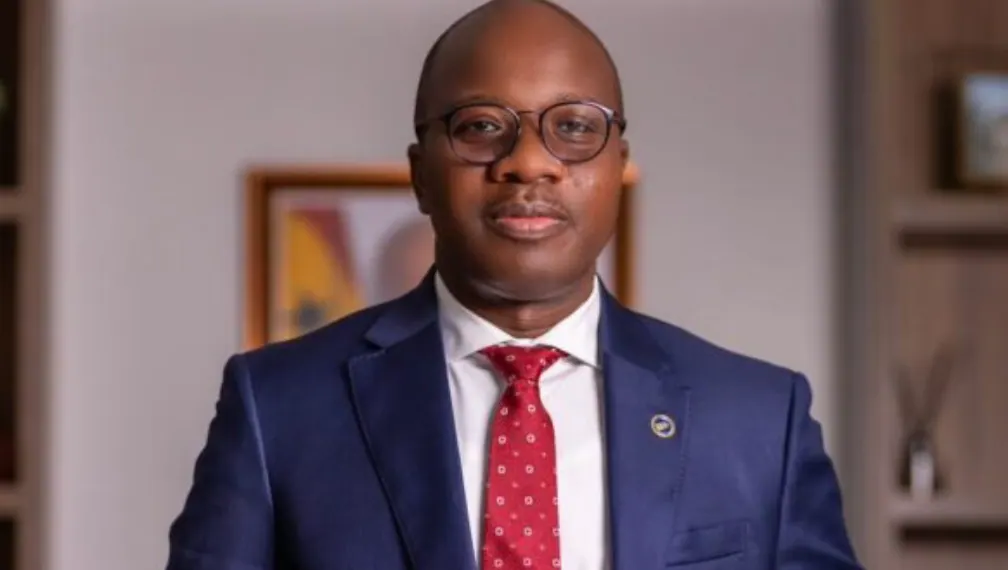
The Ghanaian government has announced plans to recalibrate the country's property rates regime, according to Minister for Local Government, Chieftaincy and Religious Affairs, Mahama Ayariga. The move aims to enable metropolitan assemblies, municipalities, and districts to receive adequate financing, allowing them to effectively provide services to their constituents. Ayariga disclosed that he is in discussions with President John Mahama and the Minister of Finance to implement the new system.
Ayariga expressed concerns about the existing property rates regime, citing inefficiencies, inconvenience to property owners, and corruption. He noted that some Local Government staff intentionally hinder the system's effectiveness for personal gain, with collected funds often ending up in private pockets. To address these issues, the government plans to introduce a centrally controlled mechanism for collecting property rates, eliminating cash transactions and replacing them with electronic payments through MTN momo and bank transfers.
The new system is designed to promote service provision at the local level, encouraging property owners to pay their due rates in exchange for essential services. Ayariga emphasized that minimal force will be needed to enforce compliance, as citizens will be more likely to pay their rates when they see their local government authorities providing them with the services they need. This approach is expected to increase revenue collection and improve the overall efficiency of local governance.
Urban mobility is another key challenge facing Ghana's cities, according to Ayariga. To address this issue, President John Mahama recently approved the trial of a contraflow system, which has successfully facilitated the rapid movement of thousands of commuters during peak hours using Bus Rapid Transport (BRT) "Ayalolo" buses. The President is scheduled to meet with stakeholders on October 7 to review the trial's success and provide directives on sustaining the exercise permanently.
Ayariga expressed confidence that the contraflow system will become a permanent solution for urban mobility in Ghana's congested cities. He noted that the system has already shown promising results and will continue to be implemented until alternative solutions for easy mobility are developed. The government's efforts to improve urban planning and transportation infrastructure aim to enhance the overall quality of life for Ghanaian citizens.
The Minister for Local Government, Chieftaincy and Religious Affairs emphasized the importance of collaboration with development partners to ensure a smooth transition to the new property rates regime. Ayariga stated that his ministry is engaging with various stakeholders to guarantee that everyone is properly aligned with the government's objectives. This collaborative approach is expected to facilitate a successful implementation of the new system.
The Government Accountability Series, where Ayariga made these announcements, aims to promote transparency and accountability in governance. The Minister's statements reflect the government's commitment to addressing the challenges facing local governance and urban development in Ghana. The success of these initiatives will depend on effective implementation and collaboration among stakeholders.
Key points
- The Ghanaian government plans to introduce a centrally controlled mechanism for collecting property rates, eliminating cash transactions and reducing corruption.
- The new property rates regime aims to boost local government financing and improve service provision.
- The contraflow system, approved by President John Mahama, has shown promising results in addressing urban mobility challenges in Ghana's cities.