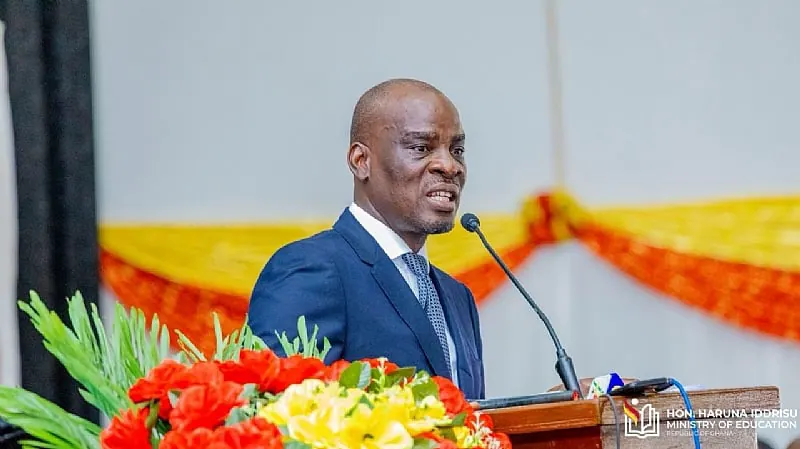
The Government of Ghana has announced plans to develop a sustainable policy for the development and use of Ghanaian Sign Language (GSL) in the country's education system. This move aims to address one of the most important issues in deaf education in Ghana. The policy will be developed in collaboration with stakeholders to formally recognise and institutionalise GSL. This initiative was announced by Mr Haruna Iddrisu, the Minister of Education, at a dialogue on “Strengthening Quality Multilingual Inclusive Education for Deaf Learners in Ghana” in Accra.
Mr Iddrisu emphasized that Ghanaian Sign Language is not just a communication technique for many deaf Ghanaians, but a language through which they express themselves, develop their identity, and participate fully in society. The Government recognises the need for a clear and sustainable policy framework for the development and use of GSL in education. This framework will be aligned with Ghana's constitutional, legal, and international commitments and will be evidence-based, inclusive, and carefully coordinated.
The Minister outlined eight key areas that the policy will address, including the standardisation and development of GSL and the documentation of appropriate terminology, such as academic and scientific vocabulary. Other areas will include the preparation of teaching and learning materials and the training and certification of sign language teachers and interpreters. The policy will also incorporate sign language competencies into relevant teacher education programmes.
The policy will ensure the recruitment and deployment of appropriately trained personnel and provide for accessible assessment practices. It will also strengthen bilingual and multilingual approaches to teaching deaf learners and ensure systematic monitoring of learning outcomes. Mr Iddrisu stressed that the recognition of GSL must translate into real educational opportunities and improved learning outcomes rather than remain a policy declaration.
The Minister highlighted the importance of multilingual education in Ghana, given the country's linguistic diversity. For deaf learners, multilingualism should recognise the role of Ghanaian Sign Language alongside written and spoken languages encountered in school and society. The Government is advocating an approach that enables deaf learners to develop strong foundational competencies in GSL while progressively acquiring literacy in written English and other languages relevant to their communities and educational pathways.
Mr Iddrisu noted that children learn best when they understand and actively participate in the learning process, hence the need to prioritise participation. The ultimate measure of success should not be the number of learners with disabilities enrolled in school, but whether they are learning, reading, and communicating effectively. This should also be based on acquiring numeracy and digital skills, progressing through the education system, and gaining skills for further education, employment, and independent living.
The development of this policy is a significant step towards inclusive education in Ghana. By recognising and institutionalising GSL, the government aims to provide deaf learners with equal opportunities to succeed in their educational journey. The policy's success will depend on its effective implementation and the collaboration of all stakeholders involved.
Key points
- The Ghanaian government plans to develop a policy for Ghanaian Sign Language in education to improve learning outcomes for deaf learners.
- The policy will address key areas such as standardisation of GSL, teacher training, and accessible assessment practices.
- The government aims to provide deaf learners with equal opportunities to succeed in their educational journey through this policy.