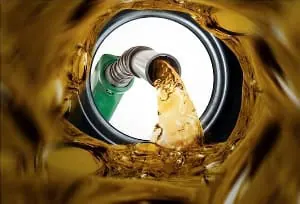
The Ghanaian government has announced that it will continue to provide a GH¢2-per-litre subsidy on diesel for the months of October and November. This move aims to ease the impact of rising fuel prices on consumers. The subsidy will be funded through a combination of reductions in statutory margins and the suspension of the GH¢1-per-litre Energy Sector Shortfall and Debt Repayment Levy (D-Levy) on diesel.
According to the Chamber of Petroleum Consumers (COPEC), fuel prices are expected to increase significantly during the first pricing window for October. Petrol prices are projected to rise by 5.21%, while diesel prices could increase by 22.91% from October 1, 2026. This would result in a price increase of GH¢0.88 per litre for petrol and GH¢4.18 per litre for diesel.
Under the new arrangement, GH¢1 of the relief will come from reductions in statutory margins, while the remaining GH¢1 will come from the suspension of the D-Levy. This move is expected to provide relief to consumers who have been affected by the rising fuel prices. The government has been working to mitigate the impact of fuel price increases on consumers and the economy.
The price of petrol is expected to rise from GH¢16.90 to GH¢17.78 per litre, while diesel is expected to increase from GH¢18.24 to GH¢22.42 per litre. The increase in fuel prices has also led to an 8% increase in transport fares, following weeks of consultations between the Ministry of Transport and major transport unions.
The transport fare increase is the first since October 2025, despite proposals and negotiations between stakeholders over fare adjustments. The rising fuel prices, operating costs, and spare parts prices were cited as reasons for the fare increase. The government and transport unions have been working together to find a solution to the rising costs.
In 2025, the government implemented a GH¢1 fuel levy on petroleum products under the Energy Sector Levies (Amendment) Act. The levy was intended to address energy-sector shortfalls, reduce legacy debts, and stabilize power supply across the country. However, there have been concerns about the use of the revenue generated from the levy.
President John Dramani Mahama stated that the revenue from the levy would be used to purchase fuel to ensure a stable power supply and reduce the use of liquid fuel in the energy mix. He assured Ghanaians that funds generated from the levy would undergo regular audits to ensure accountability and transparency.
Key points
- The Ghanaian government has extended a GH¢2-per-litre subsidy on diesel for October and November to cushion consumers against rising fuel prices.
- The subsidy will be funded through a combination of reductions in statutory margins and the suspension of the GH¢1-per-litre Energy Sector Shortfall and Debt Repayment Levy (D-Levy) on diesel.
- The increase in fuel prices has led to an 8% increase in transport fares, following weeks of consultations between the Ministry of Transport and major transport unions.