Fishing associations, coastal communities, and civil society organisations in Ghana have urged the government to immediately halt further progression of the reported offshore gold exploration by GoldCoast Resource Corp. The groups are concerned about the scale of the operation and its potential implications for fisheries and coastal livelihoods. They claim that the reported granting of 10 contiguous Offshore Reconnaissance Licences to the company warrants urgent scrutiny.
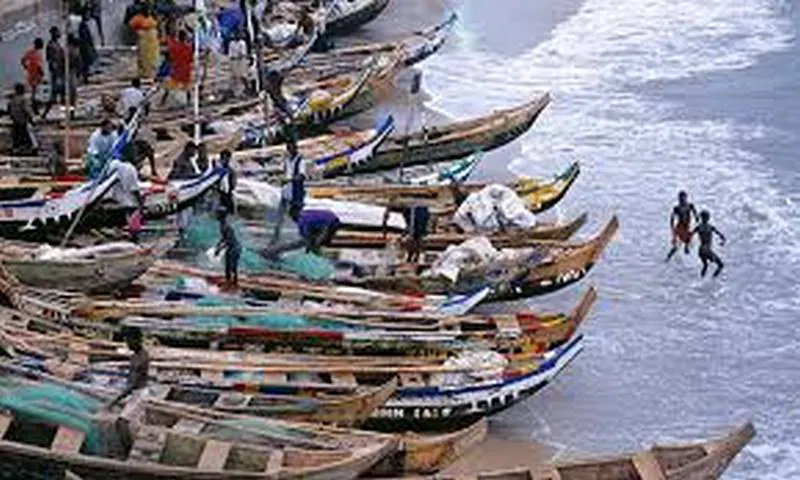
The licensed area reportedly covers approximately 10,000 square kilometres of Ghana's western offshore area, stretching about 300 kilometres from Half Assini towards Winneba. This marine environment supports thousands of artisanal fishers, fish processors, traders, and other businesses dependent on the sea. The groups recognise Ghana's right to develop its mineral resources but are concerned about the size and location of the reported licences and what the exploration could eventually lead to.
The groups have raised concerns about reported activities, including geophysical surveys, bathymetric and seismic investigations, coring, and sediment sampling, as well as the possibility of future prospecting and shallow-water dredging. They stress that a reconnaissance licence is not the same as a mining lease or an authorisation for commercial extraction. However, they believe that allowing the project to progress without first addressing the environmental, fisheries, and livelihood implications could expose fishing communities and marine ecosystems to avoidable risks.
The groups are asking the government to suspend further implementation and progression of the project until an independent review has examined how the 10 licences were granted, their precise coordinates and boundaries, the technical and economic justification for the project, and the proposed work programme. The review should also examine consultations undertaken, the relationship between the licensed areas and fishing grounds and fisheries management measures, the environmental and social risks involved, and whether Ghana's existing legal and institutional framework is adequate to regulate offshore mineral exploration.
The coalition further wants the government to ensure that, until the review is completed and its findings made public, there is no move towards prospecting, bulk sampling, dredging, substantial seabed disturbance, or any other higher-impact activity that could advance the project towards commercial extraction. The groups believe that this will give Ghana the opportunity to properly assess the project before it progresses to activities that could have more significant and potentially lasting consequences for marine resources and coastal communities.
The groups are also calling for meaningful participation by affected fishers and coastal communities in any review of the project. They believe that this will ensure that the concerns and needs of those who will be impacted by the project are taken into account. The request for a halt is intended to give Ghana the opportunity to properly assess the project before it progresses to activities that could have more significant and potentially lasting consequences.
The development has sparked concerns among stakeholders, with many calling for a thorough examination of the potential impacts of the project. Key stakeholders will be watching closely as the situation unfolds.
Key points
- The fishing groups are demanding a halt to the offshore gold exploration due to concerns over potential impacts on fisheries and coastal livelihoods.
- The groups are calling for an independent review of the project to examine its potential environmental, fisheries, and livelihood implications.
- The groups want the government to ensure that there is no move towards higher-impact activities until the review is completed and its findings made public.