The Teshie Nungua desalination project, conceived to strengthen water supply in Accra, has become a US$235 million arbitration liability for Ghana. The project was terminated, leading to two final arbitration awards issued on September 17, 2026. Ghana Water Limited has been ordered to pay approximately US$235 million to Befesa Desalination Developments Ghana Limited. Interest has been accruing on the principal award from April 1, 2026.
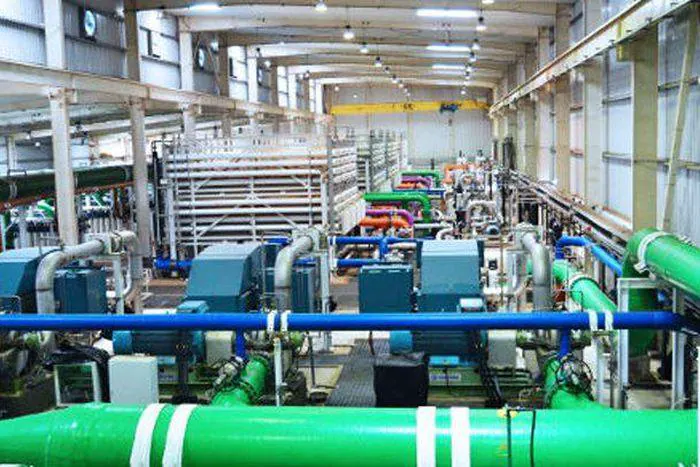
The Teshie Nungua desalination project was developed as a seawater reverse osmosis facility with a designed production capacity of 60,000 cubic metres of potable water each day. The project was structured under a build, own, operate and transfer arrangement. The Ministry of Finance’s 2024 Annual Report on Public Private Partnership Projects places the estimated project cost at approximately US$125 million and identifies the concession period as 25 years.
The facility was designed to serve an estimated population of approximately 500,000 people in Teshie, Nungua and surrounding communities. The World Bank Group’s Multilateral Investment Guarantee Agency described the project as a significant attempt to supplement Ghana’s conventional sources of treated water. Parliament subsequently considered and approved the relevant financing and guarantee arrangements, including a US$110 million Water Purchase Agreement.
The financial structure of the project incorporated capacity-related payments, meaning Ghana Water’s obligations were not determined solely by the volume of water ultimately delivered to consumers. The Ministry of Finance’s 2024 PPP report records that the facility had a total annual contracted capacity of 21.9 million cubic metres in 2024, while actual supply amounted to approximately 15.74 million cubic metres.
Earlier concerns about the financial structure had been raised publicly by the Public Utilities Regulatory Commission and the Public Utility Workers Union. The Union had called for a review of the arrangement, arguing that the financial obligations associated with the project were placing pressure on the state water utility. The government made payments relating to contingent liabilities arising from the project, including approximately US$16.1 million in 2024.
The US$235 million award relates principally to payments arising from the termination of the Water Purchase Agreement. Cox Infrastructure Group, which controls 95 per cent of Befesa Desalination Developments Ghana Limited, stated that the award is net of taxes and relates to termination payments. The Republic of Ghana is required to satisfy the obligations recognised in the awards, subject to provisions preventing double recovery.
The development has reopened questions about the structure of the original transaction, the financial obligations assumed by Ghana Water, and the decision to terminate the agreement. The arbitration awards have implications for the Republic of Ghana, as the project was backed by a state guarantee.
Key points
- Ghana faces a US$235 million liability after an arbitration tribunal ruled in favor of Befesa Desalination Developments Ghana Limited.
- The Teshie Nungua desalination project was designed to serve an estimated population of 500,000 people.
- The project was structured under a build, own, operate and transfer arrangement with a 25-year concession period.