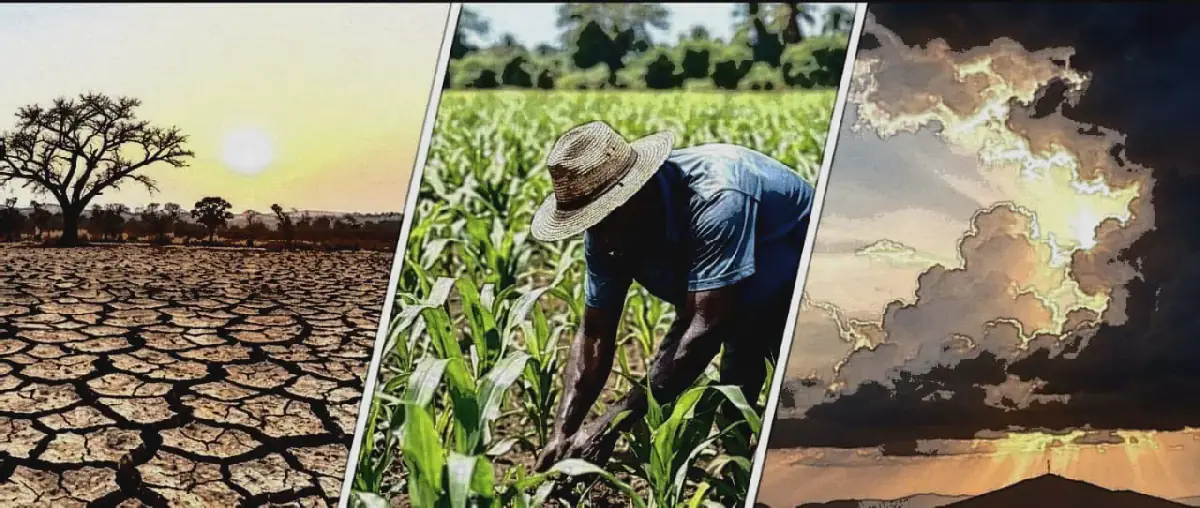
A severe heat wave has gripped parts of Ghana over the last couple of weeks, attributed to the climate phenomenon El Niño. The Ghana Meteorological Agency (GMet) defines El Niño as a naturally recurring pattern of warming and cooling of sea-surface temperatures in the central and eastern equatorial Pacific Ocean. This phenomenon usually occurs every two to seven years and can affect temperatures and rainfall worldwide, often contributing to higher temperatures, droughts, and floods.
According to GMet, Northern and Southern Ghana will experience varying effects from now into April 2027, with risks for agriculture and food security, rainfall patterns, and health, particularly meningitis cases. The agency's technical brief on October 27, 2026, noted that from November 2026 to April 2027, the main risks are a hotter and drier dry season in many areas, bushfires, water stress, and dust. Heat stress is likely to peak between February and April 2027, especially in the north.
The World Health Organisation (WHO) notes that hotter temperatures, extreme weather, water shortages, and changing rainfall patterns can contribute to the spread of disease, food insecurity, and other health challenges. To reduce health-related risks from the heatwaves and other El Niño effects, the WHO recommends staying hydrated by drinking water regularly, avoiding extreme heat, and using light and loose-fitting clothing.
The WHO also advises cleaning hands regularly, never leaving children or animals in parked vehicles for any amount of time, eliminating standing water around homes and in clogged gutters, and checking on vulnerable family members. These preventive tips can help mitigate the effects of El Niño on human health.
Ghana has previously experienced El Niño at least four times: in 1982/83, 1997/98, 2015/16, and the moderate 2023/24 event. The most recent event of El Niño effects was recorded during the torrential June 29 floods. GMet notes that Ghana's experience of past El Niño episodes shows the country's vulnerability to rainfall variability and associated impacts on agriculture, water resources, hydroelectric power generation, and public health.
The severity of these impacts has varied considerably between events and across the country, and some of the most damaging Ghanaian climate shocks have occurred outside of El Niño events. This highlights the need for preparedness and mitigation measures to reduce the effects of El Niño on the country's economy and human lives.
As the country prepares for the hotter and drier dry season, residents are advised to take necessary precautions to mitigate the effects of El Niño. By following the WHO's recommendations and staying informed about weather conditions, individuals can reduce their risk of exposure to extreme heat and other climate-related hazards.
Key points
- Ghana's Meteorological Agency warns of a hotter and drier dry season from November 2026 to April 2027 due to El Niño.
- The World Health Organisation recommends staying hydrated, avoiding extreme heat, and using light clothing to mitigate the effects of El Niño on human health.
- Ghana has previously experienced El Niño at least four times, with varying impacts on agriculture, water resources, and public health.
Reporting sources
- El Niño FACTSHEET | Extreme heat and dry spells in Ghana: All you need to know · FactSpace West Africa