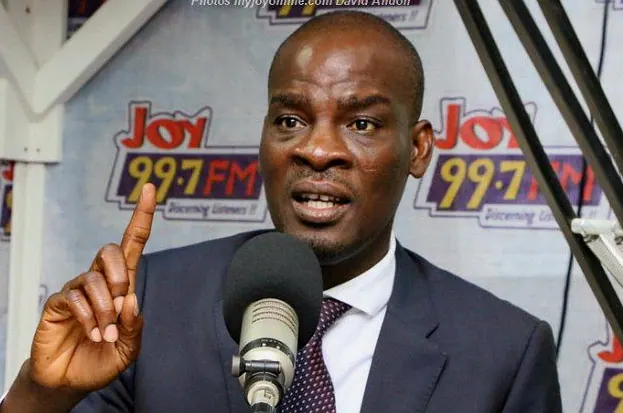
Ghana's Education Minister, Haruna Iddrisu, has raised concerns over a significant debt-service bill of approximately $6.1 billion that the country must pay between 2027 and 2029. This obligation, according to Iddrisu, stems from debt restructuring and Eurobond negotiations completed under the previous Akufo-Addo administration. The figure is based on an assessment by the International Monetary Fund (IMF), which points to substantial debt-service payments facing Ghana over the next three years.
The looming debt-service bill is a direct consequence of decisions taken during the Akufo-Addo government's debt restructuring exercise, which included both domestic bondholders and holders of Ghana's international Eurobonds. Iddrisu argued that the financial consequences of that borrowing and restructuring would continue to be felt well beyond the tenure of the government that negotiated it. The minister emphasized that the fiscal difficulties now confronting President John Dramani Mahama's government must be understood against the backdrop of debts it inherited rather than created.
The $6.1 billion figure comes against the backdrop of Ghana's ongoing Domestic Debt Exchange Programme (DDEP), a debt restructuring arrangement under which bondholders agreed to revised repayment terms on government debt. Since 2025, the government has already paid out GH¢41.36 billion to bondholders under the programme, including a GH¢10.8 billion payment made in August 2026. This significant outlay highlights the scale of Ghana's debt obligations and the challenges of managing its debt.
Iddrisu warned that the scale of the upcoming debt-service commitments could narrow the fiscal space available to the Mahama administration to finance infrastructure projects, invest in education, and carry out its wider development agenda. The minister questioned how much public revenue would be left for priorities such as new schools, roads, and hospitals once a significant share of government income is committed to servicing inherited debt.
For ordinary Ghanaians, the looming debt-service bill could mean slower progress on public projects and services that depend on government spending. A large chunk of national revenue would instead go toward repaying bondholders and Eurobond creditors. This could have far-reaching implications for the country's development trajectory and the delivery of essential public services.
The Domestic Debt Exchange Programme (DDEP) was the mechanism used by the Akufo-Addo government to restructure Ghana's domestic bonds by extending repayment periods and adjusting interest rates. This was part of a broader debt restructuring tied to the country's IMF-supported economic programme. Understanding the terms of the DDEP and the implications of the looming debt-service bill is crucial for grasping the challenges facing Ghana's economy.
The government has not disclosed a specific plan or timeline for managing the $6.1 billion in payments due between 2027 and 2029. However, Iddrisu emphasized that the government will need to balance debt servicing with continued investment in public services and growth-supporting measures. The coming months will likely see intense discussions on the country's economic management and the prioritization of public spending.
Key points
- The looming $6.1 billion debt-service bill could narrow Ghana's fiscal space for infrastructure projects and public services.
- The debt obligation stems from restructuring and Eurobond negotiations under the Akufo-Addo administration.
- The government has already paid GH¢41.36 billion to bondholders under the Domestic Debt Exchange Programme since 2025.