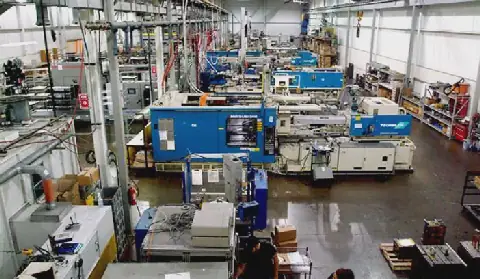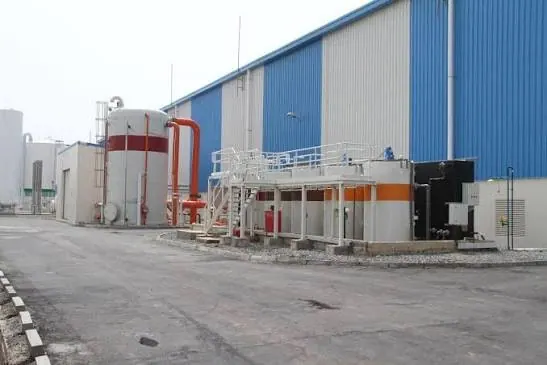
Ghana is facing a significant financial liability of $235 million over the Teshie-Nungua Desalination Plant, which was built to provide regular water supply to communities such as Teshie, Nungua, Spintex, Baatsona, and Sakumono. The plant, which cost about $126 million to build, was commissioned in 2015 with a capacity to produce 60,000 cubic meters of water daily for approximately 500,000 people. However, the facility has been shut down since October 2025 amid disputes over maintenance and contract issues.
The dispute over the plant began with a disagreement over the Water Purchase Agreement, under which Ghana Water Company was required to buy treated water from the plant. The Ghanaian project company, Befesa Desalination Developments Ghana Limited (BDDG), took the matter to international arbitration in October 2024. The International Chamber of Commerce (ICC) arbitration tribunal issued awards ordering Ghana Water Limited to pay $235 million to BDDG, making the Republic of Ghana liable under a state guarantee attached to the project.
One of the major difficulties with the project is the cost of the water. Ghana Water Company bought desalinated water at about GH¢6.75 per unit, while the approved tariff allowed the utility provider to sell the water at GH¢1.47. This created a large gap between the cost of production and the sales price. Additionally, Ghana Water Company was required to pay a monthly capacity charge of about $1.4 million, whether or not the plant operated at full capacity.
Records show that in 2024, Ghana Water paid $16.92 million, and government support between 2020 and 2024 totaled $57.38 million. The plant also faced operational problems, including heavy rains in May 2024 that left the facility inoperable, and a subsequent survey that identified structural defects and inadequate bracing. Ghana Water attributed the condition of the facility to poor maintenance and neglect.
The project started with an unsolicited proposal from Befesa Ghana Limited in 2010, and the contract was signed in February 2011. Parliament later approved the water purchase agreement, a government guarantee, and tax and duty exemptions. The agreement was structured to allow the private company to finance and operate the plant for 25 years before handing it over to the state.
Concerns were raised even before the plant began operating, with Parliament's committees noting that the proposed water tariff was not considered competitive, and questions were also raised about the experience and financial history of the Ghanaian company involved in the project. Efforts to resolve the problems continued for several years, and in February 2026, President John Mahama directed the Finance Minister, Attorney-General, and Ghana Water to negotiate with the plant's shareholders.
Despite efforts to resolve the issues, the plant remains shut, and Ghana is now facing a significant financial liability. The government had earlier indicated that it was working towards an agreement that would allow the plant to resume operations, but the arbitration tribunal's award has added to the country's financial burden. The idle plant has left communities without regular water supply, and the government is yet to find a solution to the problem.
Key points
- Ghana faces a $235 million financial liability over the idle Teshie-Nungua desalination plant.
- The plant was shut down in October 2025 amid disputes over maintenance and contract issues.
- The government had earlier indicated that it was working towards an agreement that would allow the plant to resume operations.