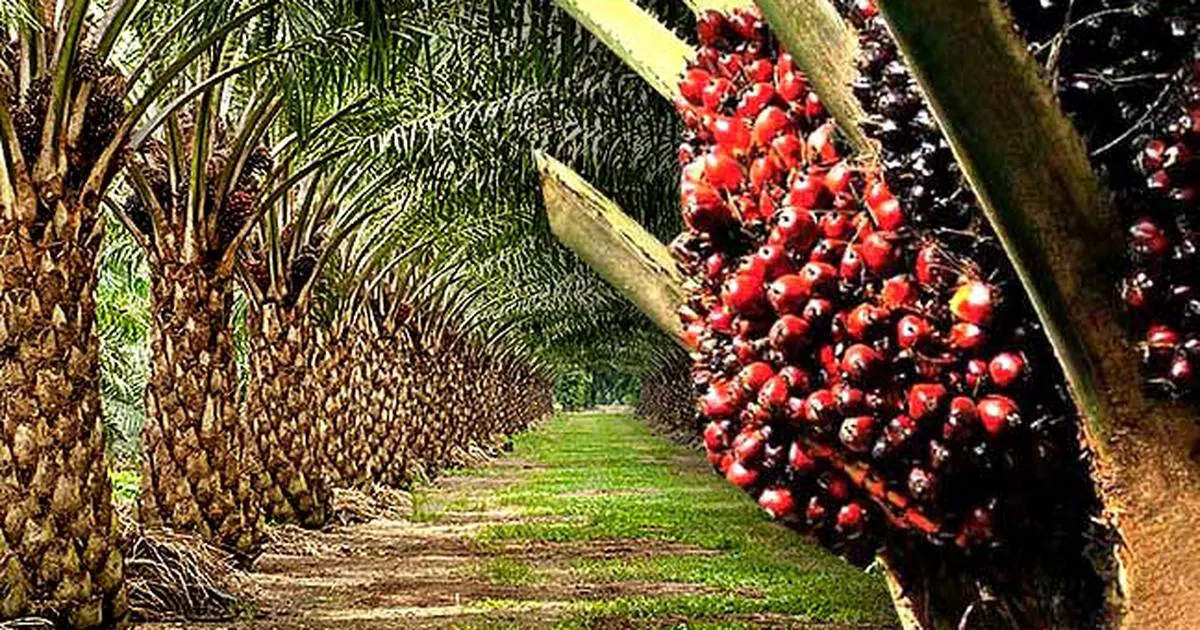
Ghana's palm oil industry is facing a significant deficit, with the country's annual crude palm oil production falling short of domestic demand by an estimated 150,000 metric tonnes. According to the President of the Oil Palm Development Association of Ghana (OPDAG), Paul Kwabena Amaning, the country produces approximately 250,000 metric tonnes annually, compared with a demand of about 400,000 metric tonnes.
The deficit presents an opportunity for increased domestic output, upgraded processing operations, and making the industry more competitive. Mr Amaning made these remarks at a one-day workshop for stakeholders in the oil palm sector, which examined financing and the role of digital financial services across the oil palm value chain. The workshop brought together various stakeholders to discuss the challenges and opportunities in the industry.
Ghana has an estimated 360,000 hectares under oil palm cultivation, supporting approximately 631,000 people. The industry is a significant contributor to the country's economy and employment. However, the sector faces several challenges, including limited access to finance, modern machinery, and formal business support, particularly for smallholder farmers, aggregators, and artisanal processors.
To address these challenges, Mr Amaning proposed a US$500 million financing plan for oil palm development, which could help tackle barriers to growth. However, he emphasized the need for funding arrangements to accommodate smallholder farmers, aggregators, and artisanal processors. These small operators play a crucial role in palm oil production, rural employment, and economic activity.
The OPDAG President also called for greater use of digital financial services to facilitate payments and improve business operations among farmers, processors, traders, transporters, and exporters. Digital financial services can help improve payment security, strengthen record-keeping, increase transparency, and create opportunities for businesses to access savings, credit, insurance, and other financial products.
Mr Amaning stressed that successful digitalization would require more than transferring payments to mobile platforms. Reliable connectivity, reasonable transaction fees, accessible payment agents, and systems that work across different platforms would be essential. Consumer protection and practical training would also help users build confidence in digital services.
The development of a traceability and revenue assurance system in the sector is also seen as a potential means of improving industry records and supporting access to finance. Mr Amaning called for closer cooperation among government agencies, banks, financial technology companies, mobile network operators, mills, buyers, and industry associations to ensure that policies and financial solutions are effective and reflect the needs of farmers, processors, and other industry participants.
Key points
- Ghana's annual crude palm oil production is approximately 250,000 metric tonnes, short of the 400,000 metric tonnes demanded.
- The proposed US$500 million financing for oil palm development could help tackle barriers to growth in the sector.
- Digital financial services can improve payment security, strengthen record-keeping, and increase transparency in the oil palm industry.