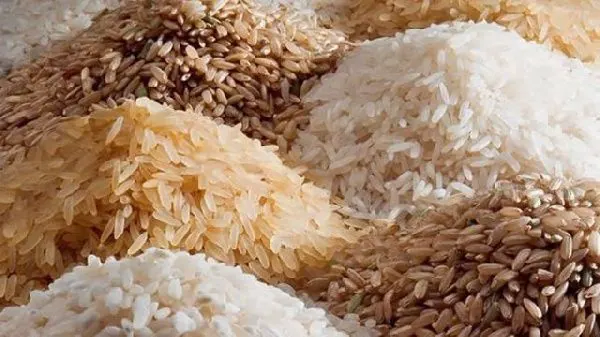
The Ministry of Finance in Ghana recently hosted a high-level stakeholder meeting to discuss possible interventions to boost the country's rice industry. The meeting brought together policymakers, agricultural experts, and industry players to address the persistent challenges facing Ghana's rice sector. These challenges include low local consumption, limited market access for farmers and processors, and the country's heavy dependence on imported rice. The meeting was attended by representatives from the Ministry of Finance, the Ministry of Food and Agriculture (MoFA), the Ministry of Trade, and key private-sector stakeholders.
Ghana spends significant amounts of foreign exchange annually on rice imports, while local farmers and processors continue to face difficulties competing with imported products. The challenges facing local producers include high production costs, limited processing capacity, branding and packaging issues, financing constraints, and consumer preferences. To address these challenges, MoFA proposed a policy option that would require rice importers to demonstrate the purchase of a percentage of locally produced rice before being permitted to import rice. This proposal aims to create a guaranteed market for local producers and stimulate investment across the rice value chain.
Supporters of the proposal argue that a quota system could increase rural employment, reduce pressure on foreign exchange reserves, and stimulate investment in the rice sector. However, some industry players have raised concerns about the proposal, arguing that additional consultations are needed to assess its potential impact on trade, pricing, supply chains, and market competitiveness. The discussions ended without a final agreement, with stakeholders expected to submit policy recommendations for further deliberation.
The outcome of the ongoing consultations could shape the future of Ghana's rice industry and determine how the country balances the interests of farmers, processors, importers, and consumers. Agriculture experts say the debate presents an opportunity for Ghana to develop a balanced policy framework that strengthens local rice production while ensuring food security, market stability, and a predictable business environment. The country's focus should remain on practical measures such as increased investment in irrigation, improved seed varieties, mechanization, and processing facilities.
The Ministry of Food and Agriculture's proposal is part of a broader effort to increase local rice production and patronage. The government is seeking to reduce import dependence and support domestic agriculture. Many believe that strengthening the local rice industry could have positive impacts on the country's economy, including reducing pressure on foreign exchange reserves and increasing rural employment.
The stakeholder meeting was part of the preparations for the 2027 Budget Statement. The Minister for Finance will consider the policy recommendations submitted by stakeholders for possible inclusion in the budget. The government's commitment to supporting the local rice industry is seen as a key step towards achieving food security and self-sufficiency in rice production.
As the country seeks to balance the interests of various stakeholders, the focus remains on developing a policy framework that supports local rice production while ensuring food security and market stability. The ongoing consultations are expected to lead to a more sustainable and equitable rice industry in Ghana.
Key points
- The Ghanaian government is exploring policy options to boost the local rice industry, including a proposal to require rice importers to purchase a percentage of locally produced rice.
- The country's rice sector faces significant challenges, including low local consumption, limited market access, and heavy dependence on imported rice.
- The outcome of the ongoing consultations could shape the future of Ghana's rice industry and determine how the country balances the interests of farmers, processors, importers, and consumers.