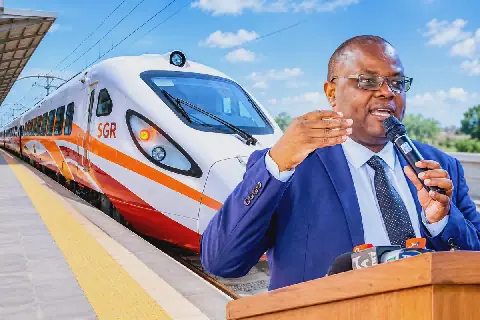
The government of Ghana is exploring the introduction of a light rail transportation network in Accra, the capital city, to provide a lasting solution to the city's worsening traffic congestion and growing public transportation demands. This move is part of efforts to improve the movement of passengers within the capital and its surrounding communities. The proposed light rail infrastructure is being considered as a more sustainable and long-term mass transportation alternative.
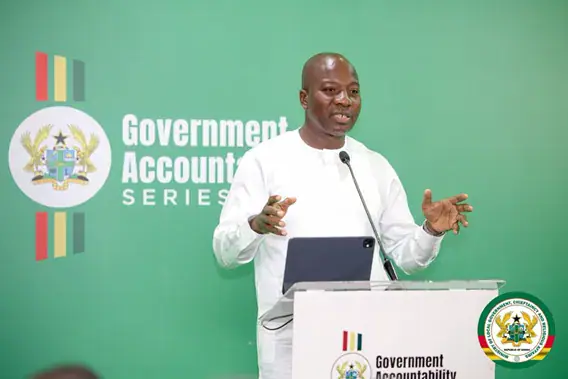
The Minister for Local Government, Chieftaincy and Religious Affairs, Mahama Ayariga, disclosed that President John Dramani Mahama had instructed him to commence consultations on the feasibility of establishing light rail services along four principal corridors that accommodate substantial numbers of commuters travelling into and out of the capital. These corridors are critical in connecting the city to its surrounding communities and major commercial districts.
The proposed railway infrastructure aims to complement the existing Aayalolo bus contra-flow arrangement, which permits designated buses to operate against the regular direction of traffic along selected routes to ease congestion and shorten travelling times. While the contra-flow arrangement has contributed considerably to reducing commuting delays, the President is interested in pursuing a more permanent transportation intervention capable of addressing Accra's future mobility requirements.
The Aayalolo contra-flow arrangement was introduced to enhance the efficiency of public transportation along some of Accra's busiest road networks, particularly during peak commuting hours. The arrangement allows selected buses to utilise designated lanes in the opposite direction of conventional traffic movement, enabling them to avoid certain congestion points and transport passengers more efficiently. However, the existing system continues to rely heavily on available road infrastructure and efficient traffic supervision.
The proposed light rail development represents an additional transportation option the government intends to examine as it seeks to address Accra's expanding commuter population and reduce pressure on major road networks. The government believes that the light rail network will improve the accessibility, dependability, and effectiveness of public transportation, especially for residents travelling from surrounding communities into major commercial districts and employment centres within the capital.
Although the initiative remains at the feasibility and consultation stage, its eventual implementation would depend on the outcome of discussions with the relevant railway authorities and the government's assessment of the infrastructure and investment requirements. The Minister has commenced conversations with the Railway Authority to examine the prospects of developing light rail infrastructure along the four major transportation corridors.
The government is optimistic that the proposed light rail network will provide a more sustainable solution to Accra's traffic congestion and growing public transportation demands. The project is expected to be a game-changer in improving the city's transportation system and enhancing the overall quality of life for its residents.
Key points
- The Ghanaian government is exploring a light rail network along four major routes in Accra to address traffic congestion.
- The proposed light rail infrastructure aims to complement the existing Aayalolo bus contra-flow arrangement.
- The project is at the feasibility stage, with consultations ongoing with the Railway Authority.