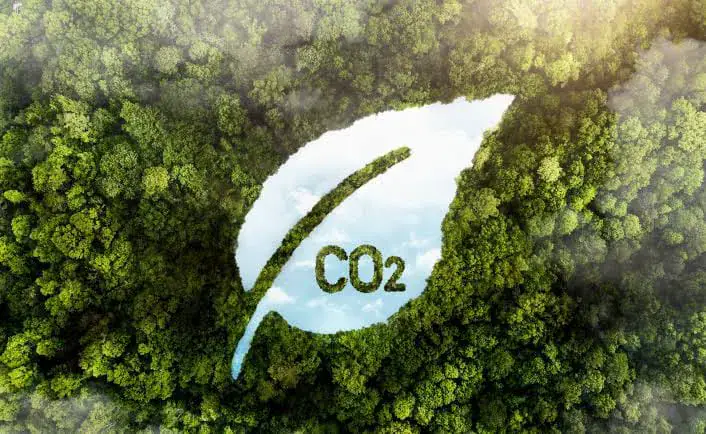
Global leaders and climate negotiators at COP31 in Antalya, Türkiye, are focusing on financing climate action through carbon credits. Under Article 6 of the Paris Agreement, countries can trade emission reductions and removals through international carbon markets. A carbon credit represents one metric tonne of carbon dioxide equivalent reduced, avoided or removed from the atmosphere. This mechanism allows countries like Ghana to turn environmental initiatives into revenue.
Ghana has established a Carbon Market Office and a framework to regulate carbon market activities and international transactions. The Jospong Group’s Integrated Recycling and Compost Plants is an example of the country’s involvement in the market. The company secured a bilateral agreement with the Swiss Government at COP28, with carbon credit transactions estimated to be worth US$20 million by 2030. This showcases Ghana’s potential to earn revenue through carbon credit transactions.
Ghana is generating carbon credits through various initiatives, including forest conservation and waste management. The Ghana Cocoa Forest REDD+ Programme is one such example, demonstrating the country’s commitment to reducing greenhouse gas emissions. By protecting its forests, converting organic waste into compost, and replacing diesel generators with solar power, Ghana can reduce emissions and generate carbon credits.
The carbon market presents several potential opportunities for Ghana’s developing economy. Carbon credit transactions could provide a source of foreign revenue and attract investment without increasing public debt. Additionally, investment in reforestation, waste sorting, recycling, and renewable energy could create jobs for young people in communities involved in environmental protection and sustainable resource management.
The carbon market could also support Ghana’s energy transition and help create cleaner cities. Revenue from carbon credits could support solar energy and clean cooking initiatives, helping households and businesses adopt cleaner energy sources. Furthermore, carbon finance could provide additional incentives for improved municipal waste management, including recycling and composting.
Despite the opportunities, carbon market experts have cautioned that Ghana must establish strong safeguards to ensure that benefits are properly managed and shared. Transparency, independent verification, and clear benefit-sharing arrangements are essential to preventing greenwashing and ensuring that Ghana’s environmental initiatives translate into tangible benefits for its citizens.
As Ghana continues to explore the carbon market, the country must balance the potential benefits with the need for accountability and transparency. By doing so, Ghana can harness the potential of carbon credits to create jobs, build cleaner cities, and support its sustainable development goals. The Ghana Broadcasting Corporation will continue to monitor developments in this area and provide updates on Ghana’s progress in the carbon market.
Key points
- Ghana can earn revenue by undertaking activities that reduce or remove greenhouse gas emissions and selling the resulting verified credits.
- The carbon market presents several potential opportunities for Ghana’s developing economy, including revenue generation, job creation, and cleaner cities.
- Transparency, independent verification, and clear benefit-sharing arrangements are essential to preventing greenwashing and ensuring that Ghana’s environmental initiatives translate into tangible benefits for its citizens.
Reporting sources
- Antalya: The carbon market and issuance of carbon credits – how Ghana can benefit · Ghana Broadcasting Corporation