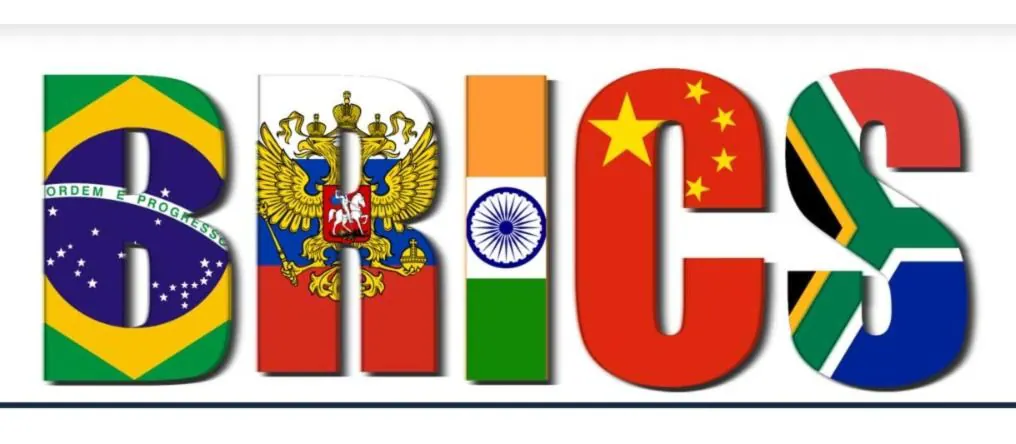
On October 6, 2026, Ghana's Foreign Affairs Minister, Samuel Okudzeto Ablakwa, announced that President Mahama's Cabinet has decided to pursue membership in the BRICS economic bloc. This decision was made during a visit by India's External Affairs Minister, Subrahmanyam Jaishankar. Ablakwa emphasized that Ghana aims to diversify its international partnerships, not abandon its traditional relationships. He cited existing cooperation with non-Western institutions, such as Afreximbank, which provided approximately $700 million in support during the 2023-2024 crisis.
Ghana's trade relationships with BRICS member countries are already significant. In 2025, four BRICS nations - the UAE, India, South Africa, and China - accounted for around 57% of Ghana's export earnings, according to data from the Ghana Statistical Service. Membership in BRICS would formalize these existing trade patterns rather than redirecting Ghana's trade. The bloc offers various financial tools, including the New Development Bank (NDB), which accepts members beyond BRICS, and cedi-yuan settlement arrangements already being piloted by Stanbic Bank Ghana.
The timing of Ghana's application is strategic, considering its current economic situation and international partnerships. The IMF completed its sixth review of Ghana's Extended Credit Facility in July 2026, allowing the country to transition to a Policy Coordination Instrument with IMF monitoring. Ghana's economy has shown signs of stabilization, with inflation decreasing and reserves nearly doubling by 2025. However, the country faces risks related to sequencing, particularly with AGOA access expiring on December 31, 2026, and an unfinished bespoke US trade deal.
BRICS is a diverse and sometimes divided club, comprising members like Iran, Russia, and the UAE. Recent summits have addressed disagreements among member countries. Ghana would be the first West African nation to join BRICS, offering a unique perspective to the bloc. The country's application will require consideration by existing members, and the category of membership Ghana will seek remains unclear.
A staged approach to BRICS membership appears to be a more viable strategy for Ghana. Partner status, NDB membership, and payment corridors could provide much of the benefits while keeping full membership as an option. This approach would allow Ghana to test the waters before making a full commitment. The Minority in Parliament has demanded an urgent briefing on the government's plans, highlighting the need for transparency in the decision-making process.
Ghana's relationship with India, the current BRICS chair for 2026, has been strengthened through recent agreements. Two memoranda of understanding were signed in agriculture and science and technology, with further cooperation expected in areas like railways, pharmaceuticals, ICT, and defense. India has become a significant buyer of Ghanaian gold, with President Mahama reporting a substantial increase in exports to India.
As Ghana moves forward with its BRICS application, several questions remain unanswered. The date of the formal application, the category of membership Ghana will seek, and the response from other BRICS members are still unknown. The government's cost-benefit analysis and long-term strategy for BRICS membership also require clarification. Key points include Ghana's intention to diversify its international partnerships, the potential benefits and risks of BRICS membership, and the need for a staged approach to maximize benefits while minimizing costs.
Key points
- Ghana's Cabinet has decided to apply for BRICS membership to diversify its international partnerships and strengthen economic ties with member countries.
- The country's existing trade relationships with BRICS nations, particularly the UAE, India, South Africa, and China, account for a significant portion of its export earnings.
- A staged approach to BRICS membership, including partner status and NDB membership, may provide Ghana with a more viable strategy for maximizing benefits while minimizing costs.