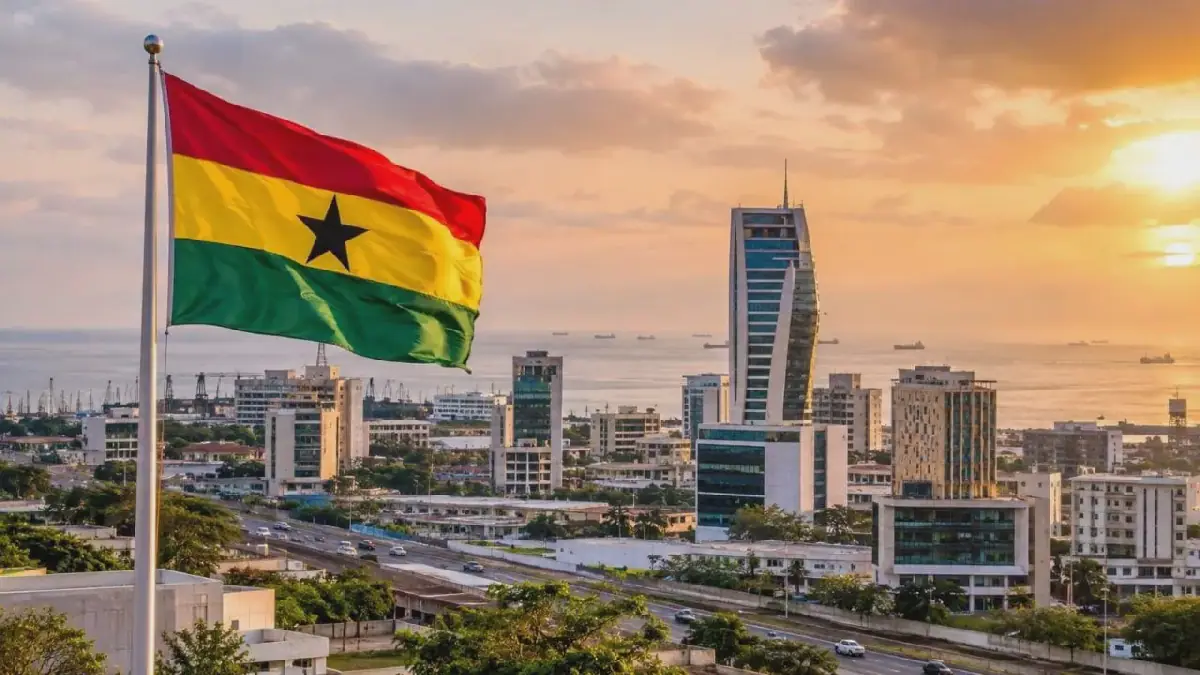
Ghana is shifting its economic strategy to align with that of the Alliance of Sahel States (AES), which includes Mali, Burkina Faso, and Niger. Under President John Dramani Mahama, the country is implementing measures to increase state control over its natural resources, particularly in the mining sector. This move marks a departure from Ghana's long-standing liberal economic policies. The new approach involves greater state participation in mining activities and a focus on local processing of minerals.
A key aspect of Ghana's new strategy is the creation of the Ghana Gold Board (GoldBod) in 2025, which regulates the artisanal gold sector. This sector generates $10.8 billion in exports annually. In March 2026, Ghana introduced progressive royalties of up to 12% on gold and lithium. Furthermore, GoldBod now requires aggregators to refine gold locally before exporting it, with the goal of banning the export of raw minerals by 2030. This policy shift aims to maximize economic benefits from Ghana's natural resources.
Ghana's move towards economic sovereignty is not limited to the mining sector. The country has also been working on a new economic plan, dubbed "New Economy," worth $10 billion, which will run from 2027 to 2030. This plan focuses on industrializing Ghana's resources and building up its gold reserves. The strategy is designed to reduce the country's reliance on external aid and promote economic self-sufficiency.
In addition to its economic reforms, Ghana has been taking steps to strengthen its diplomatic ties, particularly with its neighbors. In January 2025, Ghana appointed Larry Gbevlo-Lartey as a special envoy to the AES. Later, in August 2026, Ghana proposed a regional security pact, indicating its desire to engage more closely with its West African counterparts. These moves suggest a shift towards a more pragmatic and cooperative foreign policy.
Ghana's adoption of economic sovereignty measures has implications for the region. The country's decision to emulate the AES's policies may signal a broader trend towards more state-led economic development in West Africa. This shift could have significant consequences for the region's economic and political landscape, potentially leading to greater economic integration and cooperation among West African states.
Despite its move towards economic sovereignty, Ghana has maintained its partnerships with Western countries. The country recently exited an IMF loan program on July 27, 2026, and is now focusing on implementing its "New Economy" plan. Ghana's approach suggests that it is seeking to balance its desire for economic independence with the need to maintain strong relationships with its international partners.
The convergence of Ghana's policies with those of the AES highlights the growing influence of the Sahel states' economic model. This model emphasizes state control over natural resources, local processing, and diplomatic pragmatism. As Ghana continues to implement its new economic strategy, it will be interesting to see how this approach affects the country's economic development and its relationships with other West African states.
Key points
- Ghana introduces progressive royalties of up to 12% on gold and lithium as part of its economic sovereignty measures.