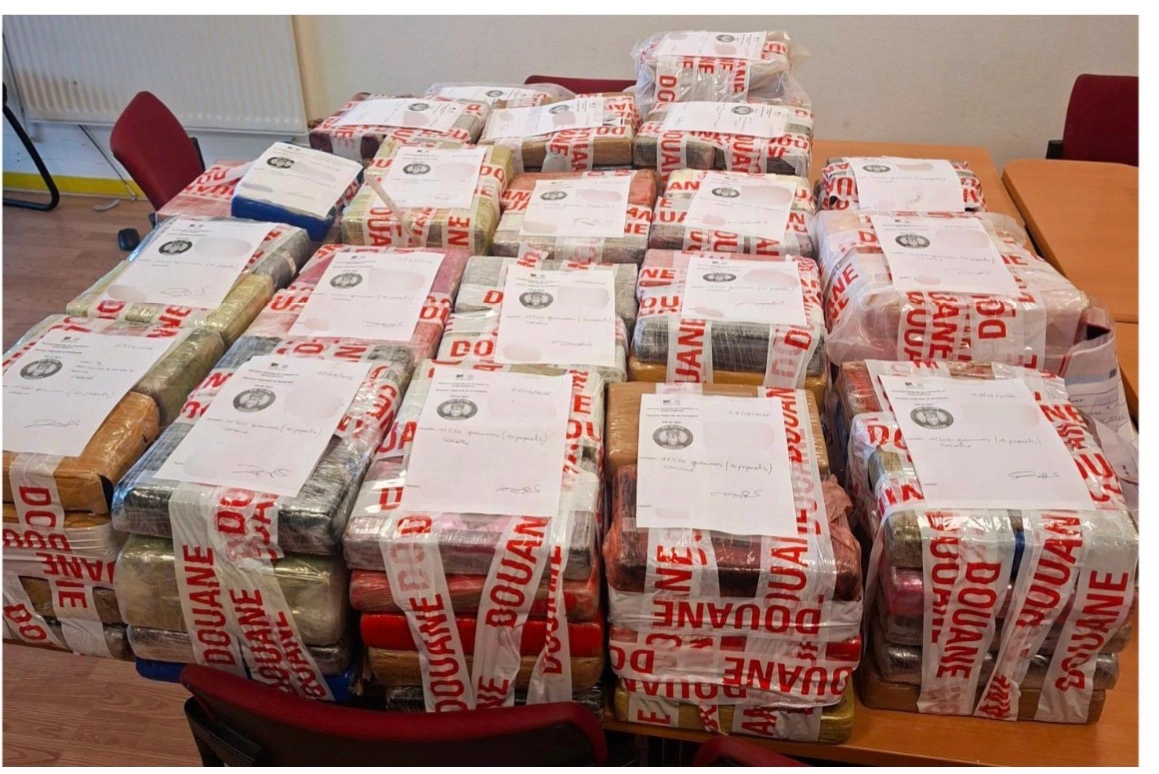
Ghana has emerged as a significant player in the global heroin trade, with the 2025 Global Organized Crime Index revealing that the country is both a transit and destination country for heroin trafficking. The report indicates that most of the heroin originates from Afghanistan and is often imported into Ghana by East African nationals. Some of the heroin is consumed locally, while the majority is repackaged and exported to the United States by Ghanaian nationals.
The report highlights the influential role of Ghanaian trafficking groups, who work in collaboration with their Nigerian counterparts, in expanding the global heroin trade and illicit drug markets across West Africa. Furthermore, the report raises concerns about the involvement of corrupt officials in facilitating the movement of heroin through Ghanaian seaports and airports. This has significant implications for the country's efforts to combat organized crime.
The 2025 Global Organized Crime Index also reveals that heroin distribution and consumption, historically concentrated in urban centers like Accra and Tema, have expanded to rural areas in northern Ghana. The report's assessment is part of a wider review of organized crime and illicit markets in Ghana. In the 2025 Index, Ghana scored 5.50 for the heroin trade, with an overall criminality score of 5.77 and a criminal markets score of 6.03.
In addition to heroin, Ghanaian organized crime groups are also major participants in the global cocaine trade. The report notes that Brazil remains the primary source of cocaine imported by sea into Ghana, with consignments often concealed in sugar containers and transported through trans-shipment points like Spain or Turkey. The main entry point for cocaine is the Tema Port, while the Takoradi Port is also used, albeit to a lesser extent.
The report also highlights a decline in cocaine seizures and media coverage of the trade, which law enforcement officials and civil society stakeholders attribute to political protection for illicit markets, particularly the cocaine trade, by sections of government. However, this claim is presented as an assessment from stakeholders rather than an established finding by the report. This development has significant implications for Ghana's efforts to combat organized crime.
Cannabis is another prominent feature of Ghana's illicit drug market, with the country described as a prominent cannabis cultivation area in Africa. The report notes that cultivation has expanded following Ghana's decision to permit cannabis for specified health and industrial purposes. However, part of the increase is attributed to a misunderstanding of the new legal regime. Cannabis seizures have risen, accounting for the bulk of drug interdictions in Ghana.
The report also identifies significant synthetic drug markets in Ghana, with Tramadol abuse and trafficking a concern. The drug is mainly imported from India, and although its use is reportedly declining, the illegal trade has been associated with increased violence. Furthermore, precursor chemicals intended for legitimate purposes are being diverted to criminal networks, highlighting the need for greater vigilance and cooperation to combat organized crime.
Key points
- Ghana has emerged as a major transit and destination country for heroin trafficking, with most of the drug originating from Afghanistan.
- The country's heroin trade is dominated by Ghanaian and Nigerian trafficking groups, who often work in collaboration with corrupt officials.
- Ghana's illicit drug market also features prominently in the global cannabis and synthetic drug trades, with significant implications for the country's efforts to combat organized crime.